
Iran Ceasefire Creates Opportunities in Tech Stocks for Investors
- Authors

- Name
- MarketVibe Team
- @1marketvibe
Iran Ceasefire Creates Opportunities in Tech Stocks for Investors
Breaking News: On April 8, 2026, a significant ceasefire agreement between Iran and the United States was announced, marking a pivotal moment in the ongoing geopolitical tensions. This development has already sent ripples through global markets, particularly impacting the tech sector in the U.S.
What Happened
The ceasefire, brokered after months of escalating tensions, was confirmed by both Iranian and U.S. officials early this morning. The agreement aims to halt hostilities and open diplomatic channels for further negotiations. This announcement has led to immediate reactions in the financial markets, with U.S. tech stocks experiencing a notable boost. Goldman Sachs has identified this as a "generational buying opportunity" for tech investors.
Why It Matters
For investors, the immediate impact is a surge in market optimism, particularly within the tech industry. The ceasefire alleviates some geopolitical risks that have been weighing on investor sentiment, potentially paving the way for increased investment and innovation in the tech sector. MarketVibe's CW Index ticked up to 6.6 following the announcement, indicating a shift towards positive market sentiment. However, while the ceasefire offers temporary relief, the long-term stability of markets remains uncertain, necessitating cautious optimism.
Context & Background
Historically, geopolitical tensions between Iran and the U.S. have led to significant market volatility, particularly affecting energy prices and sectors reliant on stable international relations. The current ceasefire follows a period of heightened tensions, characterized by military posturing and economic sanctions. Key stakeholders, including multinational corporations and energy-dependent industries, have been closely monitoring these developments.
What's Next
Investors should watch for upcoming diplomatic talks between Iran and the U.S., which could further influence market dynamics. Key events to monitor include scheduled negotiations set to begin in the coming weeks and any subsequent policy announcements. Potential scenarios range from a sustained peace leading to market stability, to renewed tensions that could disrupt current market relief.
Sector-Specific Impacts
- Energy Markets: Initial boosts were observed in energy markets, with European gas futures jumping 3% amid the ceasefire news. However, volatility remains a concern as markets adjust to the new geopolitical landscape.
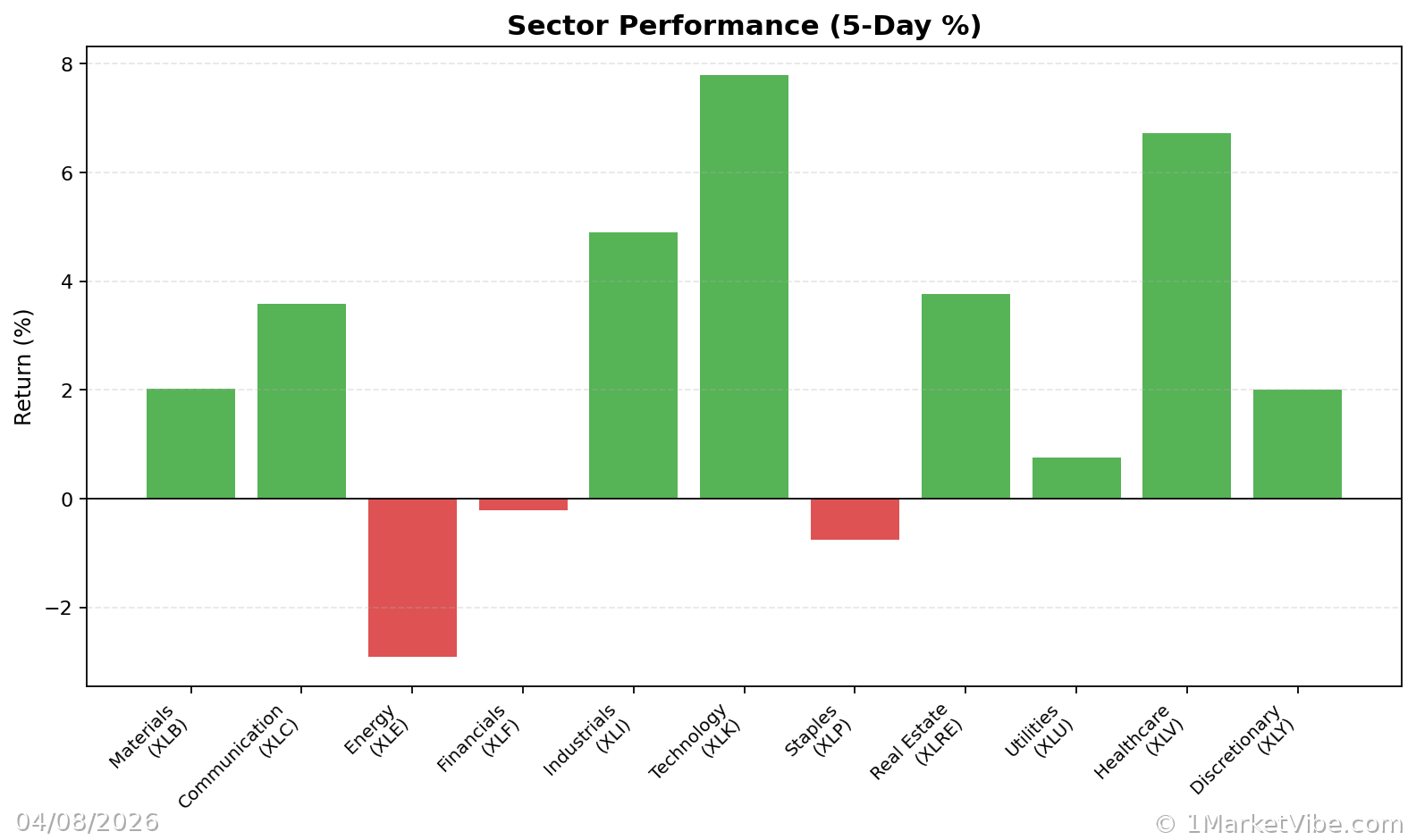
- Tech Stocks: The ceasefire has been particularly beneficial for U.S. tech stocks, which are seen as a safe haven amidst geopolitical uncertainty. This sector is poised for growth, driven by renewed investor confidence.
Long-Term Outlook
While the ceasefire provides a temporary reprieve, challenges to sustained market stability persist. Factors such as potential policy shifts, economic sanctions, and regional alliances could disrupt the current market relief. Investors are advised to remain vigilant and consider diversification strategies to mitigate risks.
Investor Strategies
For investors navigating this uncertain landscape, diversification and risk management are crucial. Monitoring position sizing based on CW Index levels and adjusting risk exposure in affected sectors can help manage potential volatility. Hedging strategies may also be considered if the CW Index continues to trend upwards.
Conclusion
The Iran ceasefire presents immediate opportunities for investors, particularly in the tech sector, while also highlighting the importance of cautious optimism given the uncertain long-term outlook. As the situation evolves, staying informed and adaptable will be key to navigating these complex market dynamics.
Monitor risk signals as this story develops at 1marketvibe.com.
Disclaimer: This article is for informational purposes only and does not constitute financial advice. Always consult with a financial advisor before making investment decisions.
Sources:
- MarketWatch
- NPR
- OilPrice.com
Charts