

Yen Reaches 40-Year Low: Market Implications and CW Index Analysis
- Authors

- Name
- MarketVibe Team
- @1marketvibe
Yen Reaches 40-Year Low: Market Implications and CW Index Analysis
The Japanese yen has recently reached a 40-year low, a significant development in the global currency markets. This event is not just a headline; it has profound implications for traders and investors worldwide. In this article, we will explore the market implications of this currency movement and analyze it through the lens of MarketVibe's Crash Warning Index (CWI). Understanding these dynamics can help traders make more informed decisions and manage risk effectively.
Market Context
The yen's decline past ¥162 against the U.S. dollar marks a critical point in the currency's history. This movement is influenced by several factors, including the Federal Reserve's hawkish monetary policy stance, which has strengthened the dollar and put pressure on other currencies. The yen's weakness reflects broader trends in the currency market, where interest rate differentials and economic outlooks are driving significant shifts.
Influence of Federal Reserve Policies
The Federal Reserve's decision to maintain higher interest rates has made the U.S. dollar more attractive to investors seeking yield, thereby exerting downward pressure on the yen. This policy divergence between the U.S. and Japan, where interest rates remain low, has widened the gap, contributing to the yen's depreciation.
Global Market Reactions
The yen's decline has ripple effects across global markets. A weaker yen can impact Japanese exports, making them more competitive abroad, but it also raises the cost of imports, potentially fueling inflation. For global investors, this currency shift can influence portfolio allocations, particularly in sectors sensitive to exchange rate movements.
Responses from Major Financial Markets
Financial markets have reacted to the yen's weakness with increased volatility. Equity markets in Japan may benefit from improved export competitiveness, while bond markets could face challenges due to inflationary pressures. Investors globally are reassessing their positions in light of these changes, with potential adjustments in risk exposure and hedging strategies.
Investor Sentiment
Current sentiment analysis indicates a cautious approach among investors regarding the yen's decline. While some see opportunities in Japanese equities, others are wary of the inflationary impact and potential policy responses from the Bank of Japan. This mixed sentiment reflects the complexity of the current economic landscape.
Implications for Risk Appetite
The yen's decline can affect risk appetite among investors, particularly those with exposure to Japanese assets. A weaker yen may lead to increased volatility, prompting investors to reassess their risk management strategies. Understanding these dynamics is crucial for maintaining a balanced portfolio.
Economic Indicators
The yen's value is closely tied to Japan's economic health. Key indicators to monitor include inflation rates, trade balances, and central bank policies. These factors will influence the yen's trajectory and provide insights into broader economic trends.
Connection to the Crash Warning Index (CWI)
The CWI, a composite metric that assesses various risk dimensions such as breadth, volatility, and defensive behavior, currently reads 5.3. This level suggests elevated risk conditions, aligning with the yen's recent movements. The CWI's ability to provide early warnings, typically 4-6 weeks in advance, highlights the predictive power of this index in anticipating market shifts.
Forecasting Trends
The CWI's current reading indicates that traders should be vigilant about potential market corrections. A CWI above 6 often signals heightened risk, where corrections become more likely. As the yen continues to weaken, monitoring the CWI can provide valuable insights into market dynamics and help traders adjust their strategies accordingly.
Potential Scenarios Based on Current Trends
Topping Environment: If the yen's decline continues, we might see a scenario where breadth deteriorates even as equity indices remain elevated. In this case, the CWI would likely rise, signaling increased risk.
Volatility Spike: A sudden increase in market volatility could occur if the yen's weakness leads to inflationary pressures and policy shifts. This would be reflected in a higher ATR% and a rising CWI.
Bull Leg Strengthening: Conversely, if the yen's decline boosts Japanese exports significantly, we could see a strong new bull leg in Japanese equities, with % Above 50-DMA surging.
How to Use This Insight in a Process
To effectively incorporate these insights into your trading process, consider the following guidelines:
- Emphasize Defense: When breadth is weak and the CWI is high, focus on defensive strategies and reduce new risk exposure.
- Broaden Exposure: If breadth and leadership improve, consider adding exposure, but ensure your setups align with market conditions.
- Use the Market Dashboard: Leverage MarketVibe's Decision Edge dashboard to get a high-level view of market regimes and confirm with internal metrics.
Common Misuses & Misconceptions
Traders often misuse the CWI and related metrics by:
- Treating it as a Stand-Alone Signal: The CWI should guide risk posture, not serve as an entry signal.
- Ignoring Context: Always consider sector rotation and broader market trends.
- Overreacting to One-Day Changes: Focus on sustained trends rather than daily fluctuations.
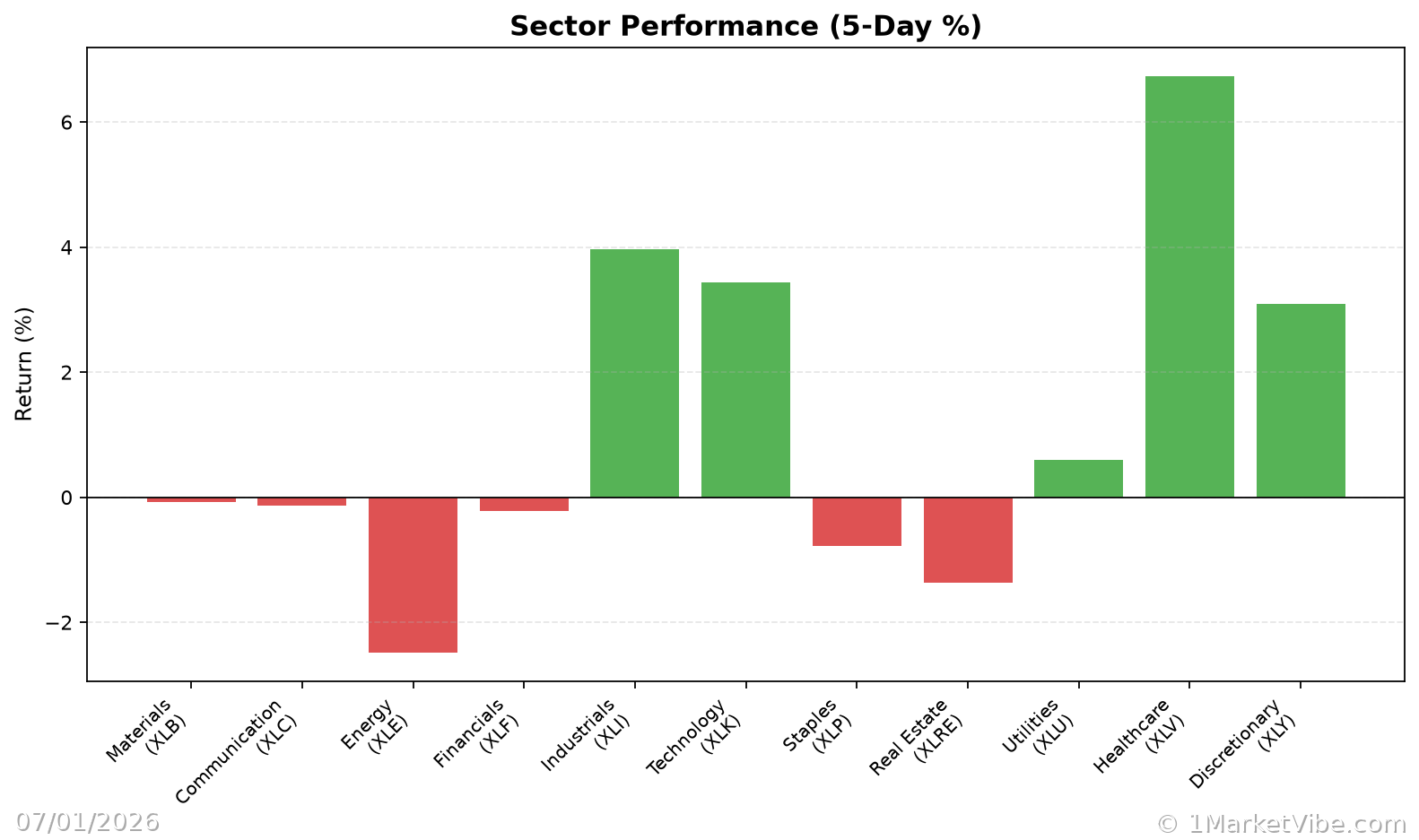
A healthier approach involves integrating these metrics into a comprehensive risk management strategy, considering both short-term signals and long-term trends.
To see these breadth and risk metrics in one place each day, you can use the Decision Edge dashboard at 1marketvibe.com.
Disclaimer: This article is for informational purposes only and does not constitute financial advice. Past performance is not indicative of future results. Always conduct your own research before making investment decisions.