
US Dollar Declines and the Implications of Yen Intervention on Market Stability
- Authors

- Name
- MarketVibe Team
- @1marketvibe
US Dollar Declines and the Implications of Yen Intervention on Market Stability
Introduction
In recent weeks, the US Dollar has experienced a notable decline, coinciding with Japan's intervention in the currency markets to stabilize the Yen. This development has significant implications for global market stability and investor strategies. Understanding the dynamics at play and how they relate to key MarketVibe metrics can help traders navigate these turbulent waters more effectively.
Impact of Yen Intervention
Japan's intervention in the currency markets typically involves selling US Dollars to buy Yen, aiming to strengthen the Yen against the Dollar. Such actions can lead to immediate fluctuations in currency values, impacting global trade and investment flows. Historically, these interventions have had mixed success, sometimes stabilizing the Yen temporarily but often leading to increased volatility in the short term.
Market Reactions
Investor sentiment can shift rapidly following currency interventions. In this case, the decline in the US Dollar has coincided with a rally in stock futures and a positive outlook on key earnings reports. This suggests a complex interplay between currency movements and broader market trends, where investors may perceive opportunities in equities despite currency instability.
CW Index Insights
The Crash Warning Index (CWI) is a valuable tool for understanding the broader risk environment. Currently reading at 4.8, the CWI suggests an elevated risk level, though not at extreme levels that would indicate an imminent market correction. The CWI is a composite measure that considers factors such as market breadth, volatility, and defensive behavior, providing a 4-6 week early warning capability. In the context of the Yen intervention, the CWI can help traders assess whether the current market environment warrants a more defensive posture.
Potential Risks
Currency interventions carry inherent risks, including the potential for increased market volatility and unintended economic consequences. For the US Dollar, prolonged weakness could lead to inflationary pressures and impact the competitiveness of US exports. Globally, such interventions can disrupt trade balances and lead to retaliatory measures, further complicating the economic landscape.
Investor Strategies
In light of these developments, investors should consider several strategies to navigate currency fluctuations:
Monitor Position Sizing: Adjusting position sizes based on the CWI and other MarketVibe metrics can help manage risk. A CWI reading near 5 suggests caution, potentially reducing exposure to high-risk assets.
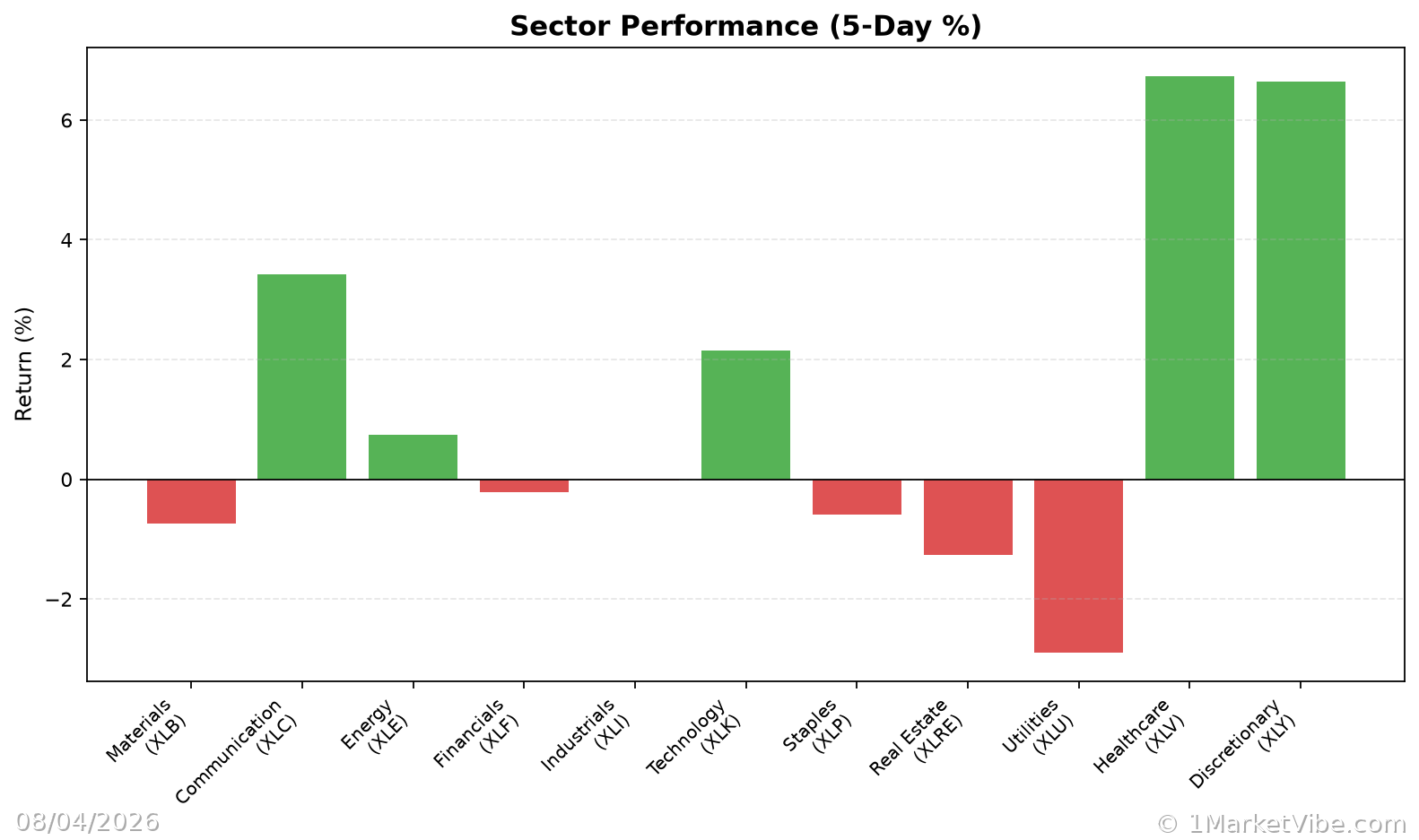
Adjust Risk Exposure: With the US Dollar declining, sectors sensitive to currency movements, such as technology and consumer goods, may experience increased volatility. Investors might consider reallocating to sectors with more stable outlooks or those benefiting from a weaker Dollar.
Consider Hedging Strategies: If the CWI continues to trend higher, indicating increased risk, hedging strategies such as options or currency futures could provide protection against adverse market movements.
Conclusion
The recent decline in the US Dollar, driven by Yen intervention, highlights the interconnectedness of global markets and the importance of monitoring key risk indicators. By leveraging tools like the CWI and understanding the broader market context, traders can make more informed decisions and better navigate periods of uncertainty. To see these breadth and risk metrics in one place each day, you can use the Decision Edge dashboard at 1marketvibe.com.
Disclaimer: This article is for informational purposes only and does not constitute financial advice. Please consult with a financial advisor before making any investment decisions.
Charts