

U.S.-Iran Peace Plan and Its Impact on Stocks for Investors
- Authors

- Name
- MarketVibe Team
- @1marketvibe
U.S.-Iran Peace Plan and Its Impact on Stocks for Investors
The recent developments in the U.S.-Iran peace talks have sparked significant interest among traders and investors. Understanding how such geopolitical events influence market dynamics is crucial for informed decision-making. In this article, we will explore the potential impact of the U.S.-Iran peace plan on stock markets, using MarketVibe's metrics to provide a structured and data-driven perspective.
Orientation – Understanding the Market Context
The Crash Warning Index (CWI) is a critical tool for assessing market risk, especially during geopolitical events. It is a composite index that evaluates several risk dimensions, including market breadth, volatility, and defensive behavior. Traders should care about the CWI because it helps identify periods of elevated risk, allowing them to adjust their strategies accordingly. By understanding the CWI, traders can reduce blind spots and make more informed decisions about risk management.
How It Works – Mechanics & Data
The CWI is constructed by analyzing various market indicators:
- Breadth: Measures the percentage of stocks trading above their 50-day moving average (50-DMA). A higher percentage indicates a healthier market trend.
- Volatility: Assessed using the Average True Range percentage (ATR%), which measures price volatility relative to the stock's price.
- Defensive Behavior: Observed through sector rotation, where defensive sectors like utilities and consumer staples may lead during high-risk periods.
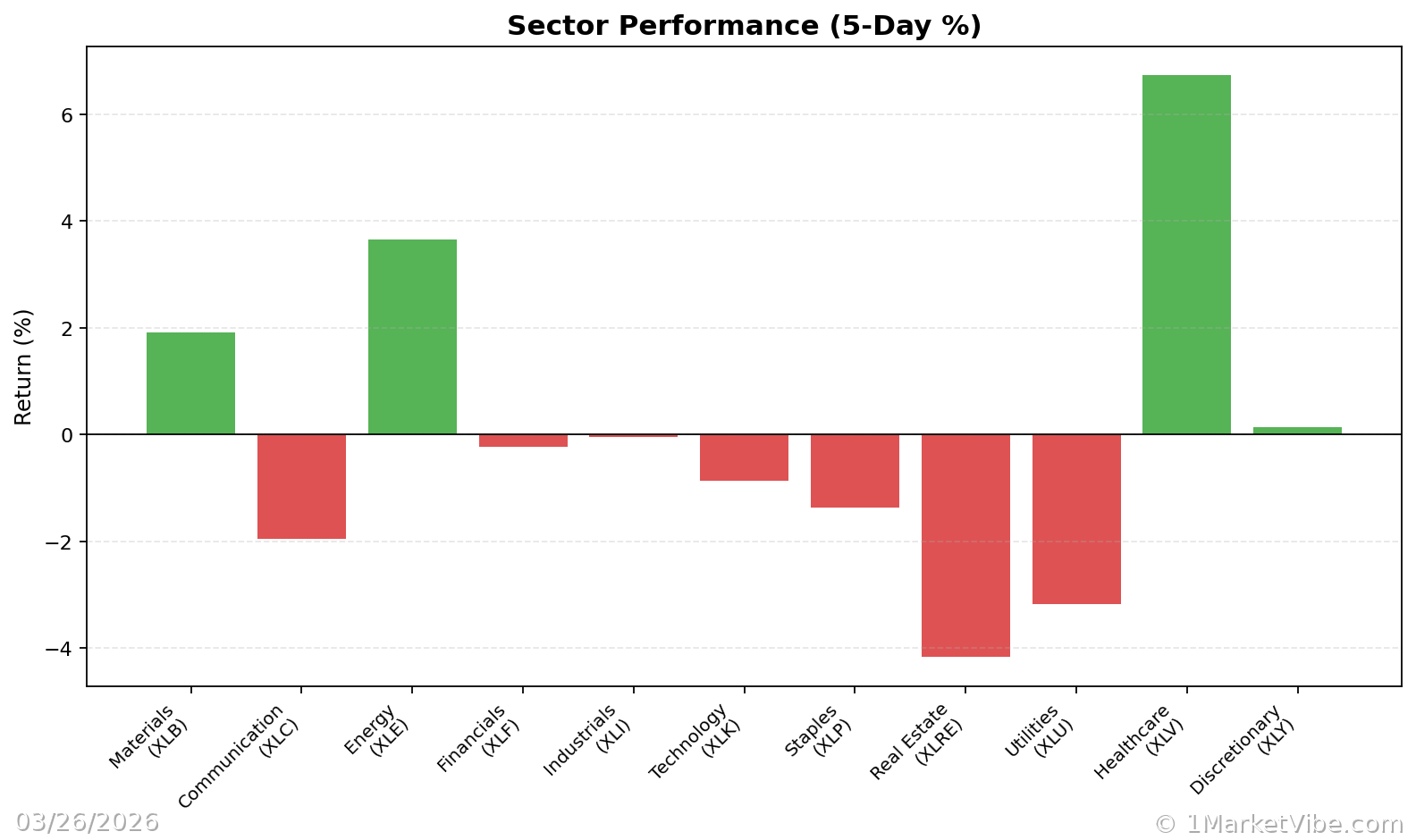
The CWI moves based on changes in these underlying indicators. For example, if market breadth weakens and volatility increases, the CWI will rise, signaling higher market risk.
Interpretation – What Different Levels Tend to Mean
- CWI below 3: Indicates a stable market environment with low risk. Traders can consider taking on more risk.
- CWI between 3 and 6: Suggests moderate risk. Traders should be cautious and monitor market conditions closely.
- CWI above 6: Signals elevated risk, often preceding market corrections. Defensive strategies are advisable.
Common combinations include:
- Strong breadth + low volatility: Indicates a robust market trend.
- Weak breadth + rising volatility: Suggests potential market instability.
Real-World Scenarios – How This Shows Up in Markets
Scenario 1: Topping Environment
Imagine a scenario where the market index continues to rise, but the percentage of stocks above their 50-DMA declines. This divergence often precedes a market top. Traders might feel tempted to chase the rally, but a more informed view would recognize the weakening breadth as a warning sign.
Scenario 2: New Bull Leg
In a strong bull market, the % Above 50-DMA surges and remains elevated. This scenario reflects broad market participation and a healthy trend. Traders can be more open to adding exposure, provided their setups align with this positive breadth.
Scenario 3: Volatility Spike
A sudden geopolitical event, like the U.S.-Iran peace talks, can cause a volatility spike, with ATR% jumping and the CWI accelerating. Traders might panic and sell, but understanding that such volatility is often temporary can help maintain a disciplined approach.
How to Use This Insight in a Process
- When breadth is weak and CWI is high, emphasize defense and reduce new risk. Consider hedging strategies to protect against potential downturns.
- When breadth and leadership broaden out, you can be more open to adding exposure — if your setups are there. Use the Market Dashboard to confirm the broader market regime.
- Use MarketVibe's Decision Edge Dashboard as a high-level regime label, then check internals for confirmation. This approach helps align your trading strategy with current market conditions.
Common Misuses & Misconceptions
Treating CWI as a stand-alone entry signal: The CWI is not a timing tool but a risk assessment metric. Use it to guide your risk posture, not for precise entry points.
Ignoring context: Always consider sector rotation and broader market trends. A high CWI in isolation doesn't capture the full market picture.
Overreacting to one-day changes: Markets are dynamic, and one-day fluctuations in the CWI should not dictate your entire strategy. Look for sustained trends.
Neglecting the impact of external factors: Geopolitical events like the U.S.-Iran peace talks can influence market metrics. Incorporate these factors into your analysis.
Focusing solely on CWI: Use a combination of MarketVibe metrics, such as % Above 50-DMA and ATR%, for a comprehensive view.
To see these breadth and risk metrics in one place each day, you can use the Decision Edge dashboard at 1marketvibe.com.
DISCLAIMER: The information provided in this article is for educational purposes only and should not be considered as investment advice. Always conduct your own research and consult with a financial advisor before making investment decisions.