

The Impact of Stripe's PayPal Acquisition on the Fintech Landscape
- Authors

- Name
- MarketVibe Team
- @1marketvibe
The Impact of Stripe's PayPal Acquisition on the Fintech Landscape
In a surprising move that could reshape the fintech industry, Stripe is reportedly considering acquiring PayPal. This potential acquisition has significant implications for the competitive landscape, regulatory environment, and strategic direction of both companies. In this article, we'll explore the potential impact of this acquisition on the fintech sector, using MarketVibe's metrics to provide a deeper understanding of the market dynamics at play.
Current Market Dynamics
The fintech industry has been characterized by rapid innovation and intense competition. Major players like PayPal and Stripe have been at the forefront, continuously expanding their services and market reach. Recently, investor sentiment has been optimistic, with fintech stocks showing strong performance. However, the potential acquisition of PayPal by Stripe introduces new variables that could alter this landscape.
Impact on PayPal
If Stripe successfully acquires PayPal, it could lead to significant changes in PayPal's operations and market position. PayPal has long been a leader in online payments, but a takeover could result in strategic shifts, such as integration with Stripe's existing services or a reevaluation of PayPal's product offerings. Stakeholders, including investors, employees, and customers, may react with a mix of optimism and concern, depending on how the acquisition is perceived to affect PayPal's future.
Stripe's Strategic Goals
Stripe's interest in acquiring PayPal likely stems from a desire to consolidate its position in the fintech market and expand its service offerings. By acquiring PayPal, Stripe could gain access to a broader customer base, enhance its technological capabilities, and strengthen its competitive edge. This move aligns with Stripe's long-term strategy of becoming a dominant player in the global payments ecosystem.
Regulatory Considerations
A potential acquisition of PayPal by Stripe would undoubtedly attract regulatory scrutiny. Antitrust concerns could arise, given the significant market share both companies hold. Regulators may examine the impact on competition and consumer choice, potentially imposing conditions or even blocking the deal if it is deemed to reduce market competition.
Market Reactions
Initial market reactions to the acquisition rumors have been mixed. Stock performance of both companies has shown volatility, reflecting investor uncertainty about the potential outcomes. MarketVibe's Crash Warning Index (CWI), currently reading at 5.2, suggests elevated risk levels, indicating that traders should be cautious and consider the implications of such a significant market event.
Broader Fintech Implications
The acquisition could have ripple effects across the fintech industry. Other companies may feel pressure to pursue mergers or acquisitions to remain competitive. Market competition could intensify, leading to increased innovation and potentially lower costs for consumers. However, smaller fintech firms might struggle to compete with the combined resources of Stripe and PayPal.
Real-World Scenarios
Scenario 1: A Topping Environment
- Metrics: If the acquisition rumors lead to a temporary surge in fintech stocks, we might see a situation where the % Above 50-DMA is high, but breadth deteriorates as not all stocks participate in the rally.
- Trader Temptation: Traders might feel tempted to buy into the rally.
- Informed Response: A more informed view would be cautious, recognizing the potential for a pullback if the breadth does not support the rally.
Scenario 2: A Strong New Bull Leg
- Metrics: If the acquisition is perceived positively, leading to a sustained rally, the % Above 50-DMA could surge and remain elevated.
- Trader Temptation: Traders might want to increase exposure aggressively.
- Informed Response: An informed approach would involve gradually increasing exposure while monitoring the CWI for signs of elevated risk.
Scenario 3: A Volatility Spike
- Metrics: Rumors and regulatory concerns could lead to a spike in volatility, with ATR% rising sharply.
- Trader Temptation: Traders might panic and sell positions.
- Informed Response: A more informed strategy would involve reassessing risk levels and considering hedging strategies to manage volatility.
How to Use This Insight in a Process
- Risk Management: When breadth is weak and CWI is high, emphasize defense and reduce new risk. This is particularly relevant in the current environment, where acquisition rumors can lead to increased market volatility.
- Exposure Adjustment: When breadth and leadership broaden out, consider adding exposure, but only if your setups align with your trading plan.
- Dashboard Utilization: Use the MarketVibe Decision Edge Dashboard as a high-level regime label, then check internals for confirmation before making significant trading decisions.
Common Misuses & Misconceptions
- Standalone Signal Misuse: Treating metrics like CWI or % Above 50-DMA as standalone entry signals can lead to poor decision-making. Always consider the broader market context.
- Ignoring Context: Focusing solely on one metric without considering sector rotation or time frame can lead to misinterpretations. Use a holistic approach.
- Overreacting to Daily Changes: Reacting to one-day changes in metrics can lead to whipsaw trades. Look for sustained trends and confirmations.
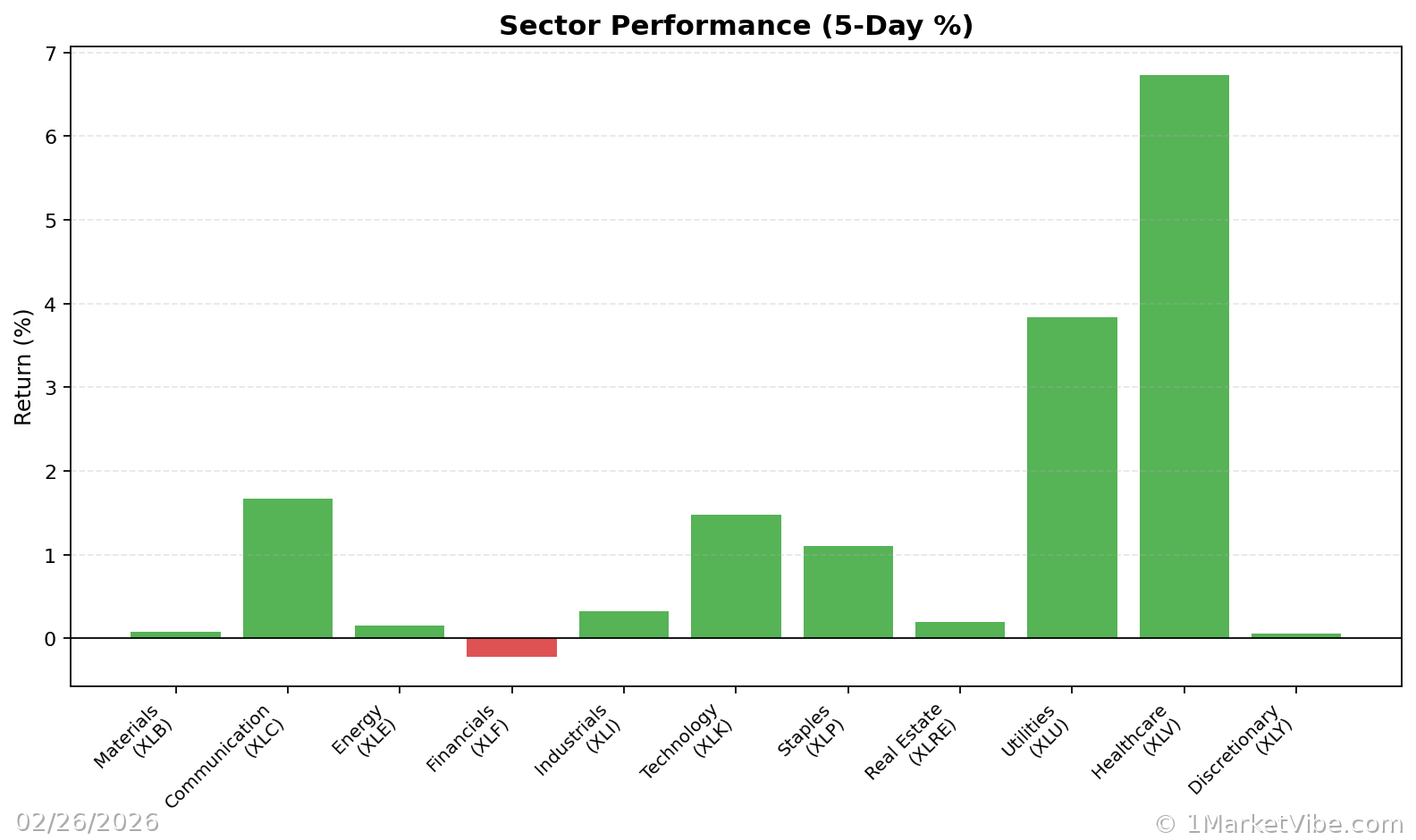
To see these breadth and risk metrics in one place each day, you can use the Decision Edge dashboard at 1marketvibe.com.
DISCLAIMER: This article is for informational purposes only and does not constitute financial advice. Always conduct your own research before making investment decisions.