


Introduction
The International Monetary Fund (IMF) has recently issued a warning that current U.S. economic policies may destabilize markets. This alert highlights the importance of understanding how economic policy shifts can impact market stability. For traders, this means paying close attention to how these policies interact with market dynamics and using tools like MarketVibe's metrics to navigate potential risks.
Current Economic Landscape
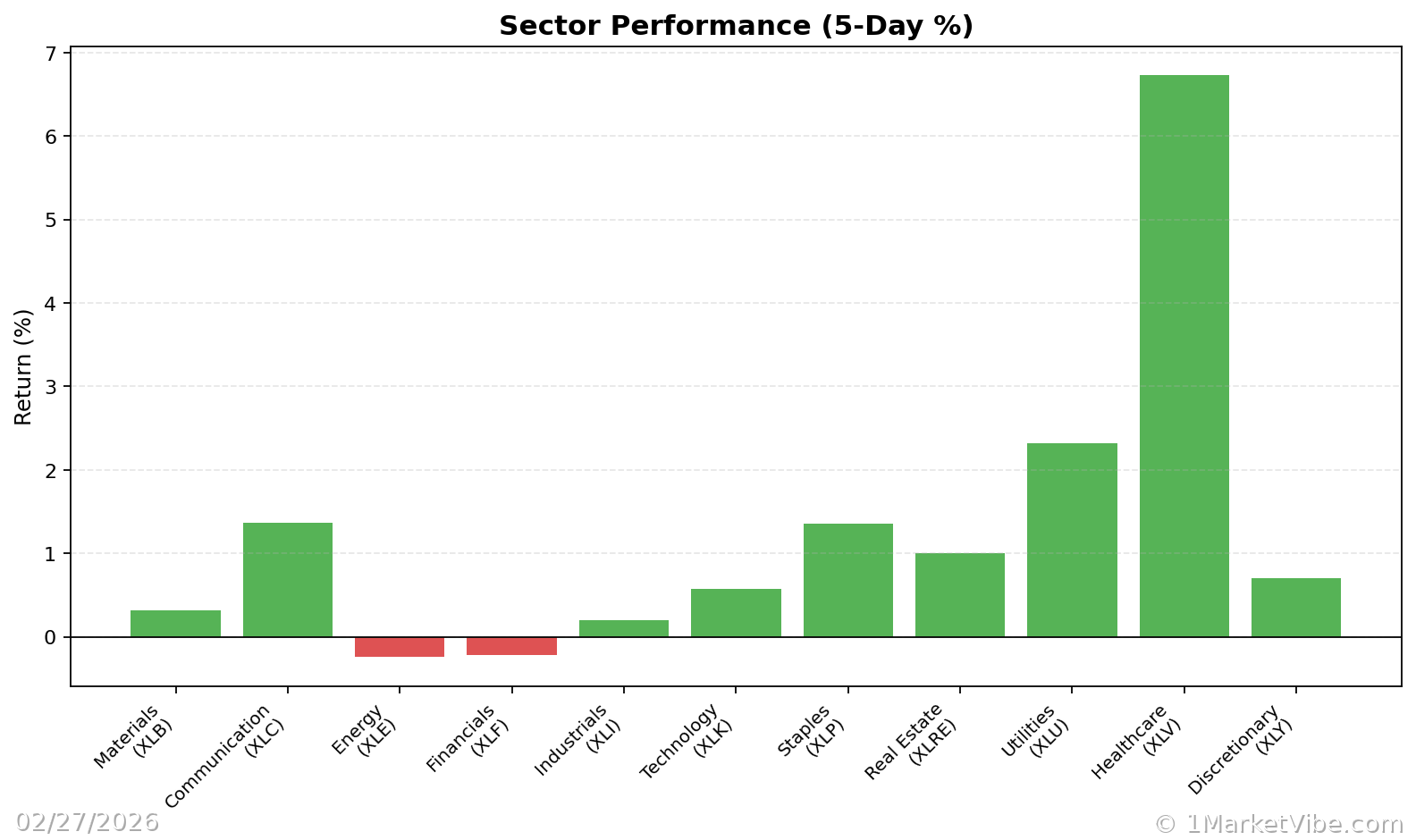
The U.S. economy has shown mixed signals in recent months. While certain sectors, such as technology, continue to perform robustly, others face challenges. Key indicators like GDP growth, unemployment rates, and inflation are critical in shaping economic policy decisions. These indicators influence market sentiment and can lead to significant shifts in market behavior.
IMF's Position
The IMF's concerns center around the potential for U.S. economic policies to create instability. This includes issues such as fiscal deficits, monetary policy adjustments, and trade tensions. Ignoring these recommendations could lead to increased market volatility and potential corrections, making it crucial for traders to stay informed and prepared.
Market Reactions
Investor sentiment often reacts swiftly to policy announcements and economic forecasts. For instance, when the IMF issues a warning, it can lead to increased caution among investors, affecting market trends. Understanding these reactions and how they align with MarketVibe's metrics can provide traders with a clearer picture of the market landscape.
How MarketVibe Metrics Can Help
Crash Warning Index (CWI)
What It Is: The Crash Warning Index (CWI) is a composite metric that evaluates several risk dimensions, including breadth, volatility, and defensive behavior. It helps traders assess the likelihood of a market correction.
Why It Matters: A CWI reading above 6 indicates elevated risk, suggesting that traders should be cautious about taking on new risks. Currently, with a CWI reading of 4.9, the market is in a moderate risk zone, signaling the need for vigilance.
% Above 50-DMA
What It Is: This metric measures the percentage of stocks trading above their 50-day moving average, providing insight into market breadth and trend health.
Why It Matters: When a large percentage of stocks are above their 50-DMA, it indicates strong market breadth and a healthy trend. Conversely, a low percentage suggests market weakness or an oversold condition.
ATR%
What It Is: Average True Range (ATR) % measures volatility relative to price. It helps traders understand the current volatility regime.
Why It Matters: Low ATR% often corresponds to quiet, trending phases, while high ATR% indicates choppy or unstable conditions. Monitoring ATR% can help traders adjust their strategies to suit the current volatility environment.
Real-World Scenarios
Scenario 1: Topping Environment
In a topping environment, market indices may continue to rise even as breadth deteriorates. For example, the % Above 50-DMA might decline while the index grinds higher. Traders may feel tempted to chase the rally, but a more informed view would suggest caution, as deteriorating breadth often precedes corrections.
Scenario 2: Strong Bull Leg
During a strong new bull leg, the % Above 50-DMA surges and remains elevated, indicating robust market participation. Traders might be inclined to increase exposure, but it's essential to ensure that setups align with broader market strength.
Scenario 3: Volatility Spike
A sudden increase in ATR% and a rising CWI can signal a volatility spike. Traders may react by reducing positions or seeking defensive assets. An informed approach would involve assessing whether the spike is temporary or indicative of a broader trend shift.
How to Use This Insight in a Process
- Emphasize Defense: When breadth is weak and CWI is high, prioritize defensive strategies and reduce new risk exposure.
- Broaden Exposure: If breadth and leadership improve, consider adding exposure, but only if your trading setups are favorable.
- Use Market Dashboard: Leverage the Market Dashboard for a high-level view of market regimes, then confirm with internal metrics.
Common Misuses & Misconceptions
- Standalone Signals: Avoid treating any single metric as a standalone entry signal. Always consider the broader market context.
- Ignoring Context: Pay attention to sector rotation and time frames. Metrics should be part of a comprehensive analysis.
- Overreacting to Changes: Don't overreact to daily metric fluctuations. Focus on sustained trends and patterns.
To see these breadth and risk metrics in one place each day, you can use the Decision Edge dashboard at 1marketvibe.com.
Disclaimer: This article is for informational purposes only and does not constitute financial advice. Please consult with a financial advisor before making investment decisions.