

Record Gold Prices Indicate Potential Market Volatility
- Authors

- Name
- MarketVibe Team
- @1marketvibe
Record Gold Prices Indicate Potential Market Volatility
As we find ourselves in December 2025, gold prices have reached unprecedented highs, signaling potential volatility in the broader market. Understanding the implications of this development requires a closer look at the Crash Warning Index (CWI), a key MarketVibe metric that provides insights into market risk conditions. This article will explore how the CWI works, what its current levels indicate, and how traders can use this information to make informed decisions.
Orientation – What Are We Explaining?
The Crash Warning Index (CWI) is a composite indicator designed to assess market risk by integrating various dimensions such as breadth, volatility, and defensive behavior. Traders should care about the CWI because it helps them gauge the underlying risk environment, informing decisions about portfolio adjustments and risk management. Rather than serving as a magic signal, the CWI is a tool to help traders reduce blind spots and align their strategies with prevailing market conditions.
How It Works – Mechanics & Data
The CWI is constructed by aggregating several market indicators that reflect different aspects of risk:
- Breadth: Measures like the % Above 50-DMA indicate how many stocks are trading above their 50-day moving average, providing a sense of market participation.
- Volatility: The ATR% (Average True Range as a percentage of price) captures market volatility, indicating whether the market is in a stable or unstable phase.
- Defensive Behavior: Observations of sector rotations into defensive areas (like utilities or consumer staples) suggest increased caution among investors.
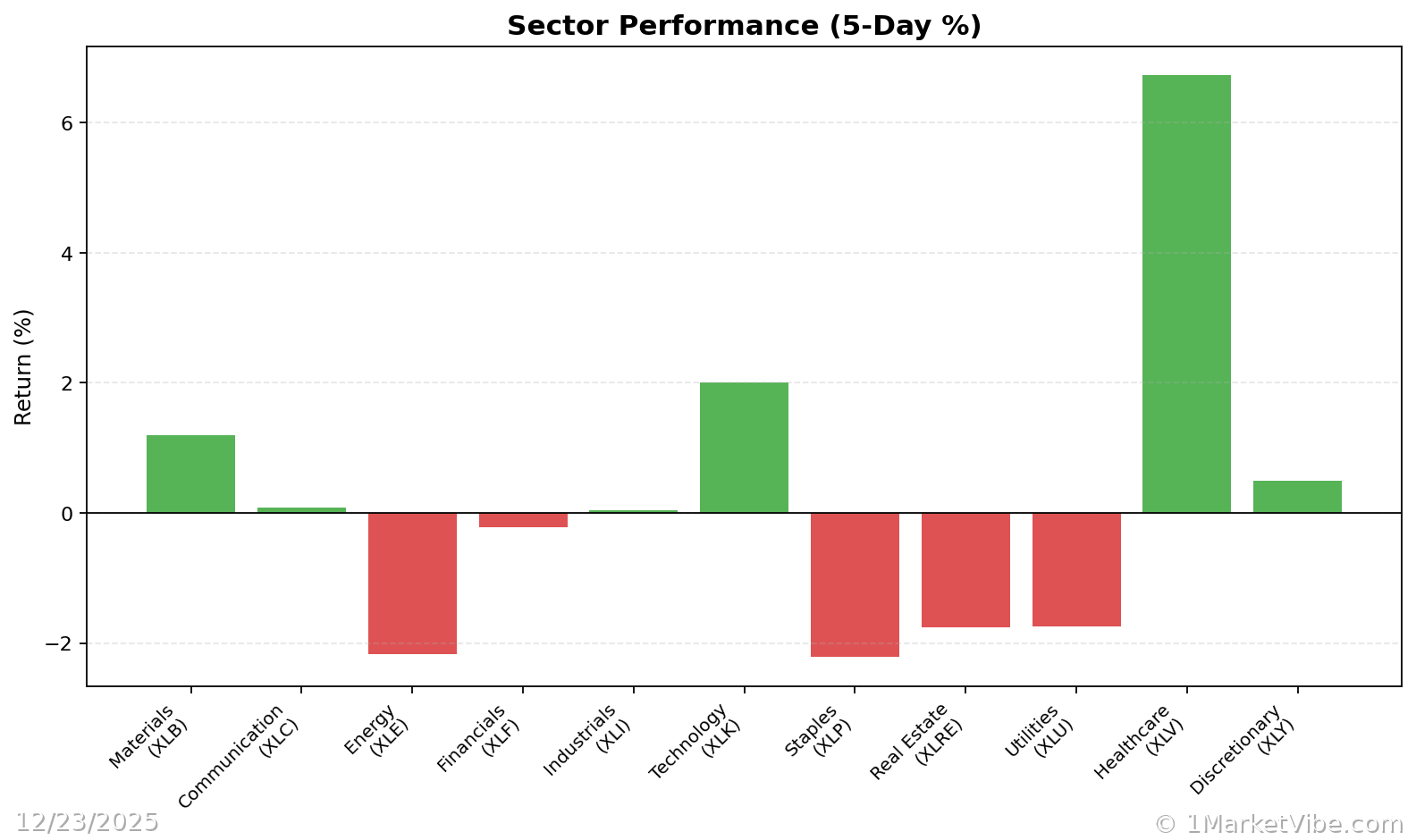
The CWI moves based on changes in these underlying indicators. For example, a sharp increase in market volatility or a decline in breadth can push the CWI higher, signaling elevated risk.
Interpretation – What Different Levels Tend to Mean
The CWI is typically interpreted in ranges:
- Below 3: Indicates a relatively low-risk environment, often associated with stable market conditions.
- Between 3 and 6: Suggests moderate risk, where caution is warranted but not necessarily urgent.
- Above 6: Signals high risk, where market corrections or increased volatility are more likely.
Currently, the CWI stands at 5.6, suggesting that while the market is not in immediate danger, there is a heightened risk environment that traders should not ignore.
Real-World Scenarios – How This Shows Up in Markets
Scenario 1: Topping Environment
Imagine a scenario where major indices continue to rise, but the % Above 50-DMA declines, indicating fewer stocks are participating in the rally. The CWI might rise as breadth weakens, even if headline indices look strong. Traders might feel tempted to chase the rally, but a more informed view would recognize the underlying weakness and adopt a defensive posture.
Scenario 2: Bull Market Resurgence
In a strong bull market, the % Above 50-DMA surges, and the CWI remains low, reflecting broad participation and low volatility. Here, traders might increase exposure, confident in the market's strength, provided their setups align with this broader trend.
Scenario 3: Volatility Spike
Suppose geopolitical tensions cause a sudden spike in volatility, reflected in a rising ATR%. The CWI would likely increase, warning of potential market instability. Traders might be tempted to panic sell, but a strategic approach would involve reassessing risk exposure and considering hedging strategies.
How to Use This Insight in a Process
- When Breadth is Weak and CWI is High: Emphasize defense and reduce new risk. This might involve tightening stop-loss levels or reducing position sizes.
- When Breadth and Leadership Broaden: Be open to adding exposure, but only if your setups are there. Use the Market Dashboard to confirm the broader regime.
- Use Market Dashboard: As a high-level regime label, then check internals for confirmation. This helps ensure that decisions are grounded in a comprehensive view of market conditions.
Common Misuses & Misconceptions
Treating CWI as a Stand-Alone Signal: The CWI should not be used in isolation. Always consider it alongside other indicators and market context.
Ignoring Context: Failing to account for sector rotation or time frame can lead to misinterpretation. Always consider the broader market environment.
Overreacting to One-Day Changes: The CWI is more informative over a period rather than reacting to daily fluctuations. Look for sustained trends in the index.
To see these breadth and risk metrics in one place each day, you can use the Decision Edge dashboard at 1marketvibe.com.
This content is for informational purposes only and should not be considered as investment advice. Market conditions can change rapidly and unpredictably. Always conduct your own research or consult a financial advisor before making investment decisions.