
Nvidia's AI System Delay Highlights Challenges in the Tech Sector
- Authors

- Name
- MarketVibe Team
- @1marketvibe
Nvidia's AI System Delay Highlights Challenges in the Tech Sector
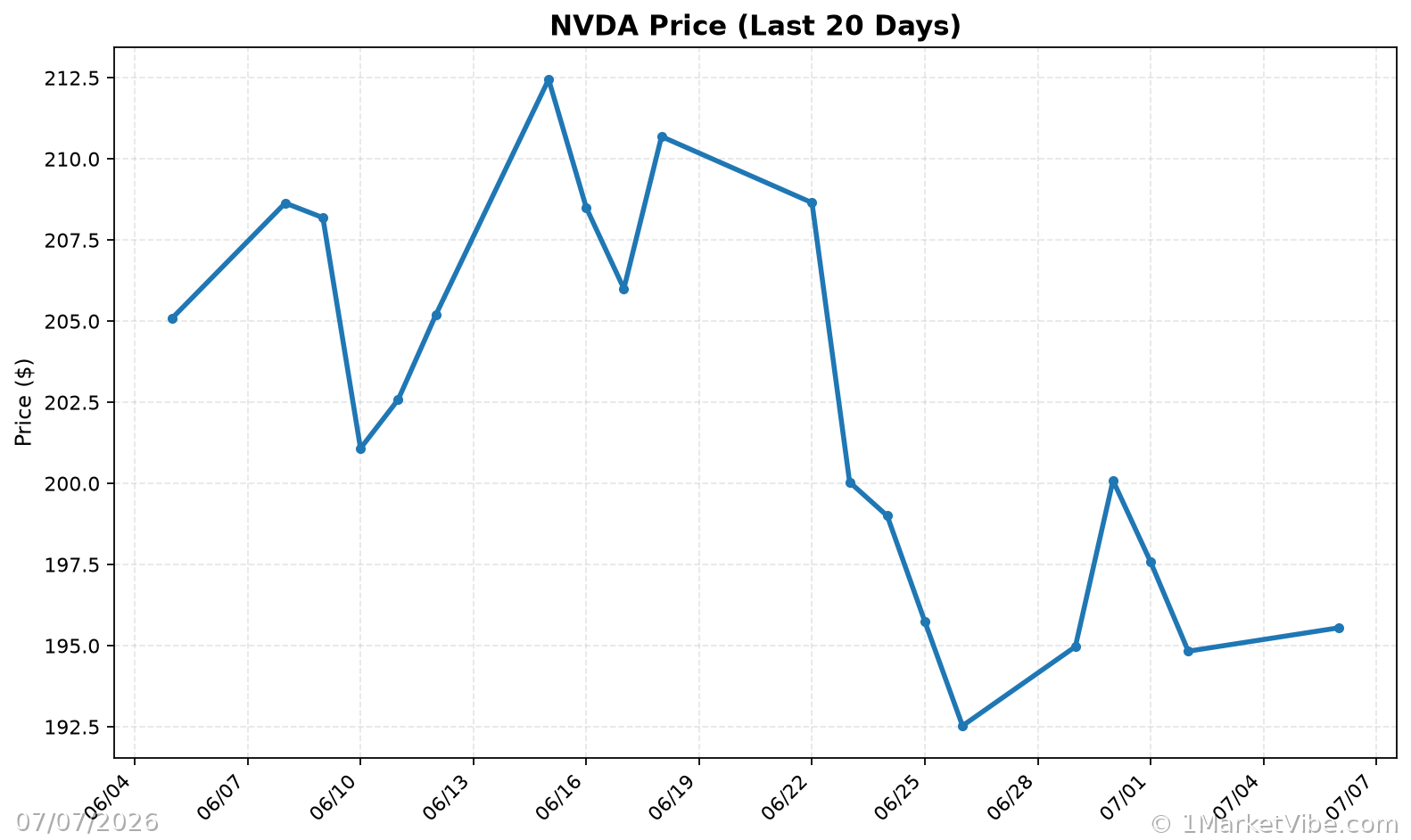
Nvidia's recent announcement of a delay in its next-generation AI system, the Kyber rack-scale architecture, has sent ripples through the tech sector. This development underscores the broader challenges faced by technology companies, particularly in the realm of manufacturing and product rollout. Understanding these challenges through the lens of MarketVibe's metrics can provide traders with valuable insights into the current market environment and help them make more informed decisions.
Current Market Sentiment
The tech sector is a significant driver of market sentiment, and Nvidia is a key player within this space. The delay in the Kyber system, which was supposed to debut with the Vera Rubin Ultra chips in 2027, has raised concerns about the company's ability to maintain its aggressive release schedule. This has implications not only for Nvidia but also for the broader tech sector, as it highlights potential manufacturing bottlenecks that could affect other companies.
Impact on Investor Confidence
Investor confidence in the tech sector can be volatile, especially when major players like Nvidia face setbacks. The delay has prompted questions about the company's roadmap and its ability to deliver cutting-edge products on time. This uncertainty can lead to increased volatility in tech stocks, which is where MarketVibe's metrics come into play.
Manufacturing Challenges
Nvidia's delay is attributed to difficulties in manufacturing a key circuit board for the Kyber system. This highlights a common challenge in the tech sector: the complexity of manufacturing advanced technologies. As companies push the boundaries of innovation, they often encounter unforeseen technical hurdles that can delay product launches.
Broader Implications
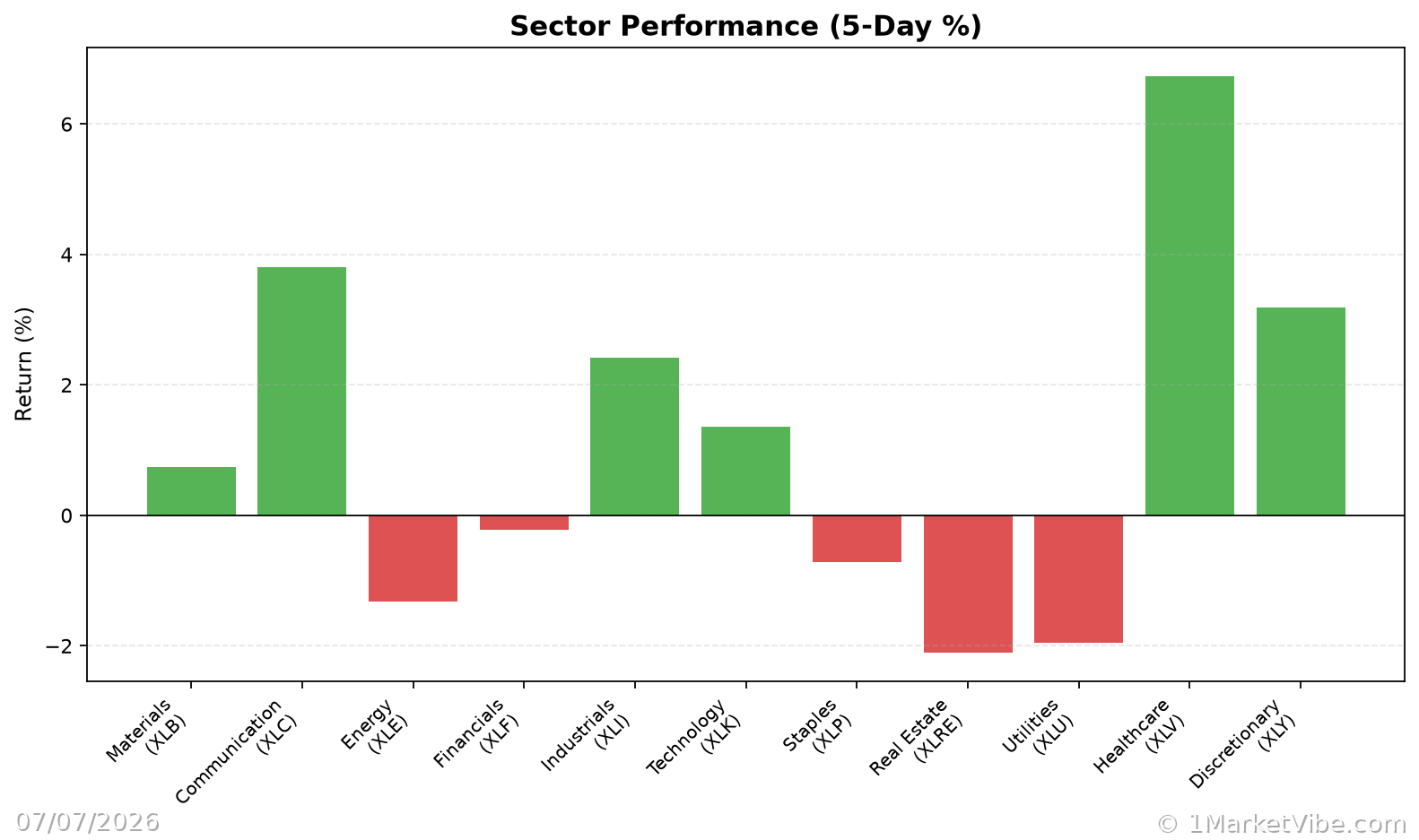
These manufacturing challenges are not unique to Nvidia. Other tech companies may face similar issues as they strive to develop more sophisticated products. This can lead to a ripple effect across the sector, affecting stock prices and investor sentiment.
Historical Context
Nvidia has a history of rapid product releases, which has set high expectations among investors and customers. However, this aggressive pace can sometimes collide with manufacturing realities, leading to delays. Comparing this situation with past delays in tech product launches can provide valuable context for traders.
Comparison with Past Delays
Historically, delays in tech product launches have led to short-term volatility but have not necessarily impacted long-term growth prospects. For example, previous delays in Nvidia's product releases were eventually overcome, allowing the company to maintain its leadership position in the AI market.
Sector-Wide Implications
The delay in Nvidia's AI system could have broader implications for the tech sector. If other companies face similar manufacturing challenges, it could lead to a slowdown in innovation and product rollouts. This, in turn, could affect investor sentiment and stock prices across the sector.
Potential Ripple Effects
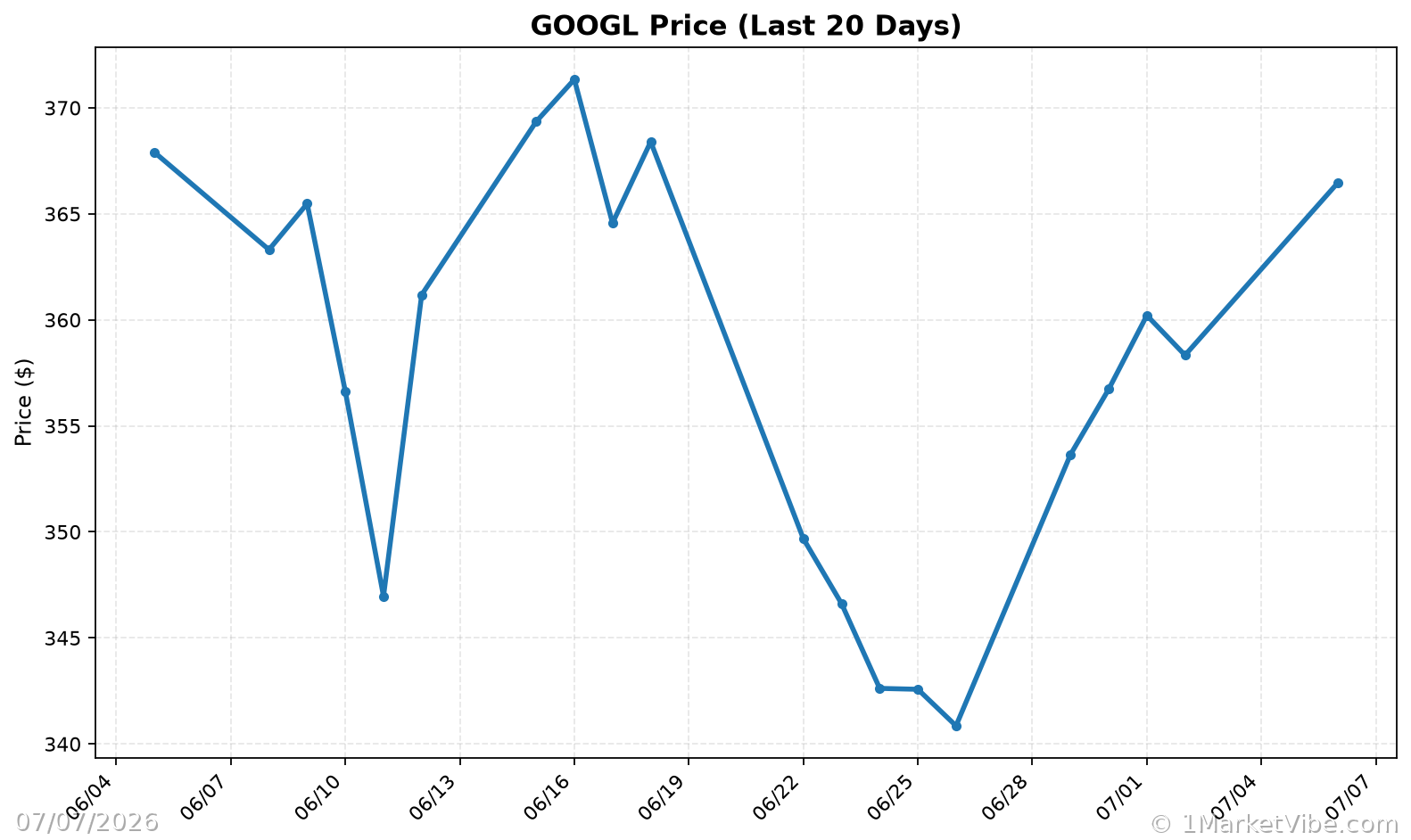
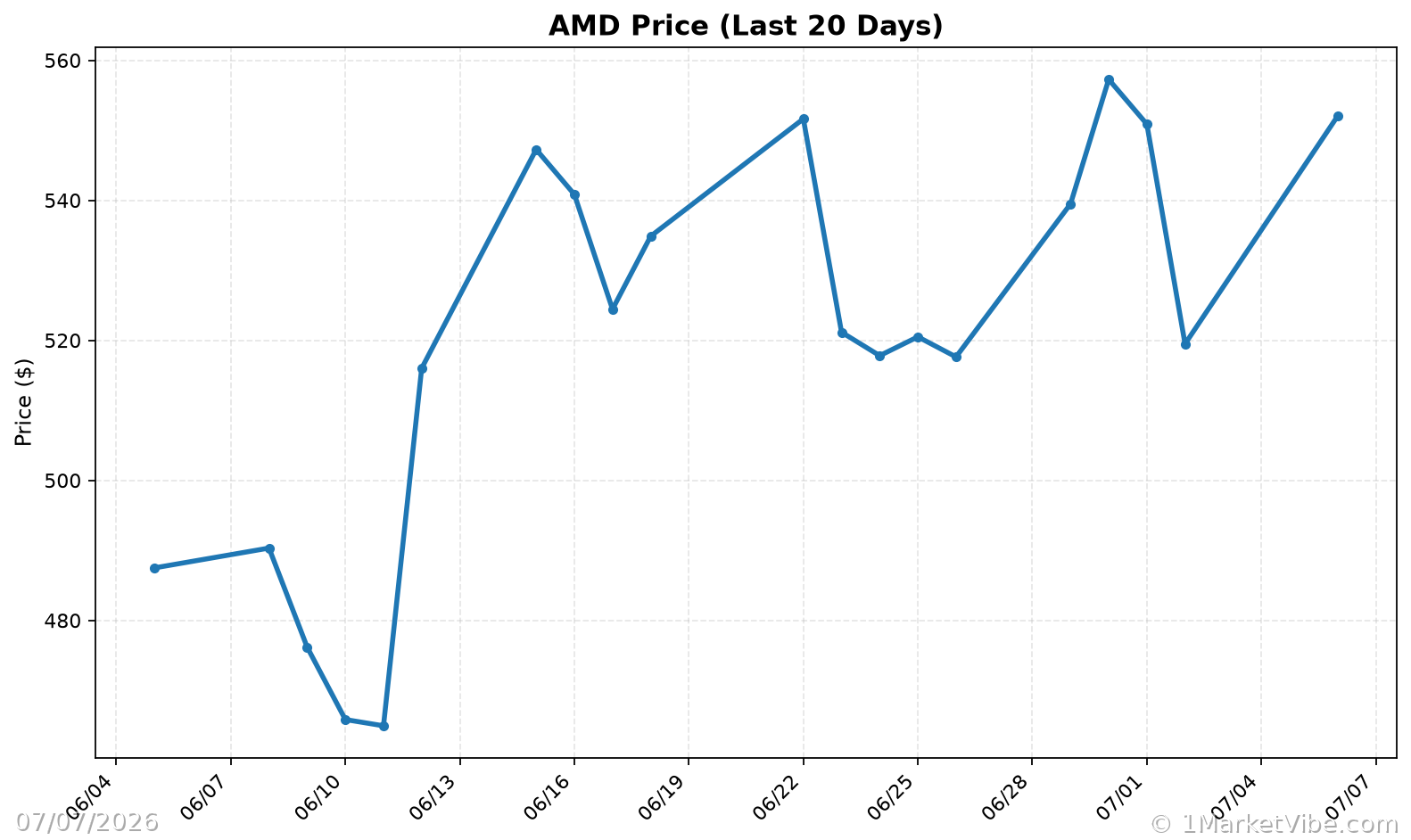
The delay could provide opportunities for Nvidia's competitors, such as Advanced Micro Devices (AMD) and Google, to gain market share. These companies may capitalize on Nvidia's setback by accelerating their own product development and capturing business from top AI labs.
Expert Opinions
Industry analysts have weighed in on Nvidia's delay, offering insights into the potential impact on the AI market. While some view the delay as a temporary setback, others see it as an opportunity for competitors to gain ground.
Predictions for the AI Market
Despite the delay, experts believe that Nvidia will continue to play a critical role in AI data infrastructure. The company's ability to overcome technical challenges and work with vendors to resolve issues is well-documented. As such, the long-term outlook for Nvidia remains positive, even as it navigates current challenges.
Conclusion
Nvidia's delay in its AI system highlights the challenges faced by tech companies in bringing cutting-edge products to market. For traders, understanding these challenges through MarketVibe's metrics can provide valuable insights into the current market environment.
Practical Process Guidance
- Monitor MarketVibe's Decision Edge Dashboard: Use this tool to assess the broader market risk picture and understand how Nvidia's delay fits into the current tech sector climate.
- Adjust Risk Exposure: If MarketVibe's Crash Warning Index (CWI) is elevated, consider reducing exposure to tech stocks and emphasizing defensive positions.
- Evaluate Breadth and Volatility: Keep an eye on metrics like % Above 50-DMA and ATR% to gauge market strength and volatility, which can inform your risk posture.
Common Misuses & Misconceptions
- Avoid Overreacting to One-Day Changes: MarketVibe's metrics provide a broader context, so avoid making decisions based solely on short-term fluctuations.
- Don't Treat Metrics as Stand-Alone Signals: Use them as part of a comprehensive analysis that includes sector rotation and market trends.
- Consider the Bigger Picture: Understand that delays are part of the innovation process and may not significantly impact long-term growth.
To see these breadth and risk metrics in one place each day, you can use the Decision Edge dashboard at 1marketvibe.com.
DISCLAIMER: This article is for informational purposes only and does not constitute financial advice. Always conduct your own research before making investment decisions.
Charts