

Musk's $1 Billion Gas Investment Indicates Shift in Energy Strategy
- Authors

- Name
- MarketVibe Team
- @1marketvibe
Musk's $1 Billion Gas Investment Indicates Shift in Energy Strategy
Elon Musk's recent $1 billion investment in a gas turbine company marks a notable pivot in his energy strategy, particularly for SpaceX. This move, while seemingly at odds with Musk's well-known advocacy for renewable energy, highlights a pragmatic approach to energy sourcing that could have significant implications for both SpaceX's operations and the broader tech sector. In this article, we will explore the details of this investment, its potential impact, and how traders can use MarketVibe's metrics to understand the broader market context.
Investment Details
Musk's acquisition of Jacksonville-based APR Energy, a company specializing in mobile gas turbines, underscores a strategic shift. These turbines, capable of being deployed quickly and without the extensive permitting required for permanent installations, provide SpaceX with a flexible and reliable energy source. This is crucial for powering data centers like the Colossus II, which relies heavily on natural gas.
Financially, this investment allows SpaceX to mitigate risks associated with energy supply disruptions and price volatility. By owning the infrastructure, SpaceX gains more control over its operational costs, a critical factor as it scales its data operations.
Energy Strategy Shift
Analysis of Musk's Energy Sourcing Choices
Musk's decision to invest in gas turbines, despite his advocacy for solar energy, highlights a nuanced energy strategy. While solar remains a long-term goal, the immediate need for reliable, scalable energy solutions for terrestrial operations has led to this investment in natural gas. This approach balances the ideal of renewable energy with the practicalities of current technological and infrastructural limitations.
Impact on SpaceX's Operational Costs
By securing a stable energy source, SpaceX can better manage its operational expenses, which is vital for maintaining competitiveness in the rapidly evolving tech landscape. This move also positions SpaceX to potentially integrate more renewable solutions in the future, once the technology and infrastructure catch up.
Market Reactions
Investor Sentiment and Stock Performance
Investor reactions to Musk's investment have been mixed. Some view it as a necessary step to ensure operational stability, while others see it as a departure from Musk's renewable energy ethos. This divergence in sentiment can lead to volatility in stock performance, particularly for companies closely associated with Musk's ventures.
Comparative Analysis with Other Tech Investments
Compared to other tech investments, Musk's move into gas turbines is relatively conservative but strategically sound. It reflects a broader trend in the tech sector where companies are diversifying their energy sources to hedge against market volatility and regulatory changes.
Broader Industry Implications
Alignment with Energy Trends
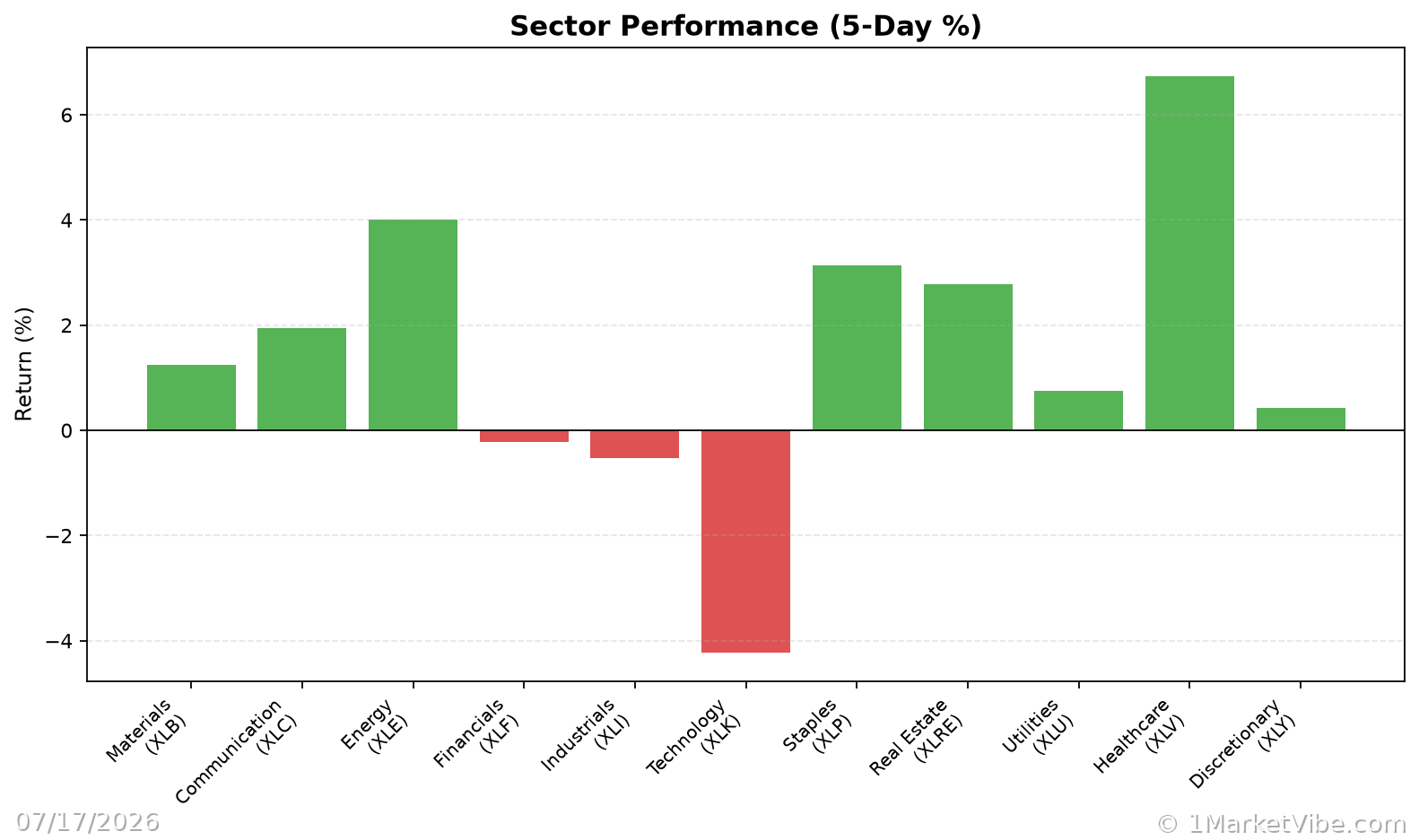
Musk's investment aligns with a growing trend among tech companies to secure their energy supply chains. As data centers become increasingly energy-intensive, the need for reliable and scalable power sources becomes paramount. This move could prompt other tech giants to reevaluate their energy strategies, potentially leading to increased investment in both traditional and renewable energy sectors.
Ripple Effects in the Tech Sector
This strategic shift could influence competitors to explore similar investments, particularly in regions where renewable energy infrastructure is still developing. It also raises questions about the future of energy sourcing in the tech industry and the balance between renewable and traditional energy sources.
Risks and Challenges
Possible Drawbacks of Relying on Gas Turbines
While gas turbines offer flexibility and reliability, they also come with environmental and regulatory challenges. The potential for increased emissions and legal disputes, as seen with SpaceX's current legal challenges, could pose risks to the company's reputation and operational efficiency.
Regulatory and Environmental Concerns
The reliance on gas turbines may attract scrutiny from environmental groups and regulators, particularly as global efforts to combat climate change intensify. Companies must navigate these challenges carefully to avoid potential legal and reputational damage.
Real-World Scenarios
Scenario 1: A Topping Environment
In a market environment where breadth deteriorates but indices continue to rise, traders might observe a scenario where the % Above 50-DMA decreases while the CWI remains stable. This could indicate underlying weakness, prompting traders to adopt a more defensive posture.
Scenario 2: A New Bull Leg
During a strong market rally, the % Above 50-DMA might surge and remain elevated, signaling robust market health. In such cases, traders could consider increasing exposure, provided their setups align with broader market trends.
Scenario 3: Volatility Spike
A sudden increase in ATR% could indicate a volatility spike, often accompanied by an elevated CWI. Traders might be tempted to react impulsively, but a more informed approach would involve reassessing risk exposure and considering hedging strategies.
How to Use This Insight in a Process
To effectively incorporate these insights into a trading process, consider the following guidelines:
- Emphasize Defense: When breadth is weak and the CWI is high, focus on defensive strategies and reduce new risk exposure.
- Broaden Exposure: When market breadth and leadership indicators are strong, be open to adding exposure, but ensure your setups are robust.
- Use Market Dashboard: Leverage MarketVibe's Decision Edge dashboard to get a high-level view of market regimes and confirm insights with internal metrics.
Common Misuses & Misconceptions
Traders often misuse market metrics by:
- Treating Metrics as Stand-Alone Signals: Avoid using any single metric as a definitive entry or exit signal. Instead, consider the broader market context.
- Ignoring Sector Rotation: Pay attention to sector dynamics and how they interact with overall market trends.
- Overreacting to One-Day Changes: Focus on longer-term trends rather than reacting to daily fluctuations.
To see these breadth and risk metrics in one place each day, you can use the Decision Edge dashboard at 1marketvibe.com.
DISCLAIMER: This article is for informational purposes only and should not be considered as investment advice. Always conduct your own research before making any investment decisions.