


Meta's Job Cuts Indicate a Shift in the Tech Sector
The recent announcement of significant job cuts by Meta has sent ripples through the tech sector, raising questions about broader economic implications and investor sentiment. In this article, we'll explore how these layoffs might signal a shift in the tech industry, using MarketVibe's metrics to provide a structured understanding of the current market landscape.
Layoff Details
Meta has initiated a sweeping round of layoffs, impacting approximately 10% of its workforce, or around 8,000 roles. These cuts span various departments, reflecting a strategic shift in the company's focus. Employees affected by these layoffs are reportedly receiving severance packages, which include a combination of financial compensation and extended benefits.
Market Reaction
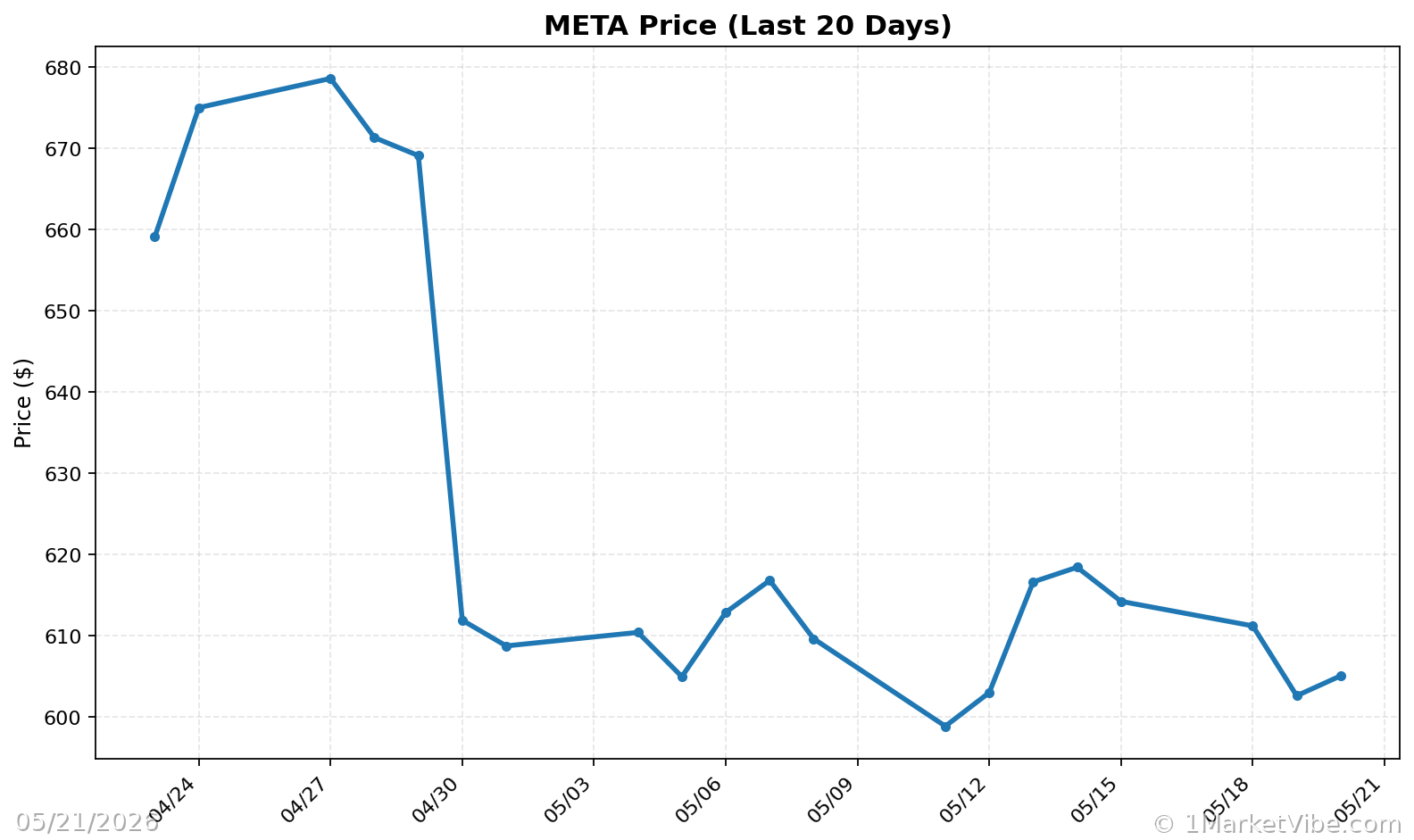
The market's initial response to Meta's announcement was one of caution, with tech stocks experiencing increased volatility. This reaction is not isolated; it mirrors similar responses to recent layoffs across the tech sector. As investors digest these developments, the broader implications for market stability and future growth are being closely scrutinized.
Economic Indicators
Meta's layoffs occur against a backdrop of ongoing economic uncertainty, characterized by inflation fears and fluctuating interest rates. These factors contribute to a cautious investor sentiment, as market participants weigh the potential for a broader economic slowdown. The tech sector, often seen as a bellwether for innovation and growth, is particularly sensitive to these macroeconomic trends.
CW Index Analysis
The Crash Warning Index (CWI) provides valuable insights into the current risk environment. As of now, the CWI stands at 5.4, indicating elevated risk levels. This metric is a composite of several dimensions, including market breadth, volatility, and defensive behavior. A CWI reading above 5 suggests heightened caution, as it often precedes market corrections or increased volatility.
Historically, such CWI levels have been associated with significant market events, including corporate restructuring and layoffs. The index's early warning capability, typically 4-6 weeks, suggests that the current trend was somewhat predictable, aligning with recent developments in the tech sector.
Sector Implications
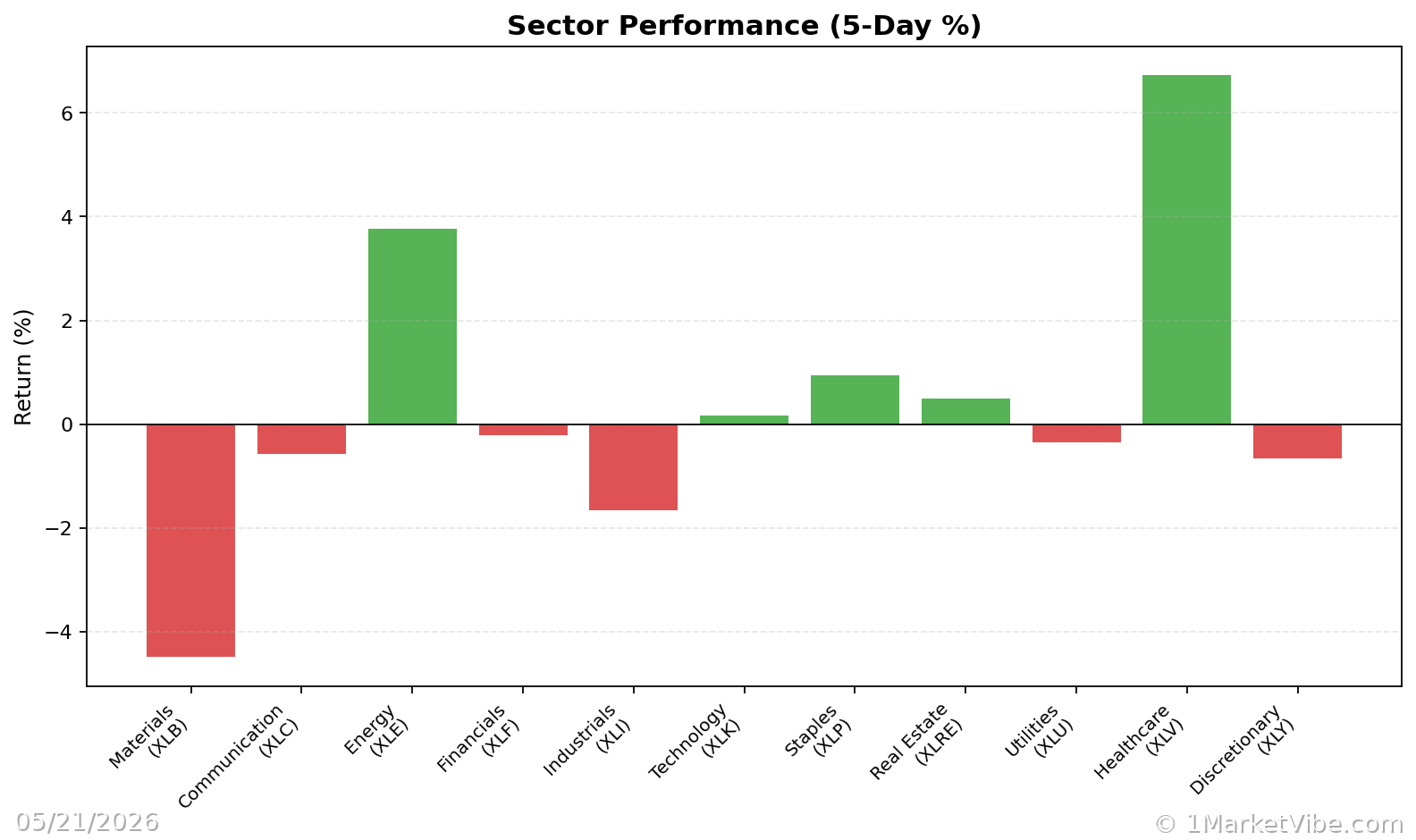
Meta's layoffs could have broader implications for the tech sector. As one of the industry's leading companies, Meta's strategic decisions often set a precedent for others. Investors should consider the potential for ripple effects, including shifts in sector leadership and changes in capital allocation.
Investor Considerations
In light of Meta's actions, investors might consider adjusting their risk exposure within the tech sector. Monitoring the CWI and other MarketVibe metrics can provide valuable context for these decisions. For instance, a continued rise in the CWI might prompt a more defensive posture, while a stabilization or decline could signal a return to growth-oriented strategies.
Real-World Scenarios
Scenario 1: Topping Environment
Imagine a scenario where the broader market indices continue to rise, but underlying breadth metrics, such as the % Above 50-DMA, begin to deteriorate. This divergence could indicate a topping environment, where the market appears strong on the surface but is losing internal strength. In such cases, the CWI might rise, reflecting increased risk.
Scenario 2: Bull Leg Surge
Conversely, a scenario where the % Above 50-DMA surges and remains elevated could signal the start of a new bull leg. This would typically be accompanied by a declining CWI, suggesting reduced risk and a more favorable environment for risk-taking.
Scenario 3: Volatility Spike
A sudden increase in ATR%, a measure of volatility relative to price, could indicate a market in flux. If this is accompanied by a rising CWI, it might suggest that traders should brace for potential market turbulence.
How to Use This Insight in a Process
To effectively incorporate these insights into a trading process, consider the following guidelines:
- Emphasize Defense: When breadth is weak and the CWI is high, prioritize defensive strategies and reduce new risk exposure.
- Broaden Exposure: If breadth and leadership metrics improve, consider increasing exposure, provided your setups align with this broader context.
- Use Market Dashboard: Leverage the Market Dashboard as a high-level regime label, then delve into internals for confirmation.
Common Misuses & Misconceptions
Traders often misuse metrics like the CWI by:
Treating It as a Stand-Alone Signal: The CWI should not be used in isolation for entry or exit decisions. Instead, integrate it with other indicators and market context.
Ignoring Context: Failing to consider sector rotation or broader economic trends can lead to misguided decisions. Always contextualize the CWI within the current market environment.
Overreacting to One-Day Changes: Short-term fluctuations in the CWI or other metrics should not prompt knee-jerk reactions. Focus on sustained trends and patterns.
To see these breadth and risk metrics in one place each day, you can use the Decision Edge dashboard at 1marketvibe.com.
Disclaimer: This article is for informational purposes only and does not constitute financial advice. Please consult with a financial advisor before making investment decisions.