

Hormuz Crisis Drives Oil Prices Higher and Its Implications for Investors
- Authors

- Name
- MarketVibe Team
- @1marketvibe
Hormuz Crisis Drives Oil Prices Higher and Its Implications for Investors
Introduction
The Strait of Hormuz, a critical chokepoint for global oil transportation, has once again become a focal point of geopolitical tension, driving oil prices higher. This development has significant implications for investors, as rising oil prices can ripple through global markets, influencing everything from inflation rates to stock market performance. Understanding these dynamics is essential for making informed investment decisions.
Current Oil Price Trends
Recent events in the Strait of Hormuz have led to a noticeable spike in oil prices, particularly Brent crude, which serves as a major benchmark for global oil pricing. Historically, geopolitical tensions in this region have often resulted in similar price surges. For instance, during past conflicts involving Iran, oil prices have experienced rapid increases due to fears of supply disruptions.
Impact on Global Markets
The increase in oil prices can have widespread effects on global markets. Higher oil prices typically lead to increased costs for transportation and production, which can squeeze profit margins for companies reliant on oil. This, in turn, can dampen investor sentiment and lead to volatility in stock markets. Moreover, sectors such as airlines and logistics, which are heavily dependent on fuel, may experience more pronounced impacts.
Inflation Concerns
Oil prices are a key component of inflation calculations. As oil prices rise, the cost of goods and services that rely on oil for production and transportation also tends to increase. This can lead to higher overall inflation rates, affecting consumers and businesses alike. For investors, rising inflation can erode the real value of returns, making it crucial to consider inflation-protected securities or commodities that tend to perform well in inflationary environments.
Geopolitical Factors
The Strait of Hormuz is a vital artery for the global oil supply, with a significant portion of the world's oil passing through this narrow waterway. Iran's strategic position and its influence over this region mean that any tensions involving Iran can have immediate and significant impacts on oil markets. Additionally, U.S. foreign policy decisions regarding Iran can further exacerbate these tensions, influencing market dynamics.
Market Predictions
MarketVibe's Crash Warning Index (CWI) provides a valuable tool for anticipating market shifts in response to geopolitical events. Currently, the CWI reading is at 5.5, indicating elevated risk levels. The CWI is a composite index that considers various risk dimensions, including market breadth, volatility, and defensive behavior. A reading above 6 typically signals heightened risk and the potential for market corrections.
Investor Strategies
Given the current environment, investors should consider several strategies to navigate the volatile oil market:
Diversification: Spreading investments across different asset classes can help mitigate risks associated with rising oil prices.
Hedging: Utilizing options or futures contracts can provide a hedge against further increases in oil prices.
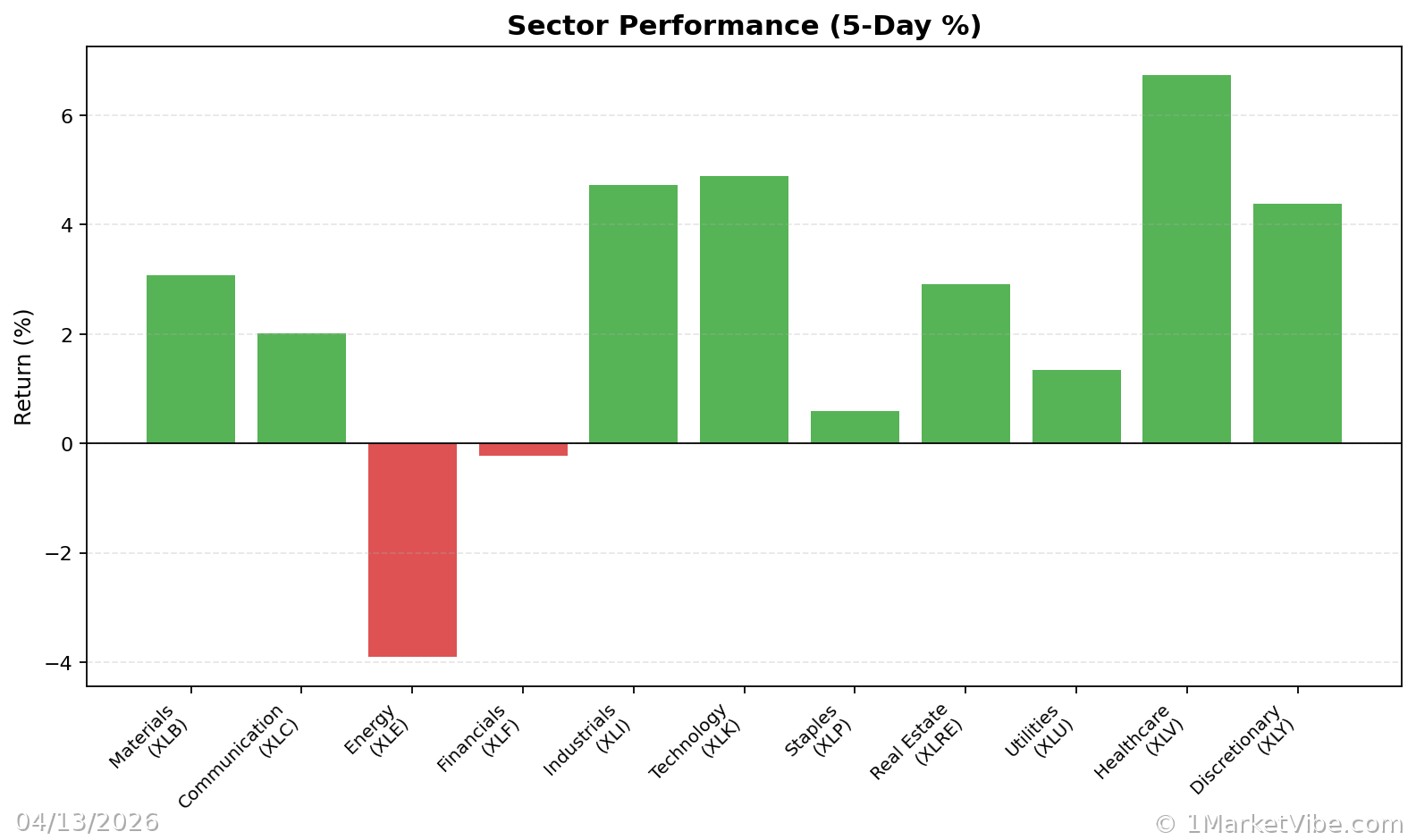
Sector Rotation: Shifting investments towards sectors that benefit from higher oil prices, such as energy, can offer potential upside.
Conclusion
The ongoing crisis in the Strait of Hormuz underscores the importance of understanding geopolitical risks and their implications for oil prices and broader market dynamics. By leveraging tools like the CWI and adopting strategic investment approaches, investors can better navigate the complexities of the current market environment.
To see these breadth and risk metrics in one place each day, you can use the Decision Edge dashboard at 1marketvibe.com.
Disclaimer: This article is for informational purposes only and does not constitute financial advice. Please consult with a financial advisor before making any investment decisions.