

Global Bond Rout as Long-Term Yields Reach Decade Highs
- Authors

- Name
- MarketVibe Team
- @1marketvibe
Understanding the Global Bond Rout and Its Implications
The global bond market is currently experiencing significant turbulence, with long-term yields reaching their highest levels in over a decade. This development is crucial for traders and investors to understand, as it impacts borrowing costs, investment strategies, and overall market dynamics. In this article, we will explore the factors driving this bond rout, its historical context, and how investors can navigate these challenging conditions using MarketVibe's metrics and frameworks.
Market Dynamics: Factors Behind the Bond Rout
The current bond rout is driven by several global factors. Inflation fears are at the forefront, as persistent inflationary pressures lead investors to demand higher yields on long-term bonds. Additionally, the debt-laden artificial intelligence boom has contributed to concerns about government spending and economic overheating. These factors, combined with geopolitical tensions and changes in market structure, have created a perfect storm for rising yields.
Impact of Inflation and Economic Policies
Inflation erodes the purchasing power of fixed-income returns, prompting investors to seek higher yields to compensate for this risk. Central banks, including the Federal Reserve, have responded by tightening monetary policy, which further pressures bond prices. As yields rise, the cost of borrowing increases, affecting everything from government debt to corporate financing.
Historical Context: A Look Back at Bond Market Trends
To understand the current situation, it's helpful to compare it with historical trends. The last time long-term yields were this high was during periods of significant economic stress or policy shifts. For example, the yield on 30-year US Treasuries recently reached levels not seen since 2007, a time marked by financial instability and market corrections.
Investor Reactions and Strategic Adjustments
In response to rising borrowing costs, investors are reassessing their strategies. Many are shifting their asset allocations, moving away from long-duration bonds to shorter-term securities that offer lower yields but reduced risk. This shift is evident in the changing landscape of bond issuance, as governments and corporations adjust their financing strategies.
Potential Shifts in Asset Allocation
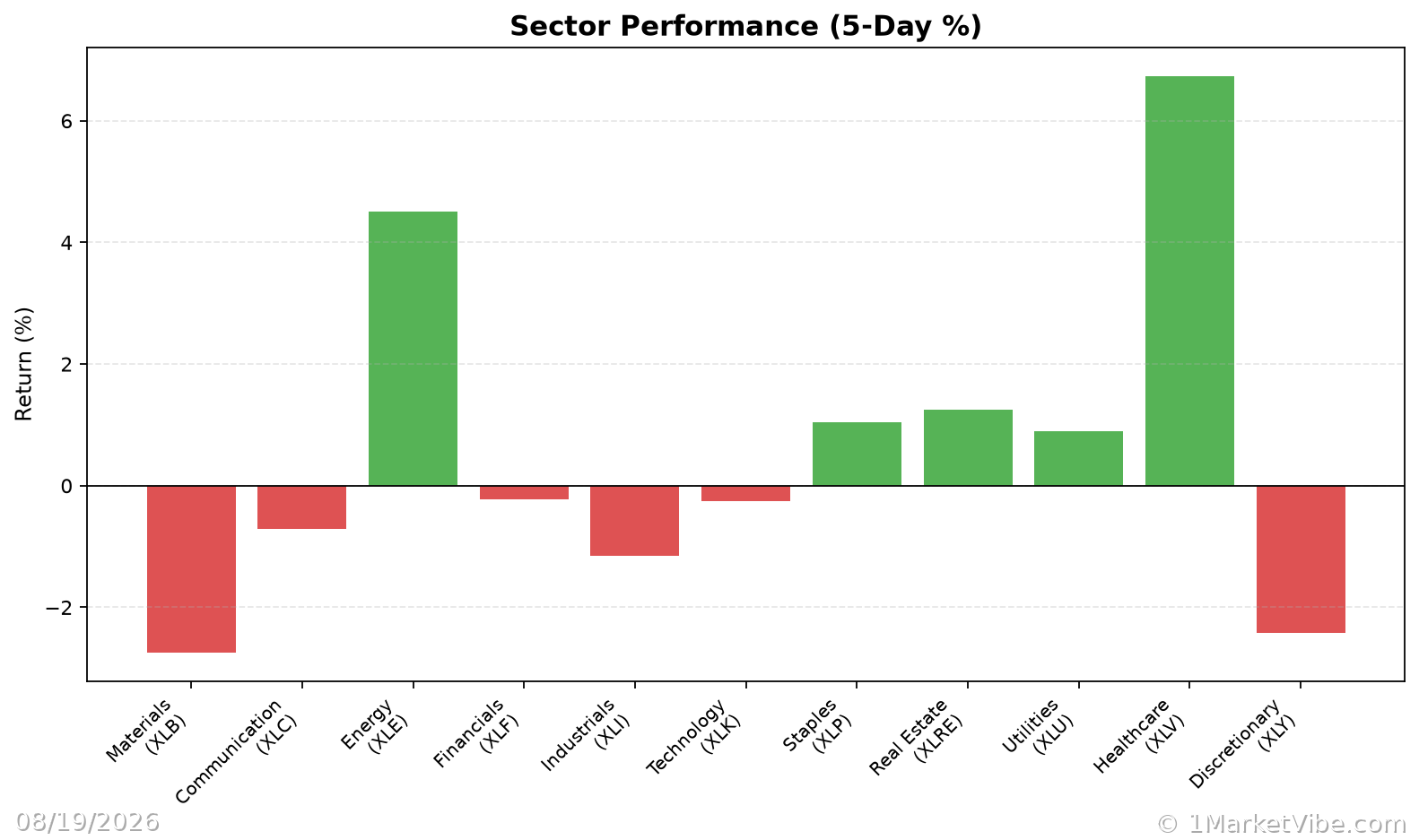
Investors are increasingly looking at alternative asset classes, such as equities or commodities, to hedge against inflation and rising rates. This rotation can be observed through MarketVibe's Sector Scores, which highlight leadership changes and sector rotations. For instance, sectors like energy and technology may gain favor as investors seek growth opportunities amid economic uncertainty.
Global Implications: Ripple Effects on Markets and Economies
The bond rout has far-reaching implications for global markets and economies. Rising yields can lead to higher borrowing costs for emerging markets, potentially exacerbating financial vulnerabilities. Additionally, corporate borrowing becomes more expensive, impacting business investment and growth prospects.
Emerging Markets and Corporate Borrowing
Emerging markets, often reliant on external financing, may face increased pressure as global borrowing costs rise. This scenario can lead to currency depreciation and capital outflows, further destabilizing these economies. Similarly, corporations with significant debt loads may struggle to refinance at favorable rates, affecting their profitability and expansion plans.
Future Considerations: Navigating Ongoing Volatility
As the bond market continues to evolve, investors must remain vigilant and adaptable. Monitoring key indicators, such as MarketVibe's Crash Warning Index (CWI) and % Above 50-DMA, can provide valuable insights into market conditions and risk levels.
What to Watch For in the Bond Market
Investors should pay attention to economic data releases, central bank policy announcements, and geopolitical developments that could influence bond yields. Additionally, tracking ATR% (Average True Range percentage) can help gauge market volatility and potential price movements.
Practical Process Guidance: Using MarketVibe Metrics
To effectively navigate the current bond market environment, traders can incorporate MarketVibe's metrics into their decision-making processes. Here are some practical guidelines:
- Monitor Breadth and Volatility: When breadth is weak and CWI is high, it may be prudent to emphasize defensive strategies and reduce new risk exposure.
- Adapt to Market Regimes: Use the Market Dashboard to identify high-level regime labels, then confirm with internal metrics like A/D Net and NH–NL (New High–New Low) expansion.
- Adjust Risk Posture: In periods of strong breadth and leadership, consider increasing exposure if your setups align with market conditions.
Common Misuses and Misconceptions
While MarketVibe's metrics provide valuable insights, they are not standalone signals. Here are some common misuses to avoid:
- Overreliance on Single Indicators: Avoid treating any metric as a definitive entry or exit signal. Instead, use them to inform your overall risk posture.
- Ignoring Context: Consider the broader market context, including sector rotations and macroeconomic trends, when interpreting metrics.
- Reacting to Short-Term Changes: Focus on sustained trends rather than reacting to daily fluctuations, which can lead to overtrading and increased risk.
To see these breadth and risk metrics in one place each day, you can use the Decision Edge dashboard at 1marketvibe.com.
DISCLAIMER: This article is for informational purposes only and should not be considered financial advice. Always conduct your own research and consult with a financial advisor before making investment decisions.