

Fed's Rate Hike Dilemma Amid Political Pressure
In today's complex economic landscape, the Federal Reserve's decisions on interest rates are under intense scrutiny. Political pressures, particularly from influential figures like former President Donald Trump, add another layer of complexity to the Fed's already challenging task. Understanding how these dynamics interact with market indicators can help traders navigate the current environment more effectively.
Current Economic Landscape
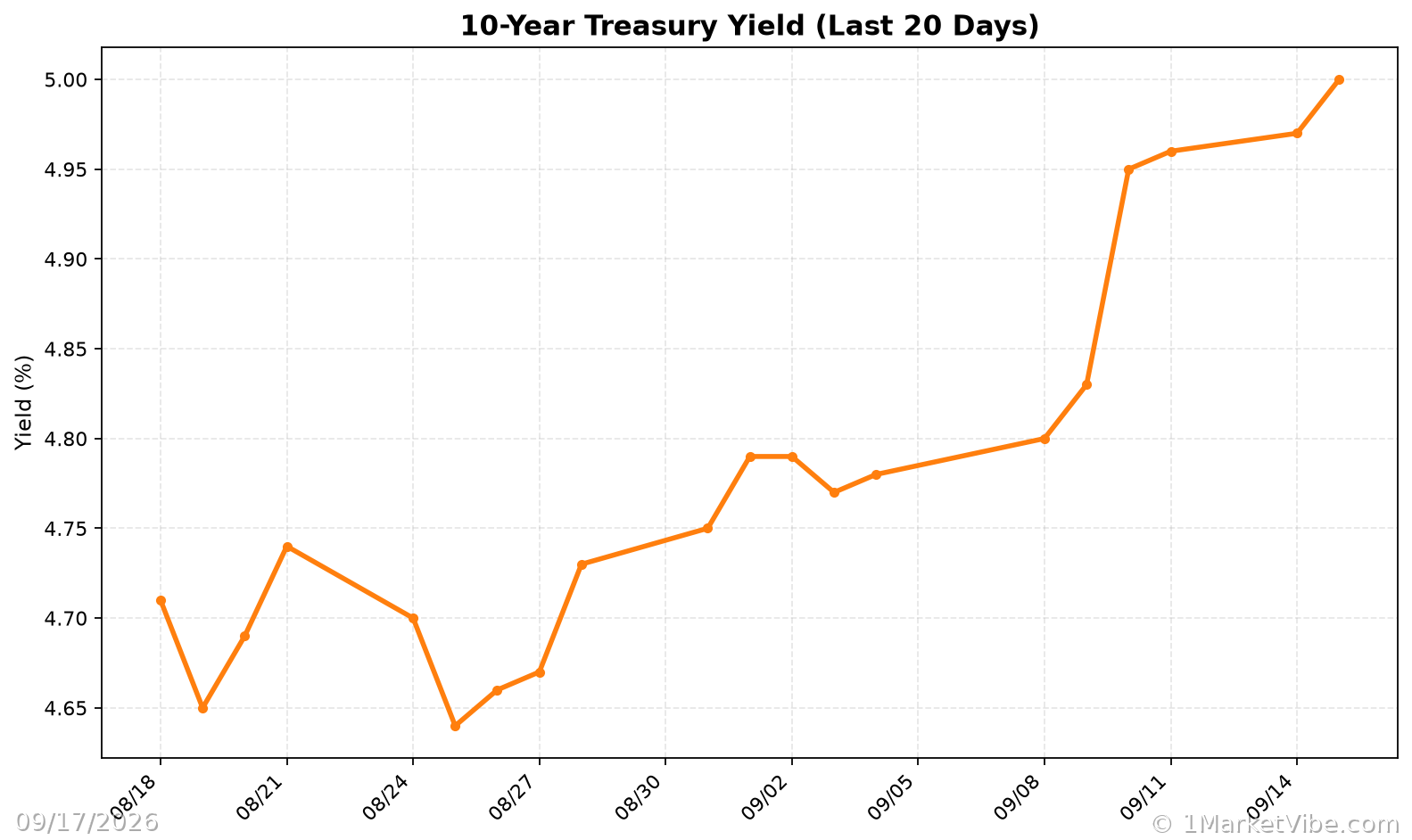
The U.S. economy is experiencing a period of heightened uncertainty. The 10-year Treasury yield recently hit its highest level since 2007, surpassing 5%. This rise in yields increases borrowing costs, potentially exposing vulnerabilities in sectors like housing and commercial real estate. As these sectors adjust to higher rates, the broader market faces increased risk.
Political Pressures on the Fed
Political figures often exert pressure on the Federal Reserve to adjust interest rates to align with their economic agendas. For instance, former President Trump has been vocal about his preference for lower rates to stimulate growth. However, the Fed's primary mandate is to manage inflation and maintain employment, which can sometimes conflict with political desires.
Market Reactions to Rate Hikes
When the Fed raises rates, it signals a tightening of monetary policy, which can lead to increased market volatility. Traders need to be aware of how these rate hikes affect market dynamics. MarketVibe's Crash Warning Index (CWI), currently reading 6.4, indicates elevated risk levels, suggesting that corrections are more likely in the near term.
Impact of Rising Treasury Yields
Rising Treasury yields have a cascading effect on various market sectors. Higher yields lead to increased mortgage rates, which can dampen housing market activity. This, in turn, affects homebuilders, mortgage originators, and related industries. As borrowing costs rise, companies with significant debt may face financial strain, impacting their stock performance.
Expert Opinions on Fed Actions
Many economists argue that the Fed should continue raising rates to combat inflation, despite political pressures. The Financial Times reports that a majority of economists believe rate hikes are necessary to maintain economic stability. This stance aligns with the CWI's warning signals, emphasizing the need for caution in the current environment.
Potential Risks of Rate Hikes
While raising rates can help control inflation, it also poses risks. Higher rates increase the cost of borrowing, which can lead to reduced consumer spending and slower economic growth. Additionally, sectors heavily reliant on debt may struggle to refinance at higher rates, potentially leading to defaults and financial instability.
Real-World Scenarios
Scenario 1: Topping Environment
Imagine a scenario where the market index continues to rise, but the % Above 50-DMA metric shows a declining number of stocks trading above their 50-day moving averages. This divergence can indicate a weakening market foundation, suggesting that a correction may be imminent. Traders might feel tempted to chase the rally, but a more informed approach would emphasize caution and risk management.
Scenario 2: Strong Bull Leg
In a strong bull market, the % Above 50-DMA surges and remains elevated, indicating broad participation in the rally. This scenario suggests a healthy market environment where traders can consider increasing exposure, provided their setups align with broader market trends.
Scenario 3: Volatility Spike
During periods of heightened volatility, the ATR% metric spikes, reflecting increased price swings. In such environments, the CWI may also rise, signaling elevated risk. Traders should consider reducing position sizes and employing hedging strategies to protect against potential losses.
How to Use This Insight in a Process
To effectively incorporate these insights into your trading process, consider the following guidelines:
- Emphasize Defense: When breadth is weak and the CWI is high, prioritize defensive strategies and reduce new risk exposure.
- Broaden Exposure: When breadth and leadership metrics improve, be open to adding exposure, but only if your setups are favorable.
- Use Market Dashboard: Leverage MarketVibe's Decision Edge dashboard to assess the overall market regime and confirm internal metrics.
Common Misuses & Misconceptions
Traders often misuse market metrics by:
Treating Metrics as Stand-Alone Signals: Metrics like the CWI should not be used in isolation. Always consider the broader market context and other supporting indicators.
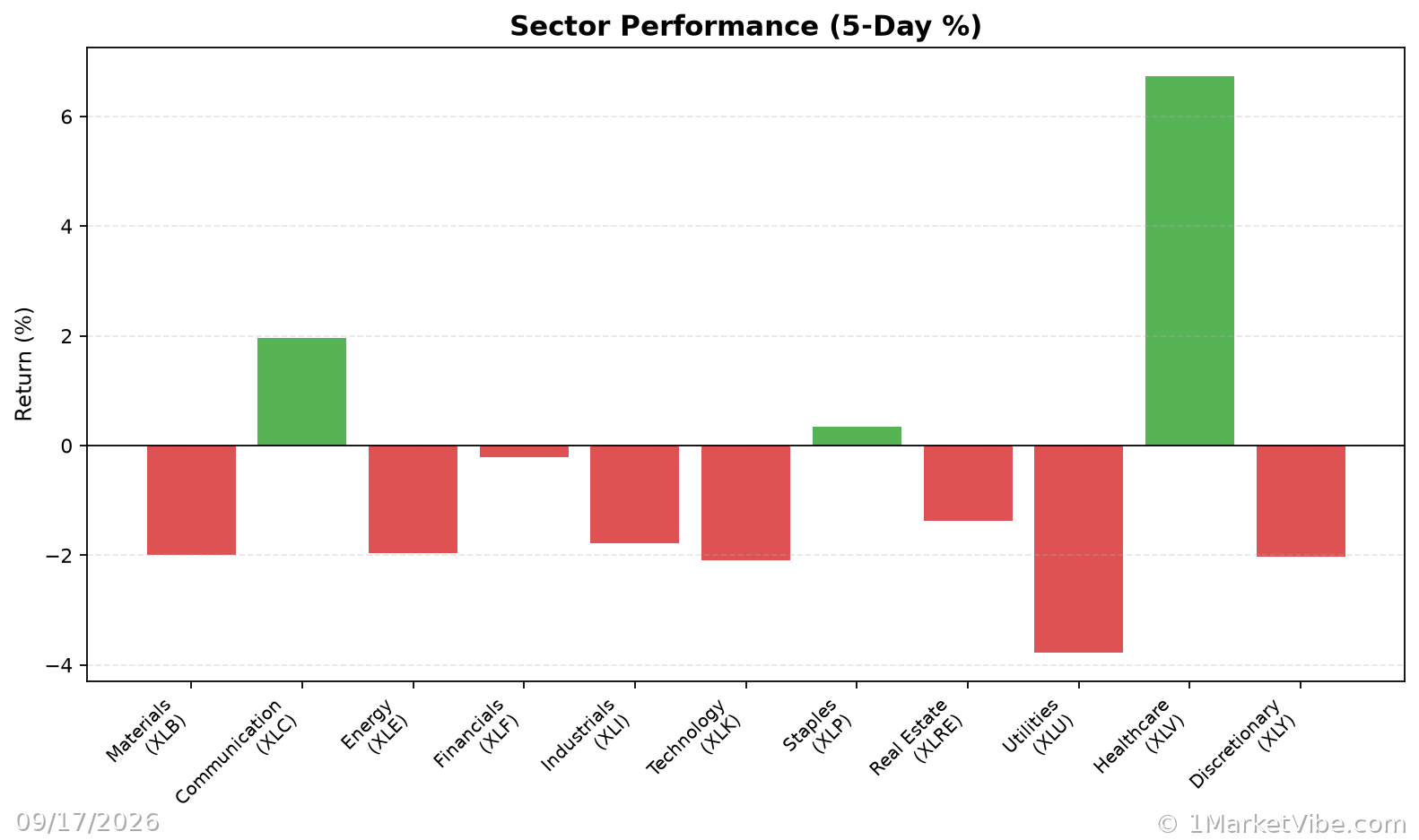
Ignoring Sector Rotation: Market dynamics can vary significantly across sectors. Pay attention to sector performance and rotation to gain a comprehensive view.
- Overreacting to One-Day Changes: Avoid making hasty decisions based on short-term fluctuations. Focus on longer-term trends and patterns.
By understanding these nuances, traders can make more informed decisions and improve their market intuition.
To see these breadth and risk metrics in one place each day, you can use the Decision Edge dashboard at 1marketvibe.com.
DISCLAIMER: This article is for informational purposes only and does not constitute financial advice. Market conditions can change rapidly, and past performance is not indicative of future results.