

CW Index Reaches 7.3 as Geopolitical Tensions Impact Global Markets
- Authors

- Name
- MarketVibe Team
- @1marketvibe
Understanding the Crash Warning Index (CWI) Amid Geopolitical Tensions
In the current market environment, geopolitical tensions have significantly impacted global markets, with the Crash Warning Index (CWI) reaching a notable level of 7.3. This article aims to explain what the CWI is, why it matters to traders, and how it can be used as part of a structured trading process.
What is the Crash Warning Index (CWI)?
The Crash Warning Index (CWI) is a composite metric designed to signal heightened risk of market corrections or crashes. It aggregates several dimensions of market risk, including breadth, volatility, and defensive behavior. Traders should care about the CWI because it provides an early warning system for potential market downturns, helping to inform risk management decisions and reduce blind spots in market analysis.
Why Traders Should Care
- Informs Risk Management: The CWI can guide traders in adjusting their risk exposure, particularly when the index signals elevated risk.
- Reduces Blind Spots: By considering multiple dimensions of market risk, the CWI provides a more comprehensive view than any single indicator.
- Structured Process: Rather than acting as a standalone signal, the CWI should be integrated into a broader trading strategy, complementing other market indicators.
How the CWI Works
The CWI is constructed by combining several key market metrics:
- Breadth Indicators: These measure the number of stocks participating in a market trend, such as the percentage of stocks above their 50-day moving average.
- Volatility Measures: Metrics like the Average True Range (ATR%) assess market volatility relative to price.
- Defensive Behavior: Observations of sector rotation into defensive sectors like utilities or consumer staples.
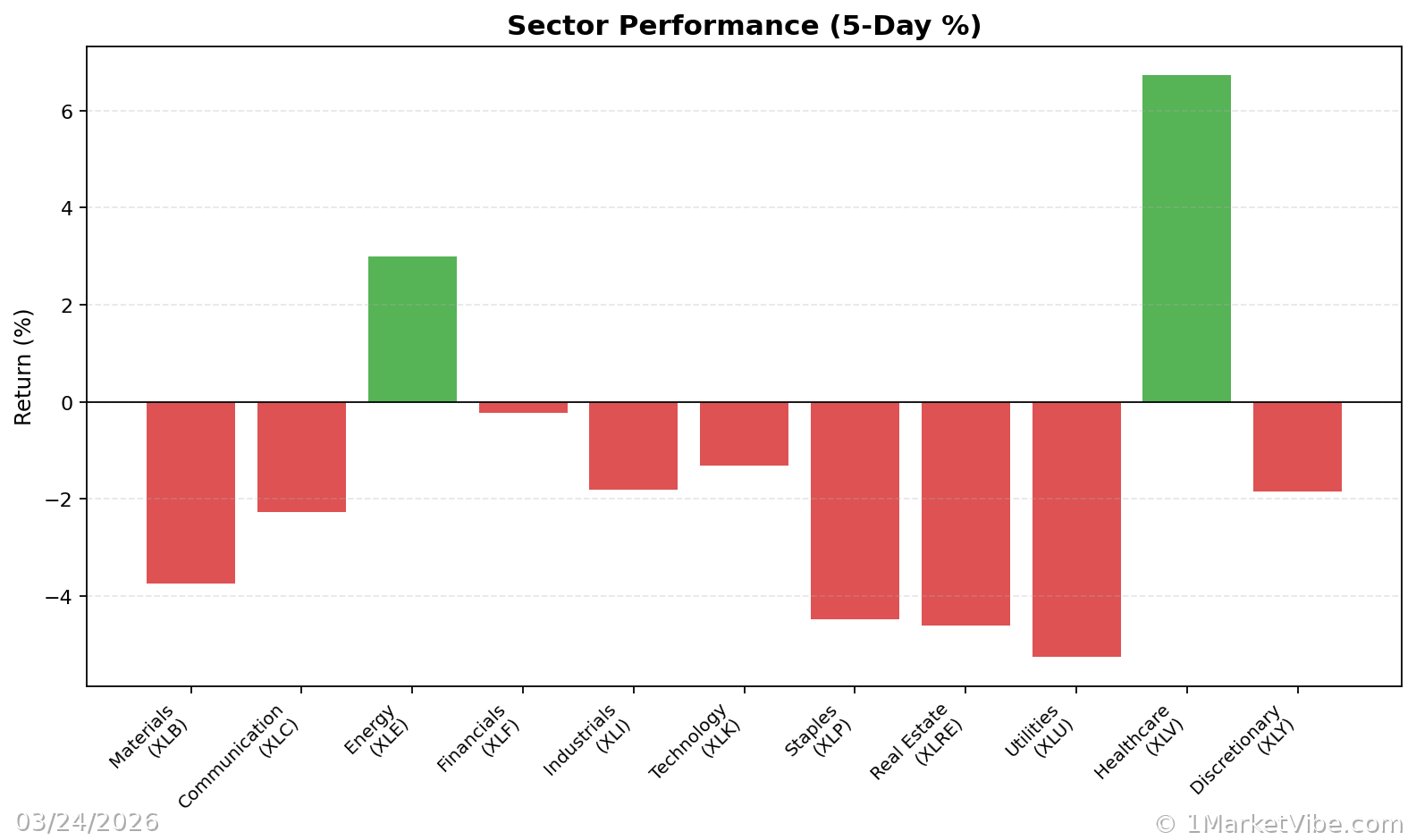
The CWI moves based on changes in these underlying components. For example, a sharp increase in market volatility or a significant drop in breadth can push the CWI higher.
Interpreting the CWI
CWI Levels and Their Implications:
- Below 3: Generally indicates a stable market environment with low risk of a crash.
- Between 3 and 6: Suggests caution, as risk levels are rising but not yet extreme.
- Above 6: Signals elevated risk, where market corrections become more likely.
When the CWI is above 6 for several days, it often aligns with periods of increased market stress, such as geopolitical tensions or economic uncertainty.
Real-World Scenarios
Scenario 1: Geopolitical Tensions and Market Volatility
In the current situation, geopolitical tensions involving Iran have led to increased market volatility. As a result, the CWI has reached 7.3, indicating a heightened risk of a market correction. Traders might feel tempted to panic-sell or drastically alter their portfolios. However, a more informed approach would involve:
- Monitoring Position Sizing: Reducing exposure to high-risk assets while maintaining a balanced portfolio.
- Considering Hedging Strategies: Using options or other derivatives to protect against downside risk.
Scenario 2: Breadth Deterioration in a Topping Market
Imagine a scenario where major indices continue to rise, but fewer stocks are participating in the rally. The CWI might rise due to deteriorating breadth, even if volatility remains low. Traders should:
- Emphasize Defensive Sectors: Rotate into sectors that historically perform well during downturns.
- Stay Alert for Reversals: Be prepared for potential market corrections if breadth does not improve.
How to Use the CWI in a Trading Process
- Emphasize Defense When CWI is High: When the CWI is elevated, focus on capital preservation and limit new risk exposure.
- Be Open to Opportunities When Breadth and Leadership Improve: If the CWI decreases and breadth indicators strengthen, consider increasing exposure to growth sectors.
- Use the Market Dashboard for Context: The Decision Edge Dashboard provides a high-level view of market conditions, which can be cross-referenced with the CWI for a comprehensive risk assessment.
Common Misuses and Misconceptions
Treating CWI as a Standalone Signal: The CWI should not be used in isolation. Always consider it alongside other market indicators and within the context of your trading strategy.
Ignoring Sector Rotation: Failing to account for shifts in sector leadership can lead to misinterpretation of the CWI's signals.
Overreacting to One-Day Changes: The CWI is more reliable when trends persist over several days. Avoid making hasty decisions based on short-term fluctuations.
Neglecting Time Frame: The CWI is more suited for medium to long-term risk assessment rather than short-term trading decisions.
To see these breadth and risk metrics in one place each day, you can use the Decision Edge dashboard at 1marketvibe.com.
DISCLAIMER: The information provided in this article is for educational purposes only and should not be considered as financial advice. Always conduct your own research or consult a financial advisor before making investment decisions.