
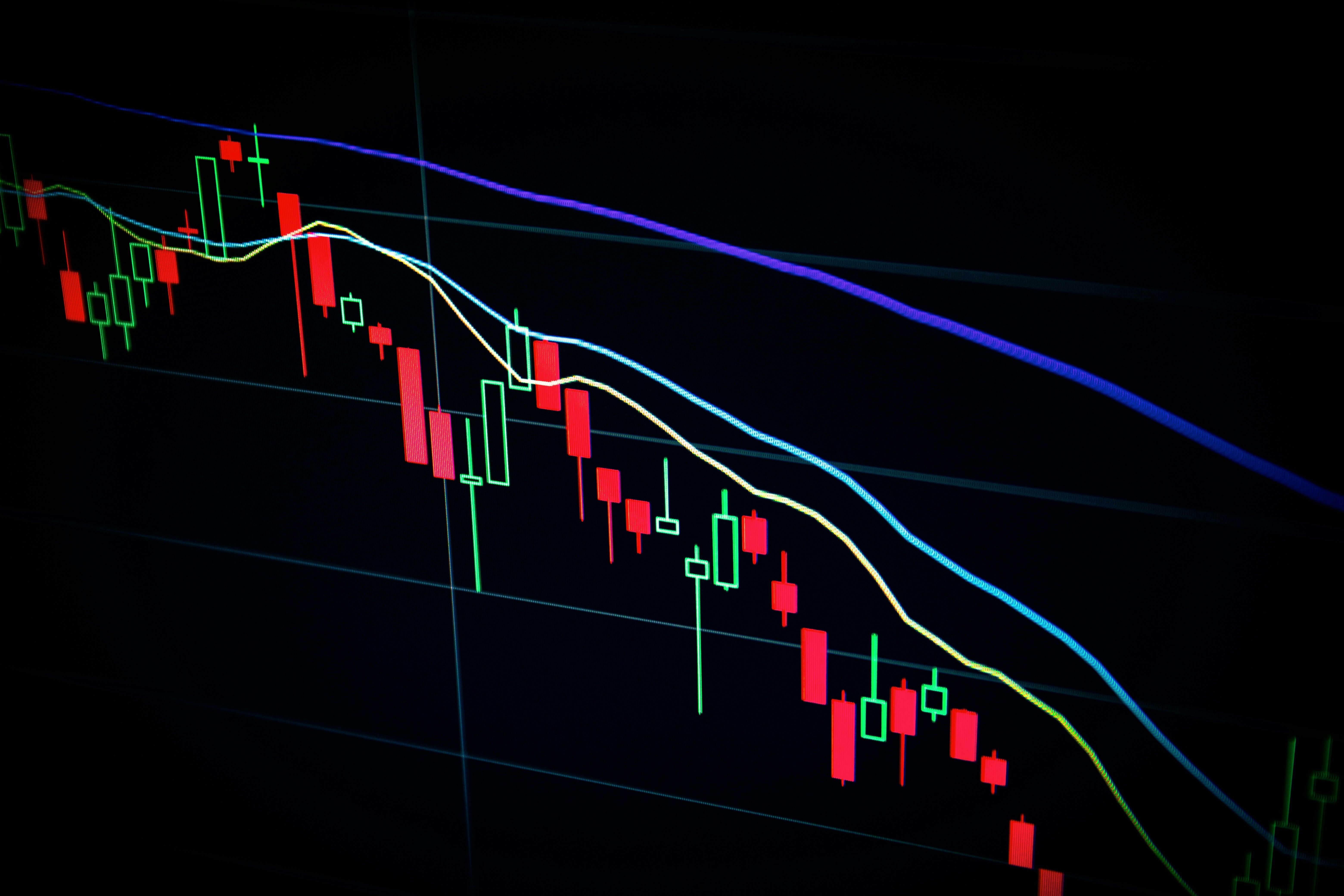
The Importance of an Evergreen Playbook for Business Growth
- Authors

- Name
- MarketVibe Team
- @1marketvibe
Strategy Context
In today's fast-paced trading environment, having an evergreen playbook is crucial for sustained business growth. This strategy is designed for swing and position traders who need a reliable framework to navigate various market conditions. An evergreen playbook helps traders maintain discipline, avoid common behavioral pitfalls like FOMO and oversizing, and adapt to changing market structures and volatility regimes. By leveraging MarketVibe's tools, traders can create a robust system that supports consistent decision-making and risk management.
The Strategy: Step-by-Step
Assess Market Conditions
- Use the Decision Edge Dashboard to get a clear snapshot of current market risk, breadth, and momentum. This will guide your initial stance—whether to be aggressive or defensive.
- Check the Crash Warning Index (CWI). If it's above 6, the market is in a high-risk state, and you should reduce position sizes and tighten stops. If it's below 3, conditions are stable, allowing for normal risk exposure.
Identify Sector Leadership
- Use Sector Scores to pinpoint leading sectors. Focus on sectors with scores above 70 as they indicate strong performance and potential for continued growth.
- If a sector score improves from 62 to 70, consider increasing exposure to that sector, but ensure it aligns with your overall market view.
Evaluate Breadth and Trend Health
- Look at the % Above 50-DMA to gauge trend health. A rising percentage, such as from 38% to 47%, suggests strengthening breadth and potential for bullish setups.
- Use A/D Net and New High–New Low indicators to confirm internal strength. Positive trends in these indicators support bullish positions.
Adjust for Volatility
- Monitor the ATR% to understand the current volatility regime. If ATR% is above 1.2, widen your stops by 10–20% to accommodate increased price swings, and reduce trade frequency to avoid overtrading.
Execute with Precision
- Utilize the Daily Edge execution panel to define your action range with a Price Low and Price High. For example, set a Price Low of $150 and a Price High of $155 for a potential buy zone.
- Include notes such as "watch 50DMA" or "earnings pullback" to remind yourself of key considerations during execution.
MarketVibe Feature Integration
- Decision Edge Dashboard: Provides a comprehensive view of market risk and momentum, essential for setting your initial strategy stance.
- Market Dashboard: Guides behavior based on market state—Bullish for offense, Warning for defense, and At-Risk for caution.
- Crash Warning Index (CWI): Adjusts risk parameters based on market stress levels.
- Sector Scores: Identifies sector leadership to focus trading efforts on strong performers.
Real-World Example
Imagine the % Above 50-DMA is rising from 38% to 47%, indicating improving trend health. The CWI is at 5.4, and the Market Dashboard is in a Neutral state. The Tech Sector Score improves from 62 to 70, suggesting potential leadership.
- With these conditions, you decide to enter a tech stock trade.
- Use the Daily Edge panel to set a buy zone with a Price Low of $150 and a Price High of $155.
- Given the ATR% is trending above 1.15, you widen your stop by 15% to accommodate volatility, setting it at $145.
Common Pitfalls
- Ignoring Market Conditions: Failing to adjust strategy based on the CWI can lead to oversized positions in high-risk environments.
- Overtrading in Volatile Markets: Not adjusting trade frequency when ATR% is high can result in unnecessary losses.
- Sector Misalignment: Trading against sector trends can lead to poor performance. Always align trades with strong sector scores.
Optional Framework Section
📋 PLAN
- Entry Rules: Enter trades when % Above 50-DMA is rising, and sector scores are strong.
- Risk Parameters: Adjust based on CWI and ATR% readings.
- Indicators to Check: Decision Edge, Market Dashboard, Sector Scores.
⚡ EXECUTE
- Trigger Conditions: Use Daily Edge to define buy/sell zones.
- Order Execution: Follow the defined action range and notes.
📊 MONITOR
- Track: Monitor breadth indicators and sector scores.
- Tighten Stops: Adjust stops based on ATR% changes.
- Exit: Reassess if market conditions change significantly.
Playbook Checklist
□ Clear tactical objective — Achieve consistent growth by aligning trades with market conditions and sector leadership.
□ Specific entry rules and thresholds — Enter trades when % Above 50-DMA is rising, sector scores are above 70, and CWI is below 6.
□ Risk rules with numbers — Use ≤2% risk per trade when CWI is above 6.0; adjust stops by 10–20% if ATR% is above 1.2.
□ 2–4 MarketVibe references — Utilize Decision Edge, Market Dashboard, CWI, and Sector Scores for strategy validation.
□ Real example with numbers — Tech sector trade with entry at $150–$155, stop at $145, based on improving sector score and ATR%.
□ Common pitfalls — Avoid ignoring market conditions and overtrading in volatile environments.
□ Execution checklist — Define action range, set stops, and monitor key indicators for disciplined trading.
If you’d like a structured way to monitor these signals and run your daily plan, MarketVibe provides dashboards and execution tools at 1marketvibe.com.
Trading involves risks, and past performance is not indicative of future results. Always conduct your own research and consult with a financial advisor before making trading decisions.