# Stay Objective: Master the Decision Edge Dashboard for Trading Success
## Introduction
In the fast-paced world of trading, staying objective can be a challenge. Emotional reactions to market news and gut feelings often lead to poor decision-making. The Decision Edge dashboard offers a solution by providing a data-driven approach to trading. This playbook will guide you through using this tool to enhance your trading strategy, ensuring your decisions are based on objective data rather than emotional impulses. This guide is ideal for traders of all experience levels who are looking to refine their decision-making process and improve their trading outcomes.
## Understanding Decision Edge
The Decision Edge dashboard is a comprehensive tool that aggregates risk, breadth, and volatility signals to provide traders with a clear picture of market conditions. By analyzing these signals, traders can make informed decisions that align with current market realities rather than speculative predictions. The dashboard's key features include:
- **Risk Signals**: Indicate the level of market risk, helping traders adjust their strategies accordingly.
- **Breadth Signals**: Show the overall market participation, providing insights into market strength or weakness.
- **Volatility Signals**: Reflect market stability or instability, guiding traders on potential price fluctuations.
## The Importance of Objectivity
Relying on headlines and gut feelings can lead to inconsistent trading results. Emotional trading often results in buying high and selling low, which can erode profits. Data shows that traders who rely on objective signals tend to achieve better outcomes. By using the Decision Edge dashboard, traders can avoid common pitfalls associated with subjective decision-making and instead focus on data-driven strategies.
## Workflow Overview
To effectively use the Decision Edge dashboard, follow this step-by-step workflow before making any major trading moves. Consistency in applying this process will help you maintain objectivity and improve your trading results.
## Step 1: Assessing Risk Signals
1. **Access the Risk Signals**: Begin by reviewing the risk signals on the Decision Edge dashboard. These signals provide insights into the current market risk level.
2. **Interpret the Signals**: If the risk signal is high (e.g., above 7.0 on a scale of 1-10), consider reducing your position sizes or avoiding new trades. A low risk signal (e.g., below 3.0) may indicate a more favorable environment for taking on new positions.
3. **Align Trades with Risk Assessments**: Ensure your trades align with the risk signals. For instance, if the risk is high, tighten stop losses to 5% instead of 8% to protect your capital.
## Step 2: Evaluating Breadth Signals
1. **Review Breadth Indicators**: Breadth signals show the extent of market participation. A high breadth signal suggests strong market participation, while a low signal indicates weakness.
2. **Analyze Breadth Data**: Use the breadth data to assess market strength. For example, if the breadth signal shows that 70% of stocks are advancing, it suggests a bullish market environment.
3. **Make Informed Decisions**: Align your trading strategy with breadth signals. In a strong market, consider increasing your exposure to equities. In a weak market, focus on defensive sectors or reduce exposure.
## Step 3: Monitoring Volatility Signals
1. **Check Volatility Indicators**: Volatility signals provide insights into market stability. High volatility indicates potential price swings, while low volatility suggests stability.
2. **Respond to Volatility Changes**: Adjust your trading strategy based on volatility signals. In high volatility, consider using options to hedge positions or reduce leverage.
3. **Track Volatility Indicators**: Monitor indicators such as the VIX index. A rising VIX may signal increasing market fear, prompting a more cautious approach.
## Real-World Example
Imagine you're considering a new trade in the tech sector. The Decision Edge dashboard shows a risk signal of 8.0, a breadth signal indicating only 40% of stocks are advancing, and a high volatility signal. Based on this data:
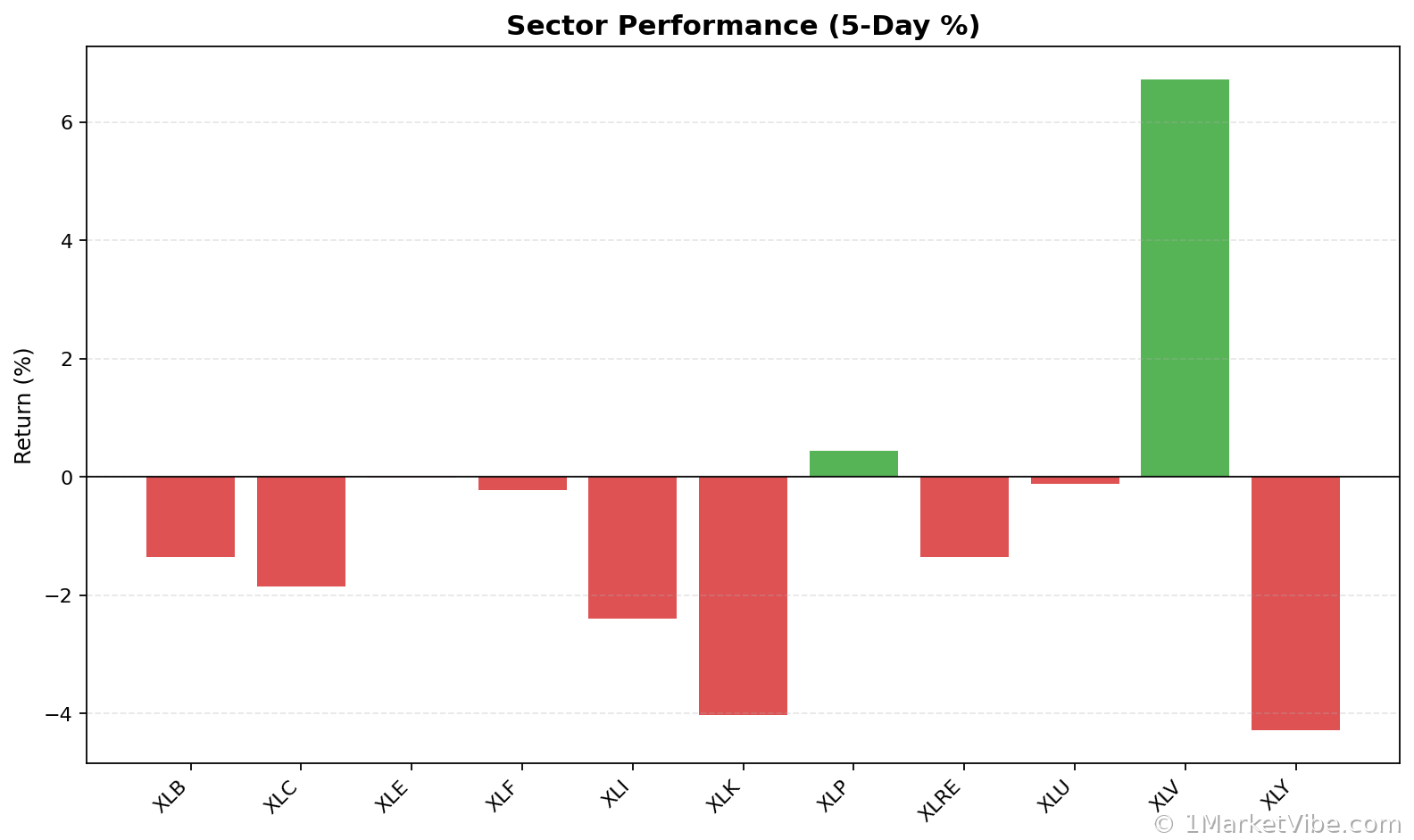
- **Risk Assessment**: The high risk signal suggests caution. You decide to reduce your position size to 1% of your portfolio.
- **Breadth Evaluation**: The weak breadth signal indicates limited market strength. You opt to wait for a more favorable environment.
- **Volatility Monitoring**: With high volatility, you choose to use options to hedge your existing positions.
## Common Pitfalls
- **Ignoring Signals**: Failing to heed the dashboard's signals can lead to poor trading outcomes. Always align your trades with the data.
- **Overreacting to Volatility**: High volatility can tempt traders to exit positions prematurely. Use volatility signals to adjust strategies, not to panic.
- **Inconsistent Application**: Applying the workflow sporadically undermines its effectiveness. Consistency is key to success.
## Your Playbook Checklist
□ **Review Risk Signals**: Check the risk level before trading.
□ **Evaluate Breadth Signals**: Assess market participation.
□ **Monitor Volatility**: Adjust strategies based on market stability.
□ **Align Trades with Data**: Ensure trades are data-driven.
□ **Consistency**: Apply the workflow consistently for best results.
## Conclusion
By mastering the Decision Edge dashboard, traders can enhance their objectivity and improve their trading outcomes. This tool provides a structured approach to decision-making, reducing the influence of emotions and increasing reliance on data. Adopt this workflow to stay aligned with market realities and achieve trading success.
For more insights and tools to enhance your trading strategy, visit [1marketvibe.com](https://1marketvibe.com). Access a complete strategy toolkit and more tactical playbooks at [1marketvibe.com](https://1marketvibe.com).
_Disclaimer: This analysis is for informational purposes only and does not constitute investment advice. Market conditions can change rapidly and unpredictably._