
US Wholesale Prices Rise 4% Amid Iran Conflict and Inflation Concerns
- Authors

- Name
- MarketVibe Team
- @1marketvibe
Breaking News: US Wholesale Prices Rise 4% Amid Iran Conflict and Inflation Concerns
April 15, 2026 — In a significant economic development, U.S. wholesale prices surged by 4% last month, driven by escalating energy costs amid the ongoing conflict in Iran. The Labor Department's report, released today, highlights the largest year-over-year increase in wholesale prices in over three years. This spike is primarily attributed to an 8.5% rise in energy prices from February, underscoring the direct impact of geopolitical tensions on the U.S. economy.
Why It Matters
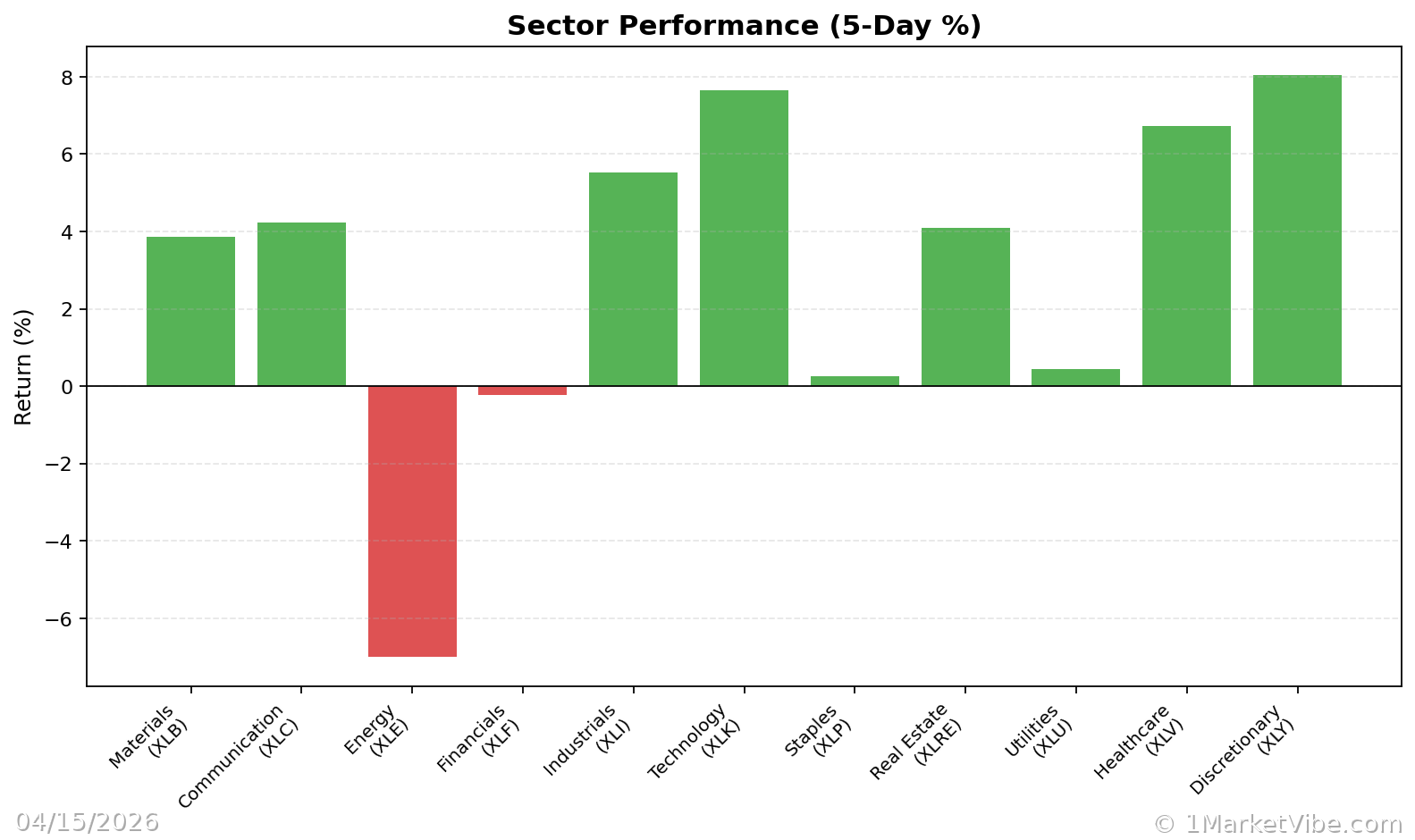
For investors, this surge in wholesale prices signals potential inflationary pressures that could ripple through the economy. The immediate market impact saw mixed reactions, with the Dow Jones index rising on the back of inflation data, while other sectors showed volatility. The broader implications are significant, as rising wholesale prices often precede increases in consumer prices, potentially affecting purchasing power and consumer sentiment. The Federal Reserve faces a challenging environment, balancing the need to control inflation with pressures to adjust interest rates.
Context & Background
Historically, geopolitical conflicts, such as the Iran war, have led to spikes in energy prices, which in turn influence broader economic indicators. The current situation echoes past events where energy price shocks have contributed to inflationary trends. The conflict in Iran has disrupted oil supplies, leading to increased costs that are now reflected in wholesale price indices. Key stakeholders affected include energy-dependent industries and consumers facing higher costs for goods and services.
What's Next
Investors should closely monitor upcoming economic data releases and Federal Reserve statements for indications of policy shifts. The potential for further interest rate adjustments remains a key focus, as policymakers weigh the risks of inflation against economic growth. Additionally, the International Energy Agency's forecast of a decline in oil demand could influence future price movements. MarketVibe's CW Index, currently at 5.1, suggests a cautious approach, with early warning signals indicating potential volatility.
As the situation develops, investors are advised to stay informed and consider risk management strategies. The evolving geopolitical landscape and its economic repercussions will likely continue to shape market dynamics in the coming months.
Track how markets respond in real-time at 1marketvibe.com.
Disclaimer: This article is for informational purposes only and does not constitute financial advice.
Charts