

UAE Departure Highlights Global Oil Supply Challenges
Breaking News: The United Arab Emirates (UAE) has announced its departure from the Organization of the Petroleum Exporting Countries (OPEC), effective May 1, 2026. This decision comes amid escalating tensions with Iran, which has targeted the UAE with missile and drone attacks, severely impacting its oil export capabilities. The UAE, OPEC's third-largest producer as of February, has been a key player in the organization for nearly six decades.
Why It Matters
The UAE's exit from OPEC is a significant development with immediate implications for global oil markets. Investors are bracing for potential volatility as the UAE seeks greater autonomy in achieving its ambitious production goal of 5 million barrels per day by 2027. The announcement has already caused fluctuations in oil prices, reflecting market uncertainty about future supply dynamics. For investors, this means a heightened risk environment, necessitating close monitoring of market developments and potential adjustments to portfolio strategies.
Context & Background
The UAE's decision follows a comprehensive review of its production policy, driven by the need for more flexibility in response to market dynamics. Historically, the UAE has been a stabilizing force within OPEC, contributing significantly to the group's production strategy. However, recent geopolitical tensions, particularly with Iran's aggressive actions in the Strait of Hormuz, have strained its ability to maintain stable exports. The UAE's Energy Minister, Suhail Al Mazrouei, emphasized that the decision was made to minimize disruption to OPEC and maintain market stability.
Immediate Market Reactions
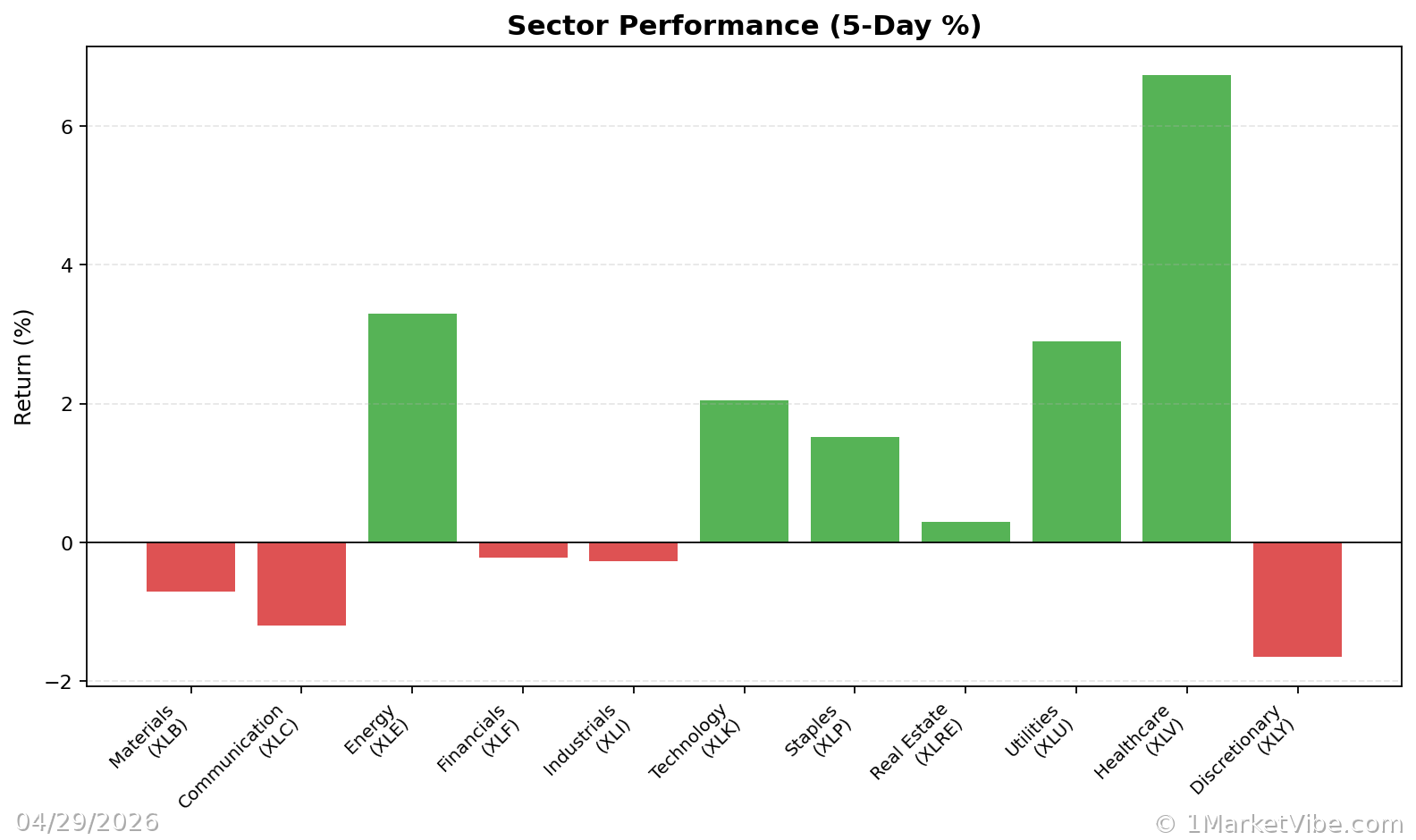
- Oil Prices: Initial market reactions have seen oil prices experience volatility, with traders adjusting positions in anticipation of potential supply changes.
- Trading Volumes: Increased trading volumes have been observed as investors react to the news, reflecting heightened market activity and uncertainty.
- CW Index: MarketVibe's CW Index ticked up to 4.8, indicating a moderate increase in perceived market risk following the announcement.
Impact on Global Oil Supply
The UAE's departure could lead to shifts in global oil supply dynamics. As the UAE pursues its production goals independently, other OPEC members may need to adjust their strategies to maintain market balance. This development could also influence global alliances and trade relationships, particularly in the Middle East, where geopolitical tensions are already high.
Price Predictions and Risks
In the short to medium term, oil prices are expected to remain volatile. Factors such as geopolitical developments, production adjustments by other OPEC members, and global demand fluctuations will play crucial roles in determining price trends. Investors should be cautious and consider potential hedging strategies to mitigate risks associated with price swings.
Geopolitical Implications
The UAE's move could have far-reaching geopolitical implications, affecting regional stability and global energy alliances. Other OPEC members may face pressure to reassess their positions, while global powers with vested interests in Middle Eastern oil could see shifts in their strategic priorities.
Conclusion
The UAE's exit from OPEC marks a pivotal moment in global oil markets, with potential long-term effects on supply, pricing, and geopolitical relations. Investors are advised to stay informed and vigilant as the situation evolves. Track how markets respond in real-time at 1marketvibe.com.
Disclaimer: This article is for informational purposes only and does not constitute financial advice. Always consult with a financial advisor before making investment decisions.
Charts