


U.S. Jobs Data Drives Market Volatility Insights
August 07, 2026 – In a surprising turn, the U.S. Labor Department reported a significant job loss of 75,000 positions in July, marking the first decline in employment figures since the pandemic recovery began. This unexpected contraction has sent ripples through the financial markets, with major indices experiencing heightened volatility. The Dow Jones Industrial Average fell by 1.5% in early trading, while the S&P 500 and Nasdaq also registered declines.
Why It Matters
For investors, this jobs report is a critical indicator of economic health. The immediate market reaction underscores concerns about potential economic instability. A decline in job numbers can signal reduced consumer spending power, potentially impacting corporate earnings and economic growth. Market sentiment has shifted towards caution, with investors reassessing their risk exposure amidst fears of a slowing economy.
Context & Background
Historically, job reports have been pivotal in shaping market expectations and Federal Reserve policies. The current job loss comes after a period of robust employment growth, which had bolstered confidence in the U.S. economic recovery. However, recent global events, including geopolitical tensions and fluctuating oil prices, have contributed to economic uncertainty. Key stakeholders, including policymakers and business leaders, are now closely monitoring these developments.
What's Next
Investors should watch for the Federal Reserve's response to this data. The Fed's messaging, as indicated by Chair Kevin Warsh, remains focused on maintaining a lean approach despite market pressures. Upcoming economic indicators, such as consumer spending and inflation rates, will be crucial in determining the Fed's next steps. Potential scenarios include adjustments in interest rate policies to stabilize the economy.
Market Sentiment & Risk
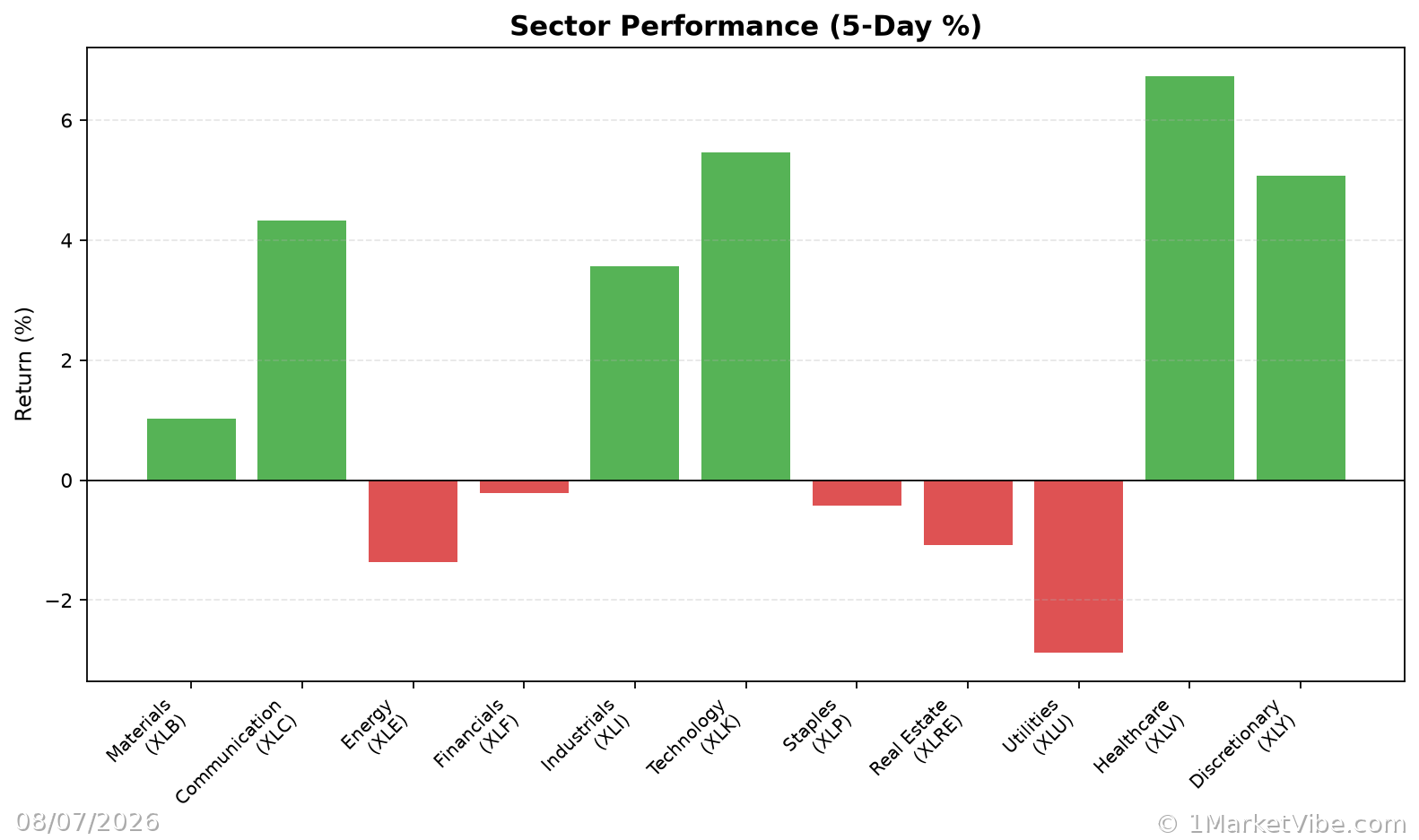
MarketVibe's CW Index, which tracks market risk signals, has ticked up to 4.98, reflecting increased caution among investors. This aligns with the broader risk environment, suggesting that the job loss trend was somewhat predictable. Investors are advised to consider hedging strategies and reassess sector-specific exposures, particularly in consumer-driven industries.
International Influence
The U.S. market's perception is also influenced by international events. For instance, the ongoing conflict in the Middle East and its impact on oil prices could exacerbate economic pressures. Comparatively, other economies facing similar job market challenges are also experiencing volatility, highlighting a global trend of economic uncertainty.
Considerations for Investors
In the near term, investors should remain vigilant. Key considerations include monitoring upcoming economic reports, adjusting portfolio strategies to mitigate risk, and staying informed about potential policy changes. Opportunities may arise in sectors less impacted by consumer spending fluctuations, offering potential for strategic repositioning.
Conclusion
The unexpected job loss has introduced a new layer of complexity to the economic landscape. For investors, this means heightened vigilance and strategic adjustments are necessary to navigate potential volatility. As markets continue to react, staying informed and responsive will be crucial.
Monitor risk signals as this story develops at 1marketvibe.com.
Disclaimer: This article is for informational purposes only and does not constitute financial advice.
Sources:
- U.S. Labor Department
- Financial Times
- Bloomberg