

Rising Inflation and Gas Prices Insights from the CW Index
- Authors

- Name
- MarketVibe Team
- @1marketvibe
Breaking News: Inflation and Gas Prices Surge
May 12, 2026 - In a significant economic development, inflation rates have surged to 6.8%, marking the highest level since 2022. This spike, reported by the Bureau of Labor Statistics, is largely driven by a sharp increase in gas prices, which have climbed to an average of $4.50 per gallon nationwide. This rise in costs is affecting consumers and businesses alike, as the ripple effects are felt across various sectors.
Why It Matters
The immediate market impact is profound. Rising inflation erodes purchasing power, affecting consumer spending and potentially slowing economic growth. For investors, this means increased volatility and uncertainty in the markets. The surge in gas prices adds to operational costs for businesses, particularly in transportation and logistics, which could lead to higher prices for goods and services. MarketVibe's CW Index, a key risk indicator, has ticked up to 5.5, signaling heightened market instability.
Context & Background
Historically, inflationary pressures have been linked to energy price spikes, as seen during the oil crises of the 1970s. The current situation has been exacerbated by geopolitical tensions affecting oil supply chains, coupled with increased demand as economies recover post-pandemic. Key stakeholders, including consumers, businesses, and policymakers, are grappling with these changes. The Federal Reserve's monetary policy decisions will be closely watched as they navigate this complex economic landscape.
What's Next
Investors should monitor upcoming Federal Reserve meetings for potential interest rate adjustments aimed at curbing inflation. Additionally, geopolitical developments in oil-producing regions could further influence gas prices. Analysts suggest that if the CW Index continues its upward trend, it may indicate prolonged market volatility. Potential scenarios include tighter monetary policies and increased market corrections.
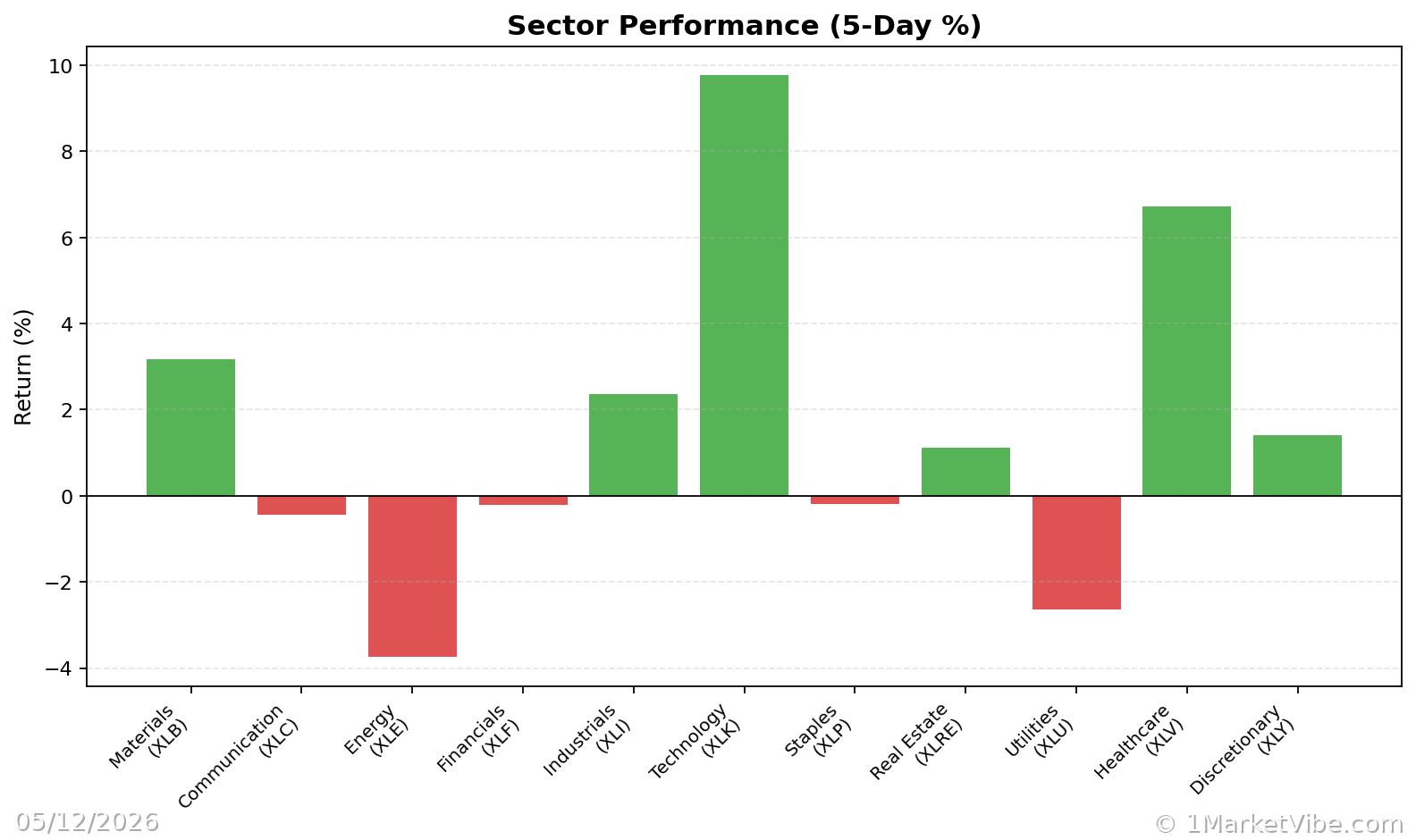
For investors, this means staying informed and agile. Adjusting portfolios to hedge against inflationary risks and considering sector-specific impacts will be crucial. Track how markets respond in real-time at 1marketvibe.com.
Disclaimer: This article is for informational purposes only and does not constitute financial advice. Always consult with a financial advisor before making investment decisions.