
Rebuilding Trust in the Fed: Three Fixed-Income Strategies in Response to Yield Changes
- Authors

- Name
- MarketVibe Team
- @1marketvibe
Rebuilding Trust in the Fed: Three Fixed-Income Strategies in Response to Yield Changes
Immediate Impact
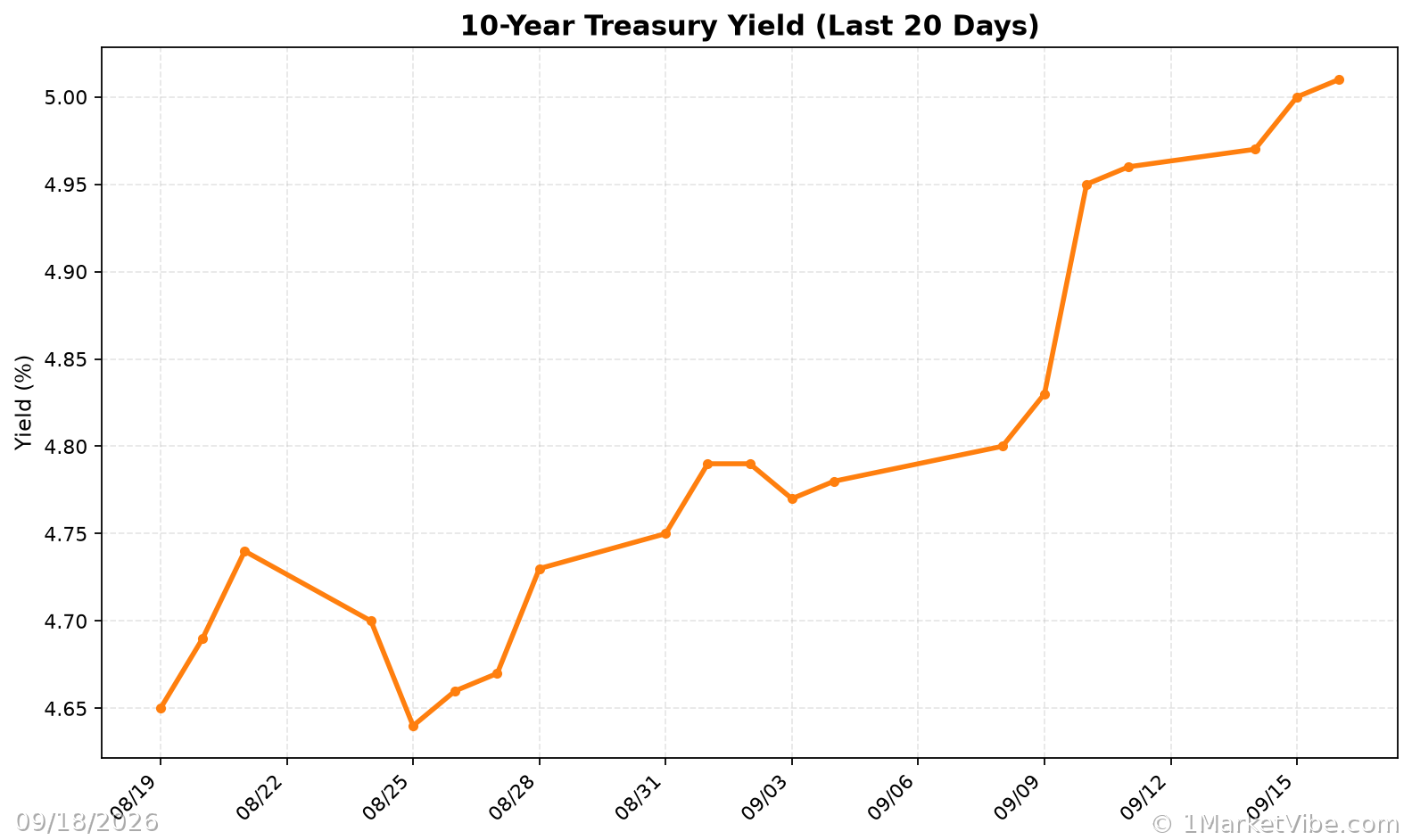
September 18, 2026 – In a pivotal move, U.S. Treasury yields have fallen sharply as the Federal Reserve regains investor trust following a series of strategic communications. This development comes amid the Bank of England's decision to leave interest rates unchanged, further influencing global market dynamics. The 10-year Treasury yield dropped to 3.5%, its lowest since early 2025, signaling a significant shift in investor sentiment towards fixed-income securities.
Why It Matters
For investors, this yield decline represents both a challenge and an opportunity. The immediate market impact is a renewed focus on fixed-income strategies as investors reassess their portfolios in light of changing yield dynamics. The broader implications suggest a potential easing of borrowing costs, which could stimulate economic activity but also compress returns on bonds. The risk sentiment has shifted towards cautious optimism, with MarketVibe's CW Index ticking up to 6.3, indicating a stable yet watchful market environment.
Context & Background
Historically, shifts in Treasury yields have been closely tied to investor confidence in the Federal Reserve's policy direction. The recent yield decline follows a period of uncertainty where investors questioned the Fed's ability to manage inflation without stifling growth. Key stakeholders, including institutional investors and pension funds, are now recalibrating their strategies to align with the Fed's renewed commitment to transparency and stability. This trust rebuilding effort is reminiscent of past periods where clear communication from the Fed helped stabilize market expectations.
What's Next
Investors should closely monitor upcoming Federal Reserve meetings and economic data releases for further clues on interest rate trajectories. Key events to watch include the Fed's next policy announcement in October and the release of the third-quarter GDP figures. Potential scenarios range from continued yield declines, which could spur bond buying, to a stabilization or reversal if inflationary pressures resurface.
Reassessing Fixed-Income Strategies
In response to these yield changes, investors might consider the following strategies:
- Diversification: Spread investments across different maturities and credit qualities to mitigate risk.
- Duration Management: Adjust portfolio duration to align with interest rate expectations.
- Inflation-Protected Securities: Consider Treasury Inflation-Protected Securities (TIPS) to hedge against potential inflation surprises.
Global Context
Globally, the yield trends in the U.S. are mirrored by similar movements in European and Asian markets, where central banks are also grappling with balancing growth and inflation. The interconnectedness of global economies means that U.S. yield changes can have ripple effects, influencing international investment flows and currency valuations.
Market Predictions
While predicting future Fed actions remains speculative, the current sentiment suggests a cautious approach to interest rate hikes. Investors should remain vigilant, as unexpected economic data or geopolitical events could alter the current trajectory. The risks associated with predicting market movements underscore the importance of flexible and adaptive investment strategies.
Conclusion
In summary, the recent decline in U.S. Treasury yields reflects a complex interplay of trust, communication, and market dynamics. For investors, this means reassessing fixed-income strategies to navigate the evolving landscape effectively. As the situation develops, staying informed and responsive will be crucial.
Monitor risk signals as this story develops at 1marketvibe.com.
Disclaimer: This article is for informational purposes only and does not constitute financial advice. Please consult a financial advisor for personalized guidance.
Sources:
- The Wall Street Journal
- Associated Press
- Yahoo Finance
Charts