

OPEC+ Oil Quota Increase and Its Inflationary Impact on Global Markets
- Authors

- Name
- MarketVibe Team
- @1marketvibe
OPEC+ Oil Quota Increase and Its Inflationary Impact on Global Markets
In a pivotal move, OPEC+ announced an increase in oil production quotas for May 2026, despite ongoing conflicts in the Middle East that have severely constrained output. This decision, revealed on April 6, 2026, aims to stabilize global oil markets amid geopolitical tensions. The quota hike is largely symbolic, as actual production remains limited due to logistical challenges in the region.
Why It Matters
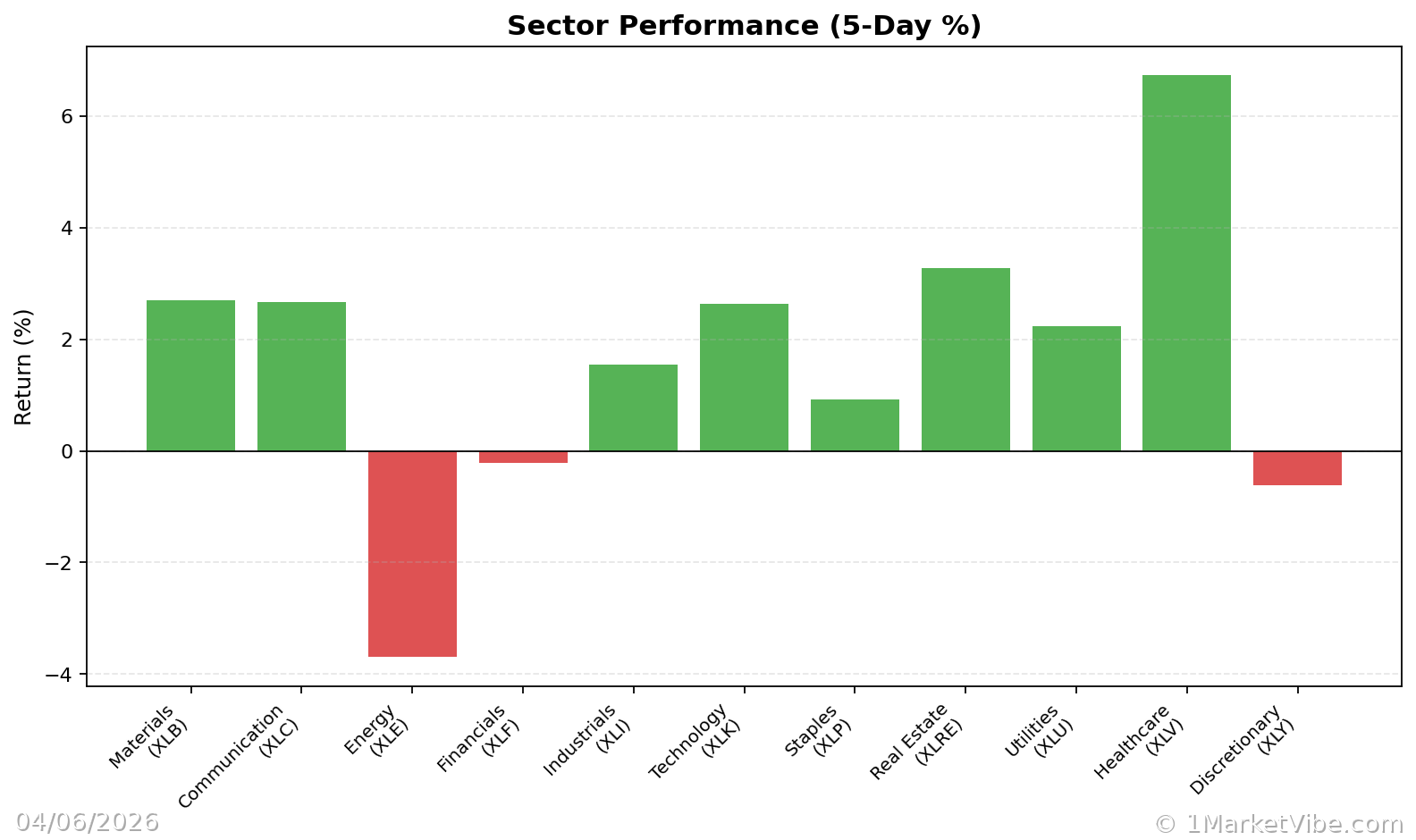
For investors, this development signals potential volatility in the energy sector. The immediate impact is an uptick in oil prices, as markets react to the anticipated shortfall in supply despite the quota increase. This move could exacerbate inflationary pressures globally, as higher oil prices often lead to increased costs across various sectors, from transportation to manufacturing. The broader implications include heightened risk for portfolios heavily weighted in energy-dependent industries.
Context & Background
Historically, OPEC+ has used quota adjustments as a tool to influence oil prices and market stability. The current increase comes at a time when the Middle East conflict has disrupted supply chains, reminiscent of past geopolitical events that led to significant market fluctuations. Key stakeholders affected include major oil-importing nations and industries reliant on stable energy prices. The decision aligns with MarketVibe's CW Index, which recently ticked up to 6.9, indicating heightened market risk.
Impact on Global Energy Markets
- Oil Prices: Expect short-term price increases as markets digest the news.
- Market Stability: Potential for increased volatility as supply constraints persist.
- CW Index: Reflects rising risk environment, suggesting cautious investor sentiment.
Inflationary Pressures
Rising oil prices are a key driver of inflation, impacting everything from consumer goods to transportation costs. As oil becomes more expensive, the ripple effect can lead to increased prices across the board, putting pressure on central banks to adjust monetary policy. Investors should be mindful of these dynamics, as they could influence interest rates and economic growth forecasts.
Geopolitical Considerations
The ongoing Middle East conflict plays a critical role in the current oil supply scenario. OPEC+ member countries are navigating complex geopolitical landscapes, which could further strain international relations and impact global trade. The decision to raise quotas, albeit symbolic, highlights the delicate balance these nations must maintain between economic needs and political realities.
Market Sentiment
Currently, market sentiment remains neutral, with investors cautiously monitoring developments. Industry experts suggest that while the quota increase is unlikely to immediately alleviate supply issues, it serves as a signal of OPEC+'s commitment to market stability. Future trends will depend heavily on geopolitical resolutions and actual production capabilities.
What's Next
Investors should watch for further announcements from OPEC+ regarding production adjustments and any resolutions in the Middle East conflict that could affect supply chains. Key dates include the next OPEC+ meeting and updates from major oil-producing countries on their output capabilities. Potential scenarios range from continued price volatility to stabilization if geopolitical tensions ease.
For real-time updates on market reactions and risk signals, visit 1marketvibe.com.
Disclaimer: This article is for informational purposes only and does not constitute financial advice. Always consult with a financial advisor before making investment decisions.
Sources:
- Bloomberg: OPEC+ Plans Symbolic Oil Quota Hike Amid War
- MarketVibe CW Index Data