
Oil Prices Decline: Implications of U.S.-Iran Deal for Markets
- Authors

- Name
- MarketVibe Team
- @1marketvibe
Oil Prices Decline: Implications of U.S.-Iran Deal for Markets
Breaking News: Crude oil prices have plunged by approximately $5 per barrel following signs of a potential diplomatic breakthrough between the United States and Iran. This development, occurring on May 26, 2026, marks a significant shift in the energy market landscape, as negotiations aimed at easing tensions in the Middle East gain traction.
Why It Matters
For investors, this sudden drop in oil prices signals a potential easing of geopolitical risks that have long influenced market volatility. The immediate impact is a shift in market sentiment, with traders recalibrating their positions in response to the prospect of increased oil supply from Iran. This could lead to broader implications for energy stocks and related sectors, as the market adjusts to the changing geopolitical landscape.
Context & Background
Historically, U.S.-Iran relations have played a pivotal role in global oil supply dynamics. Past negotiations and conflicts have often led to significant fluctuations in oil prices. The current talks, aimed at reviving diplomatic ties and potentially lifting sanctions on Iran, could unlock substantial oil reserves, thereby affecting global supply chains. Key stakeholders, including oil producers and energy-dependent industries, are closely monitoring these developments.
Market Reaction
- Crude oil prices: Dropped by about $5 per barrel.
- Market sentiment: Shifted towards cautious optimism.
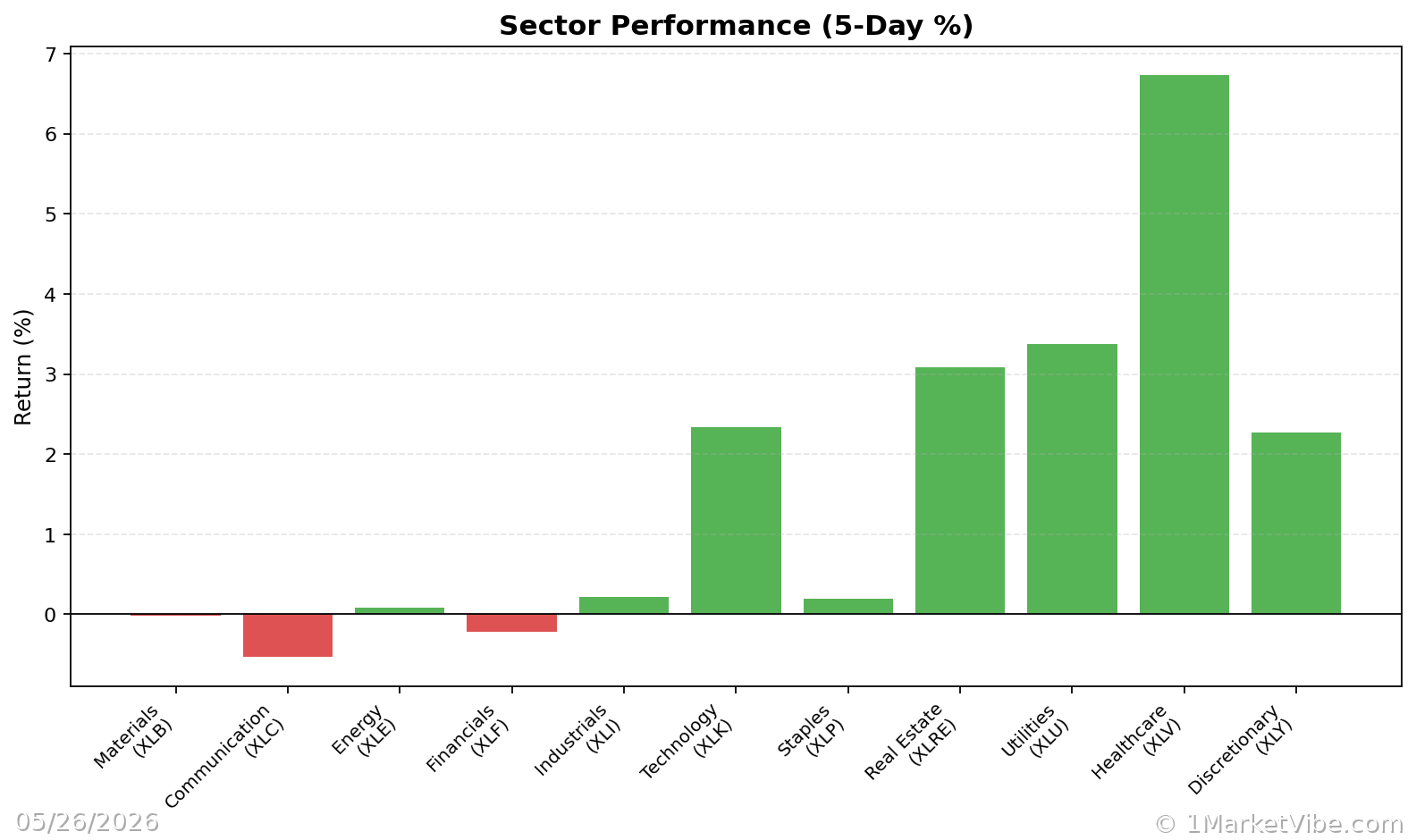
- Energy stocks: Likely to experience volatility as traders adjust positions.
MarketVibe's CW Index, which provides early risk signals, currently reads at 5.1, indicating a predictable trend in response to these geopolitical shifts.
Expert Insights
Analysts urge caution despite the current optimism. While the potential for increased oil supply is real, the geopolitical landscape remains complex. Experts warn of possible price volatility in the coming weeks, especially if negotiations falter or if other geopolitical tensions arise. Investors are advised to remain vigilant and consider the broader geopolitical risks in their investment strategies.
Investment Implications
- Monitor oil market trends: Stay updated on negotiation outcomes.
- Consider geopolitical risks: Factor in potential disruptions.
- Adjust risk exposure: Evaluate portfolio diversification in light of new developments.
What's Next
Investors should watch for further announcements from U.S. and Iranian officials, as these could provide more clarity on the future of oil supplies. The timeline for potential lifting of sanctions remains uncertain, but any concrete developments could lead to further market adjustments. Additionally, traders should be prepared for potential volatility as the situation evolves.
Track how markets respond in real-time at 1marketvibe.com.
Disclaimer: This article is for informational purposes only and does not constitute financial advice. Always consult with a financial advisor before making investment decisions.
Sources:
- Axios: Oil prices sink on signs of U.S.-Iran deal
- OilPrice.com: Expert Says Traders Should Brace for July Jump in Oil Prices
Charts