

Oil Approaches $95 as Middle East Tensions Indicate Market Volatility
- Authors

- Name
- MarketVibe Team
- @1marketvibe
Oil Approaches $95 as Middle East Tensions Indicate Market Volatility
Breaking News: As of September 3, 2026, oil prices have surged to $94.80 per barrel, nearing the critical $95 mark. This spike comes amid escalating tensions in the Middle East, a region historically pivotal to global oil supply. The recent increase in geopolitical unrest has sent ripples through the energy markets, prompting concerns over potential supply disruptions.
Why It Matters
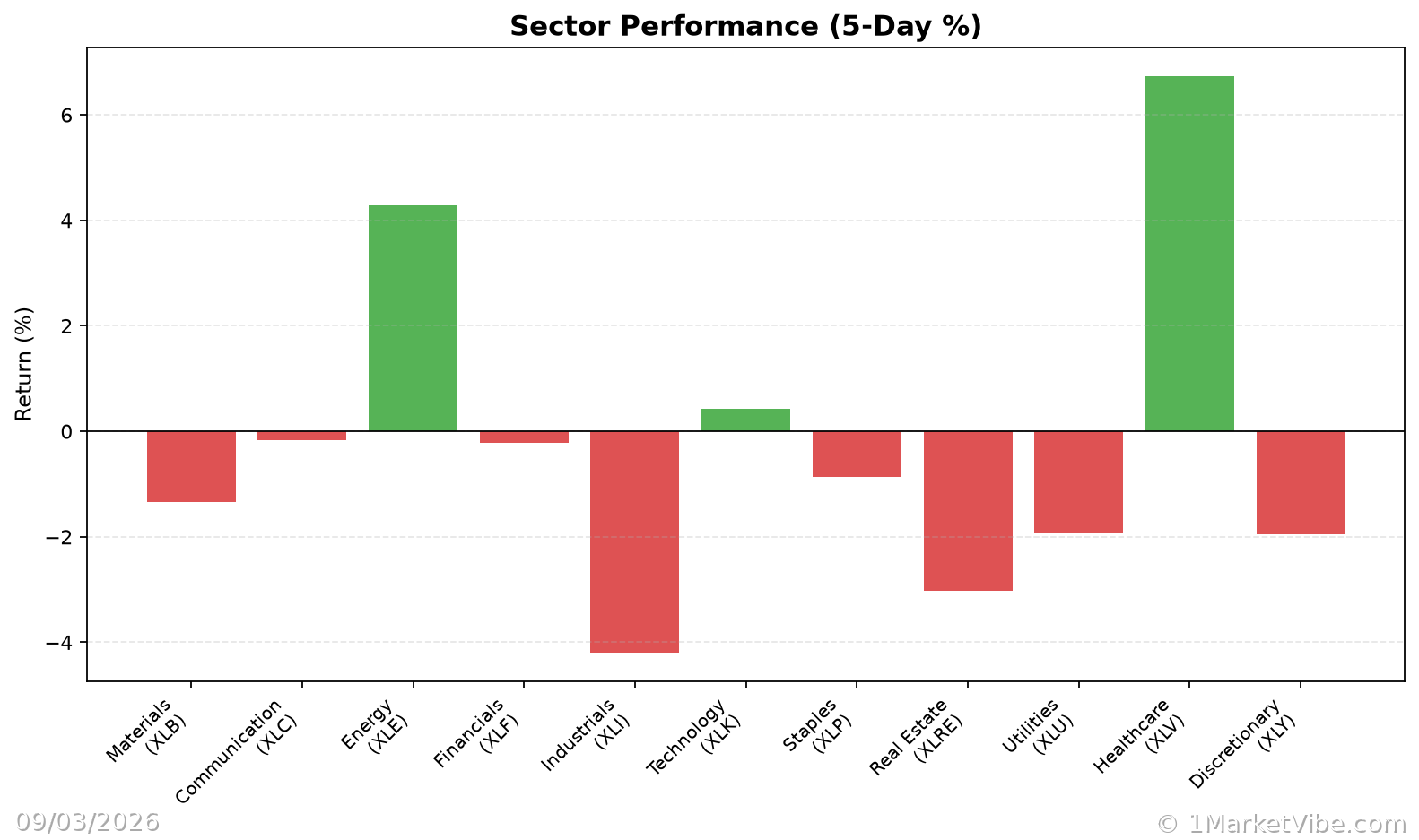
For investors, this surge in oil prices signals a potential shift towards increased market volatility. The immediate impact is evident in the energy sector, where stocks have seen a boost, but the broader market is reacting with caution. Rising oil prices can lead to higher inflation, affecting consumer spending and potentially slowing economic growth. MarketVibe's CW Index, which tracks market risk, has ticked up to 6.0, reflecting heightened investor anxiety.
Context & Background
Historically, tensions in the Middle East have led to significant fluctuations in oil prices. The current situation echoes past events where geopolitical instability resulted in supply chain disruptions and price spikes. Key stakeholders, including major oil producers and global economies reliant on oil imports, are closely monitoring the developments. The region's strategic importance as a major oil supplier means any prolonged conflict could have far-reaching economic consequences.
What's Next
Investors should keep an eye on the unfolding geopolitical situation and its potential impact on oil supply chains. Upcoming diplomatic talks and any changes in production levels from OPEC countries will be critical to watch. Potential scenarios include further price increases if tensions escalate or a stabilization if diplomatic resolutions are reached. The market's response will likely hinge on these developments.
Economic Implications
- Inflation Concerns: Higher oil prices can lead to increased costs for goods and services, putting upward pressure on inflation.
- Sector Impact: Industries heavily reliant on oil, such as transportation and manufacturing, may face increased operational costs.
- Consumer Spending: As fuel prices rise, consumers may reduce discretionary spending, impacting retail and service sectors.
CW Index Insights
MarketVibe's CW Index, known for its early risk signals, has indicated a rise to 6.0, suggesting that the current trend was somewhat predictable. This index serves as a barometer for market sentiment, highlighting the potential for increased volatility in the coming weeks.
Investor Sentiment
Despite the rising oil prices, investor sentiment remains cautiously neutral. Many are adopting a wait-and-see approach, balancing the potential for short-term gains in the energy sector against broader market risks. Strategies such as diversifying portfolios and considering hedging options are being discussed among investors.
Comparative Analysis
Looking back, similar oil price surges have led to mixed market reactions. In previous instances, markets have either absorbed the shock with minimal disruption or experienced significant volatility. The lessons from these past events underscore the importance of monitoring geopolitical developments closely.
Potential Risks
- Sustained High Prices: Prolonged high oil prices could strain global economies, particularly those heavily dependent on oil imports.
- Geopolitical Escalation: Any further escalation in the Middle East could exacerbate market volatility and disrupt global supply chains.
Conclusion
As oil prices approach the $95 threshold, the market is on high alert for potential volatility. Investors are advised to remain vigilant and consider adjusting their strategies to mitigate risks.
Monitor risk signals as this story develops at 1marketvibe.com.
Disclaimer: This article is for informational purposes only and does not constitute financial advice. Always consult with a financial advisor before making investment decisions.
Sources:
- Barron's: Why Palo Alto Stock Is Getting Crushed After a Huge Earnings Beat
- CNBC: Ford continues ramping up pickup truck production as sales fall 10.3% in August
- Barron's: Dell, Credo, Palo Alto, MongoDB, Uber, GitLab, and More Stocks That Explain Today’s Market