


Iran Conflict Escalates as Oil Prices Surge to $110
March 10, 2026 – In a dramatic turn of events, oil prices have surged past $110 per barrel as escalating tensions in Iran ripple through global markets. The conflict, which intensified over the past week, has prompted major Gulf producers, including Saudi Arabia, to cut output, exacerbating fears of a prolonged supply disruption. This development has sent shockwaves through the energy sector, with investors closely monitoring the situation.
Why It Matters
The immediate impact of this price surge is being felt across global markets, with energy stocks experiencing heightened volatility. For investors, this means navigating a landscape fraught with uncertainty as geopolitical tensions threaten to destabilize oil supply chains. The broader implications are significant: higher oil prices could lead to increased inflationary pressures, affecting everything from transportation costs to consumer goods prices. MarketVibe's CW Index, which currently reads 7.6, signals an elevated risk environment, underscoring the need for strategic portfolio adjustments.
Context & Background
Historically, geopolitical conflicts in the Middle East have led to significant fluctuations in oil prices. The current situation echoes past crises, such as the 1979 Iranian Revolution and the 1990 Gulf War, where supply disruptions led to sharp price increases. The recent escalation stems from renewed hostilities between Iran and neighboring countries, with critical shipping routes like the Strait of Hormuz at risk of closure. This chokepoint is vital for global oil transport, and any prolonged disruption could have severe consequences for global supply chains.
Market Reactions
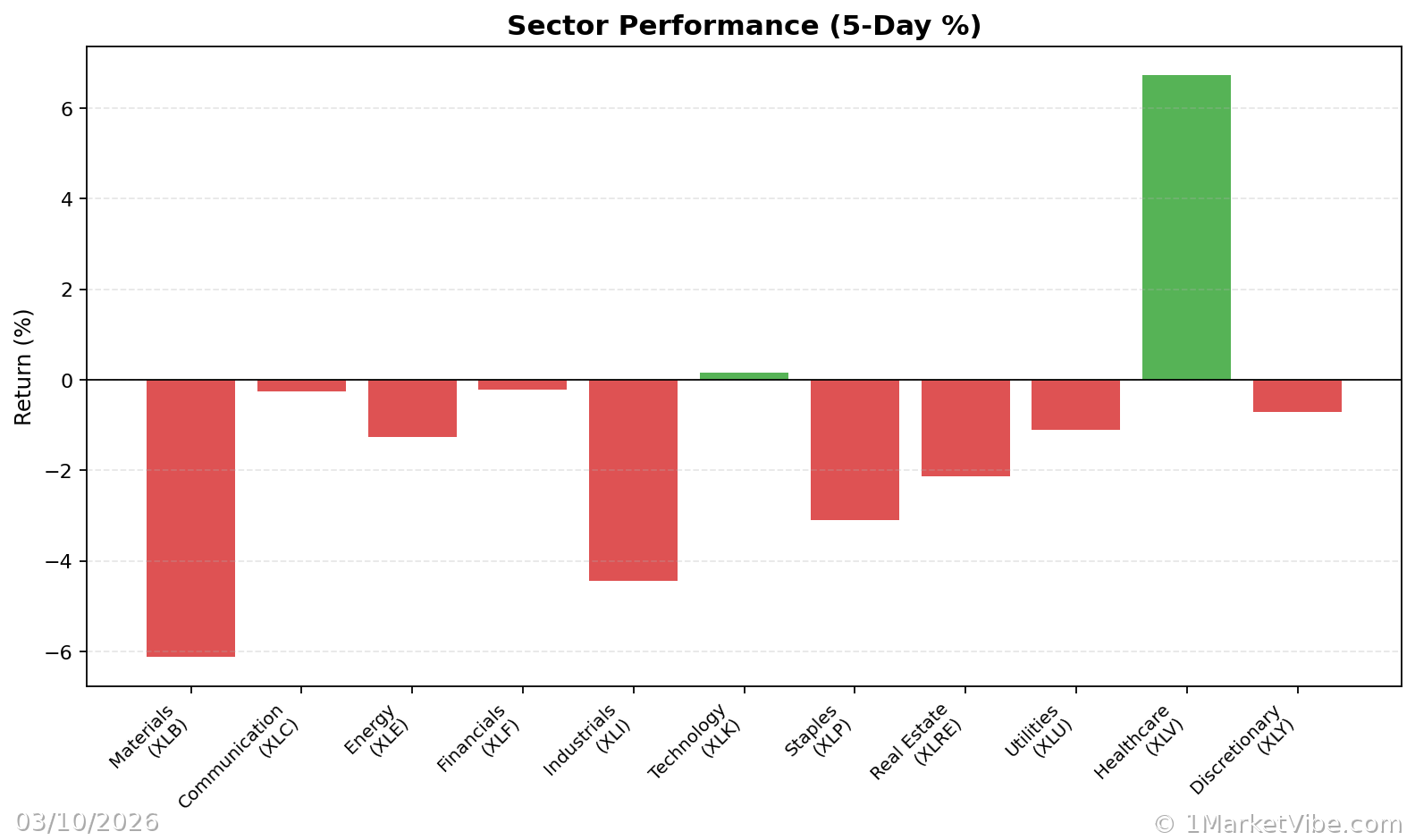
Investors are reacting with caution as market sentiment shifts towards risk aversion. The energy sector is witnessing increased trading volumes, with many seeking to hedge against further price hikes. Historical data suggests that during similar conflicts, oil prices have remained volatile, often leading to broader market corrections. The current scenario is no different, with the potential for further escalation keeping traders on edge.
Supply Chain Concerns
The risk of lasting supply losses looms large as Middle East oil shut-ins become more prevalent. With major producers cutting output, the global oil supply chain faces significant challenges. This situation raises concerns about the long-term production capacity of Gulf nations, which could lead to sustained high prices if the conflict persists. Investors should be aware of the potential for supply chain disruptions to impact other sectors reliant on stable oil prices.
What's Next
Looking ahead, investors should brace for continued volatility in the oil market. Key events to watch include diplomatic efforts to de-escalate the conflict and any announcements from OPEC regarding production adjustments. The next few weeks will be critical in determining the trajectory of oil prices and the broader market impact. Potential scenarios range from a swift resolution leading to price stabilization to a protracted conflict resulting in further price spikes.
For investors, this means staying informed and agile. Monitoring risk signals, such as those provided by MarketVibe's CW Index, can offer valuable insights into market trends and help guide strategic decisions.
Track how markets respond in real-time at 1marketvibe.com.
Sources:
- Bloomberg: Oil Tops $110 as Iran War Forces More Gulf Giants to Cut Output
- The Wall Street Journal: Middle East Oil Shut-Ins Raise Risk of Lasting Supply Losses
Disclaimer: This article is for informational purposes only and does not constitute financial advice. Please consult a financial advisor for personalized guidance.