
Implications of Treasury Bond Actions on Dollar Weakness
- Authors

- Name
- MarketVibe Team
- @1marketvibe
Treasury Bond Actions Signal Potential Dollar Weakness
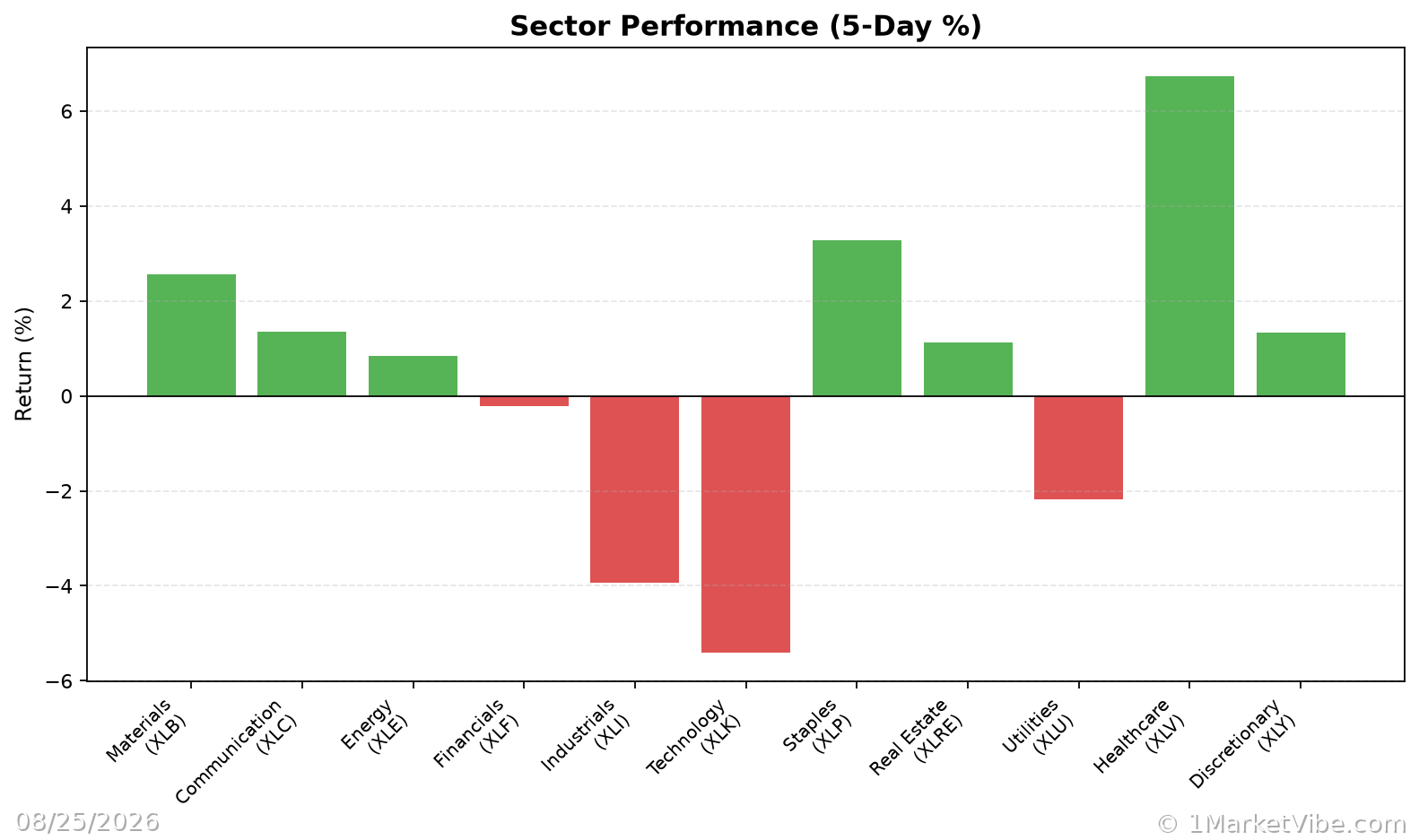
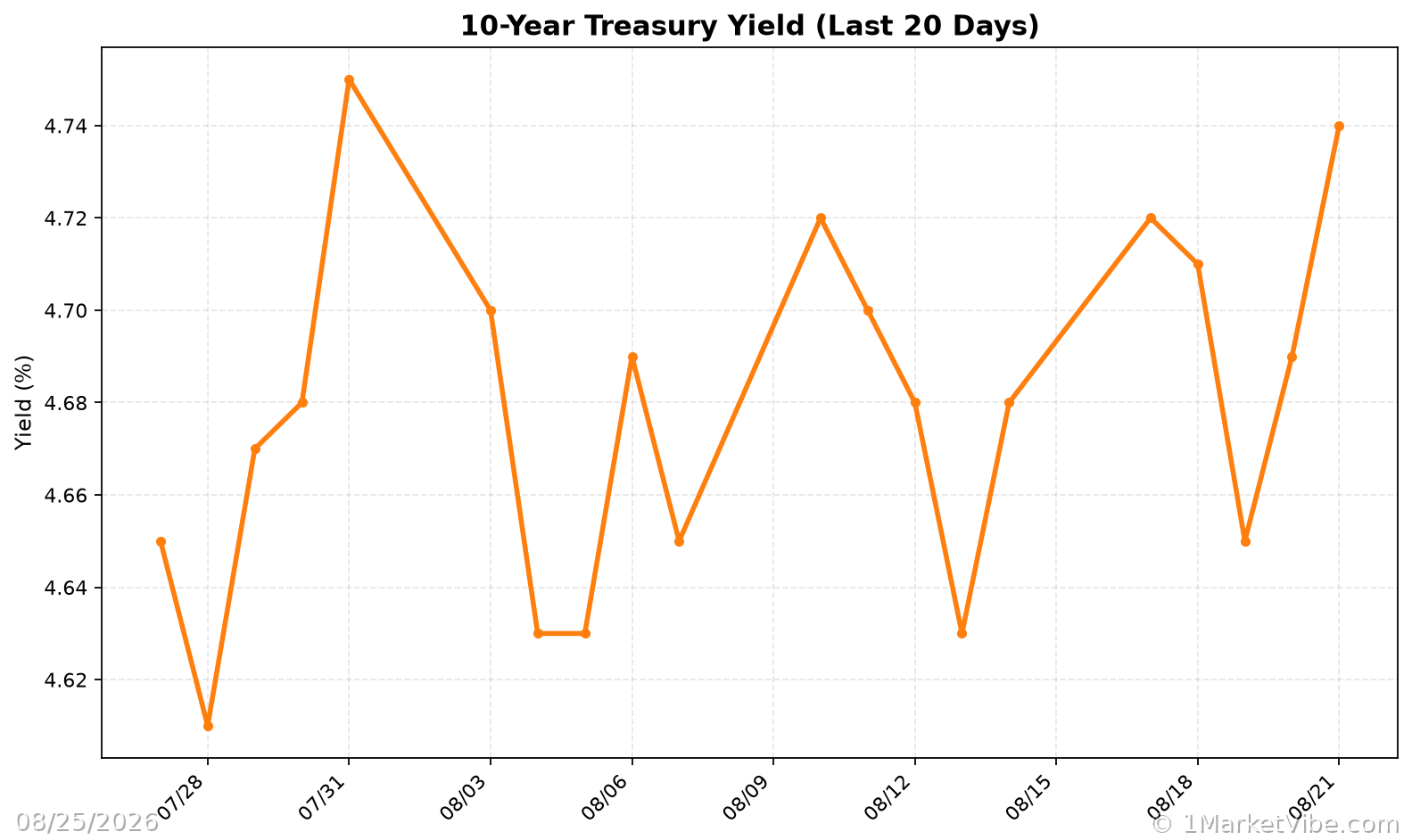
August 25, 2026 – In a pivotal move, the U.S. Treasury has ramped up its bond market interventions, leading to a notable dip in Treasury yields. This action, observed closely by market analysts, is raising concerns about the potential weakening of the U.S. dollar. As of today, the Dow Jones Industrial Average rose, while the S&P 500 and Nasdaq opened lower, reflecting mixed reactions from investors.
Why It Matters
The immediate market impact of the Treasury's actions is significant. Lower Treasury yields typically signal reduced returns on U.S. investments, which can lead to a weaker dollar as investors seek higher returns elsewhere. For investors, this means potential shifts in global asset allocations and increased volatility in currency markets. The broader implications are profound, as a weaker dollar could affect international trade dynamics, making U.S. exports more competitive but increasing the cost of imports.
Context & Background
Historically, Treasury interventions have been a double-edged sword. While they aim to stabilize markets, they can inadvertently lead to currency fluctuations. The current scenario is reminiscent of past interventions during economic downturns, where similar actions led to temporary dollar weakness. Billionaire investor John Arnold recently highlighted the risk of a potential market crisis, underscoring the sentiment of caution among market participants.
Impact on Global Markets
A weaker dollar has far-reaching effects on global markets. It can lead to:
- Increased competitiveness of U.S. exports, boosting domestic manufacturing.
- Higher costs for imported goods, potentially fueling inflation.
- Shifts in investor strategies, as they may pivot towards emerging markets with stronger currencies.
Historical Precedents
Previous Treasury actions, such as those during the 2008 financial crisis, have shown that aggressive bond market interventions can lead to temporary dollar devaluation. These historical parallels serve as a cautionary tale for investors, emphasizing the need for strategic risk management.
Risk Considerations
Investors should be aware of the uncertainties surrounding these market movements. While the CW Index, currently at 5.4, suggests a predictable trend, the dynamic nature of global markets requires vigilance. Cautious investment strategies, including hedging against currency risks, are advisable.
What's Next
Looking ahead, investors should monitor upcoming economic indicators and Federal Reserve announcements for further clues on market direction. Key events to watch include the upcoming Jackson Hole Symposium and potential policy shifts from the Federal Reserve.
For investors, the immediate focus should be on adjusting portfolios to mitigate risks associated with currency fluctuations. Monitoring the CW Index can provide early signals of market changes, aiding in proactive decision-making.
Track how markets respond in real-time at 1marketvibe.com.
Disclaimer: This article is for informational purposes only and does not constitute financial advice. Always consult with a financial advisor before making investment decisions.
Sources:
- MarketWatch: Stock Market Today: Dow rises but S&P 500, Nasdaq open lower; Treasury yields dip with eyes on Bessent, Jackson Hole
- MarketWatch: The Treasury’s bond-market intervention isn’t working. So what comes next?
Charts