


Implications of a 5% Yield Shock on Market Volatility
Breaking News: September 15, 2026 - In a significant market development, the yield on the 10-year U.S. Treasury note surged to 5%, marking its highest level in over a decade. This yield shock has sent ripples through global financial markets, causing major indices such as the Dow, S&P 500, and Nasdaq to experience notable declines. The yield increase, which occurred amidst heightened concerns over inflation and geopolitical tensions, has raised alarms among investors worldwide.
Why It Matters
The immediate impact of this yield spike is a broad-based sell-off in equities, particularly affecting the tech sector. As borrowing costs rise, companies face increased expenses, which can dampen growth prospects and investor sentiment. For investors, this means a potential reassessment of risk exposure and portfolio adjustments. The broader implications include heightened market volatility and a shift in investment strategies as the cost of capital increases. MarketVibe's CW Index, which currently reads 5.8, aligns with these developments, suggesting that the trend was anticipated and indicating potential continued volatility.
Context & Background
Historically, rising yields have often led to increased market volatility, as seen during similar periods in the early 2000s and post-2008 financial crisis. This current yield surge is driven by a combination of factors, including persistent inflationary pressures and geopolitical uncertainties, such as China's response to AI development concerns. The recent comments from Anthropic's CEO, urging the U.S. to curb China's AI capabilities, have further exacerbated tensions, impacting investor confidence and market stability.
Market Reaction
- Major Indices: The Dow fell by 2.3%, the S&P 500 by 2.7%, and the Nasdaq by 3.1% as investors reacted to the yield increase.
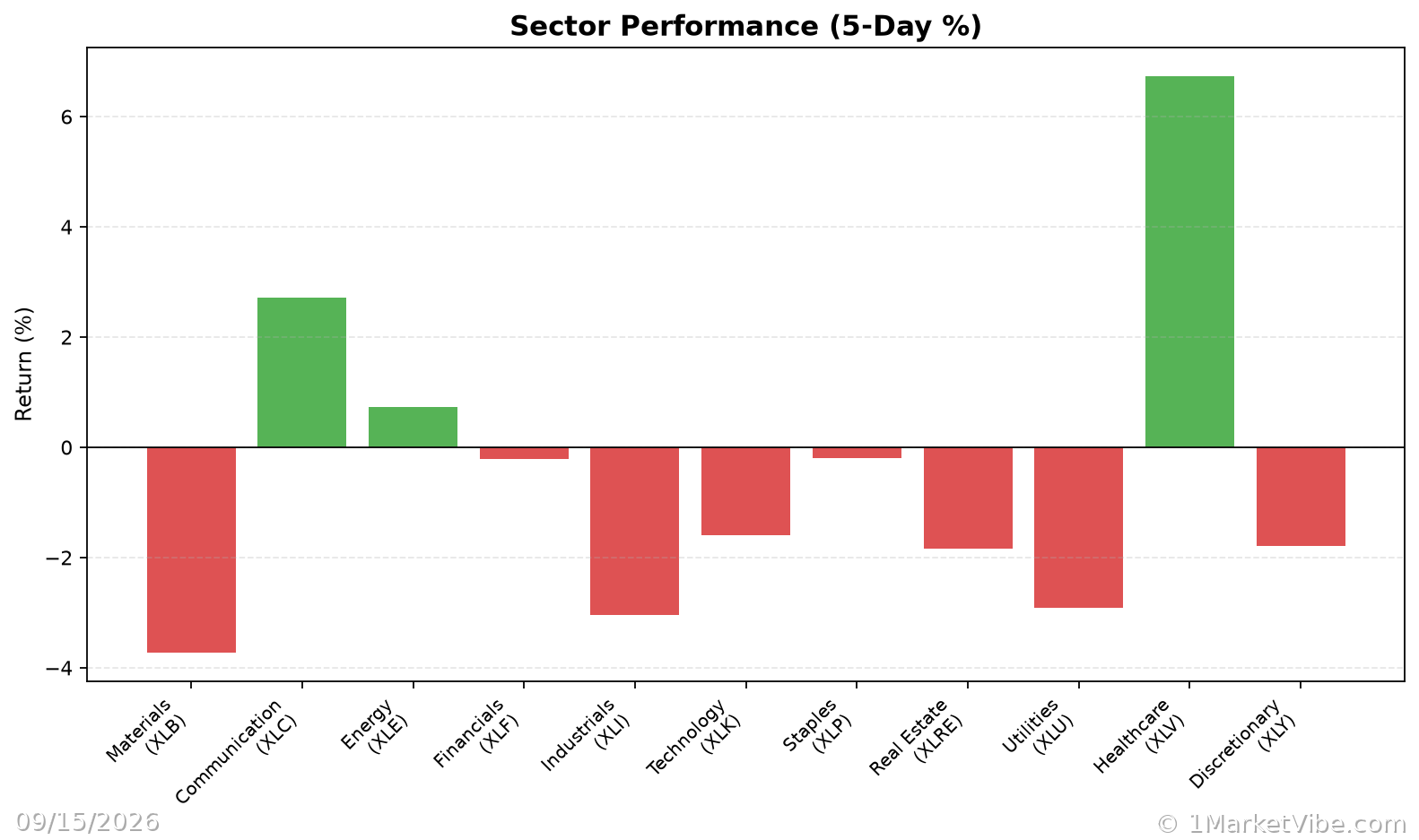
- Tech Sector: Particularly hard-hit due to its sensitivity to interest rate changes and ongoing AI-related geopolitical tensions.
- Oil Prices: Rising oil prices add another layer of complexity, contributing to inflation concerns and influencing the Federal Reserve's upcoming rate decision.
What's Next
Investors should closely monitor the Federal Reserve's next moves, as their rate decision could further influence market dynamics. Additionally, geopolitical developments, particularly involving China and AI technology, will be crucial in shaping market sentiment. Potential scenarios include continued volatility if yields remain elevated or stabilize, depending on economic data and policy responses.
For investors, this period calls for a cautious approach, with a focus on risk management and diversification. Monitoring the CW Index can provide early signals of changing market conditions, aiding in strategic decision-making.
Track how markets respond in real-time at 1marketvibe.com.
Disclaimer: This article is for informational purposes only and does not constitute financial advice. Always consult with a financial advisor before making investment decisions.