

Impact of U.S.-Iran Conflict on Oil Prices: Insights from the CW Index
- Authors

- Name
- MarketVibe Team
- @1marketvibe
Impact of U.S.-Iran Conflict on Oil Prices: Insights from the CW Index
Breaking News: Oil prices surged by over 5% on July 21, 2026, following escalating tensions between the U.S. and Iran. The conflict, which intensified over the weekend, has led to heightened concerns about the stability of oil supplies from the Middle East, a region responsible for nearly 30% of global oil production. As of this morning, Brent crude reached $92 per barrel, marking its highest level in over a year.
Why It Matters
For investors, this surge in oil prices signals potential volatility across global markets. The immediate impact is a ripple effect on stock markets, with energy stocks experiencing gains while sectors reliant on fuel, such as airlines and logistics, face increased costs. The broader implications include potential inflationary pressures as higher oil prices often lead to increased production costs across various industries. MarketVibe's CW Index, which currently reads 5.1, reflects a moderate risk level, suggesting that investors should remain cautious but not alarmed.
Context & Background
Historically, geopolitical tensions in the Middle East have led to significant fluctuations in oil prices. The current U.S.-Iran conflict stems from a series of diplomatic and military escalations, including recent sanctions and military maneuvers in the Persian Gulf. Key stakeholders affected include major oil-importing nations and companies heavily reliant on stable oil prices for their operations.
What's Next
Investors should watch for further developments in the U.S.-Iran situation, as any escalation could lead to more pronounced market reactions. Upcoming OPEC meetings and potential diplomatic interventions are critical events that could influence oil price trajectories. Scenarios range from a de-escalation leading to price stabilization to further conflict driving prices higher.
Market Reactions
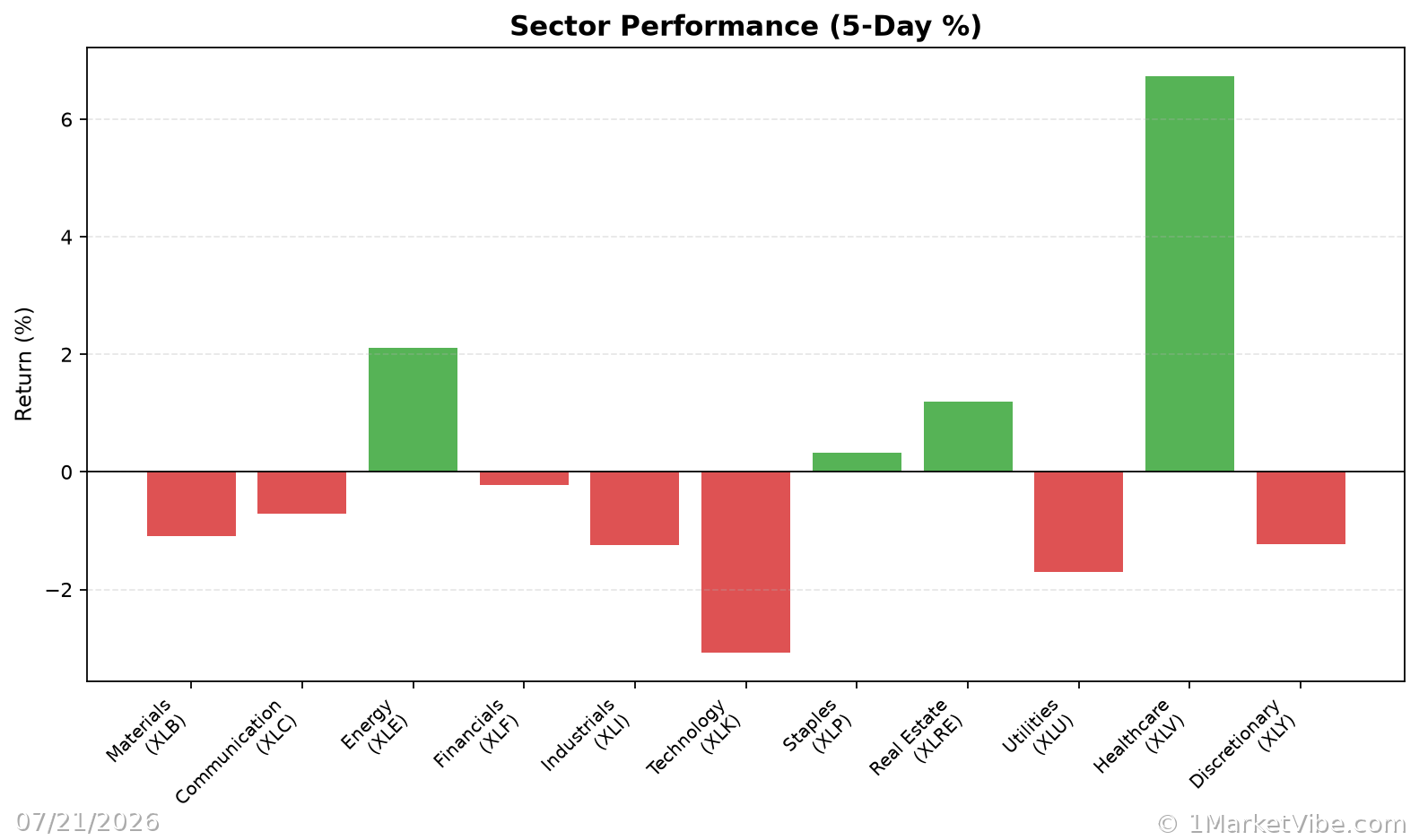
- Stock Markets: Energy stocks have rallied, while transportation and manufacturing sectors face pressure.
- Investor Sentiment: Cautious optimism prevails, with a focus on hedging strategies to mitigate risks associated with volatile oil prices.
Inflation Concerns
Rising oil prices could exacerbate inflation concerns, particularly in economies already grappling with high inflation rates. Vulnerable sectors include transportation, manufacturing, and consumer goods, where increased costs could be passed on to consumers.
Geopolitical Factors
The U.S. and Iran, along with their allies, play pivotal roles in shaping the future of oil markets. Potential diplomatic resolutions or further military actions will significantly impact global oil supply dynamics.
Risk Awareness
Understanding the risks associated with volatile oil prices is crucial for investors. Monitoring geopolitical developments and adjusting portfolios accordingly can help mitigate potential losses. The CW Index provides early signals, allowing investors to anticipate market shifts and adjust their strategies.
Conclusion
The U.S.-Iran conflict underscores the fragile nature of global oil markets and the importance of geopolitical stability. Investors should remain vigilant, tracking developments closely to navigate the potential risks and opportunities in the energy sector.
Monitor risk signals as this story develops at 1marketvibe.com.
Disclaimer: This article is for informational purposes only and does not constitute financial advice. Market conditions can change rapidly, and past performance is not indicative of future results.
Sources
- The Wall Street Journal: "Stock Market Today: Oil Ticks Up After Weekend of Fighting in Mideast — Live Updates"
- Yahoo Finance: "Stock market today: Dow, S&P 500, Nasdaq futures edge up as oil turns lower in wait for Big Tech earnings"