

How Inflation is Reshaping Markets: Key Insights for Investors
- Authors

- Name
- MarketVibe Team
- @1marketvibe
How Inflation is Reshaping Markets: Key Insights for Investors
April 13, 2026 – Inflation continues to dominate headlines as the latest data reveals a significant rise in consumer prices. March's inflation rate surged to 5.8%, marking the highest level in over a decade. This increase, reported by the Bureau of Labor Statistics, underscores the persistent economic challenges faced by both consumers and businesses across the United States.
Why It Matters
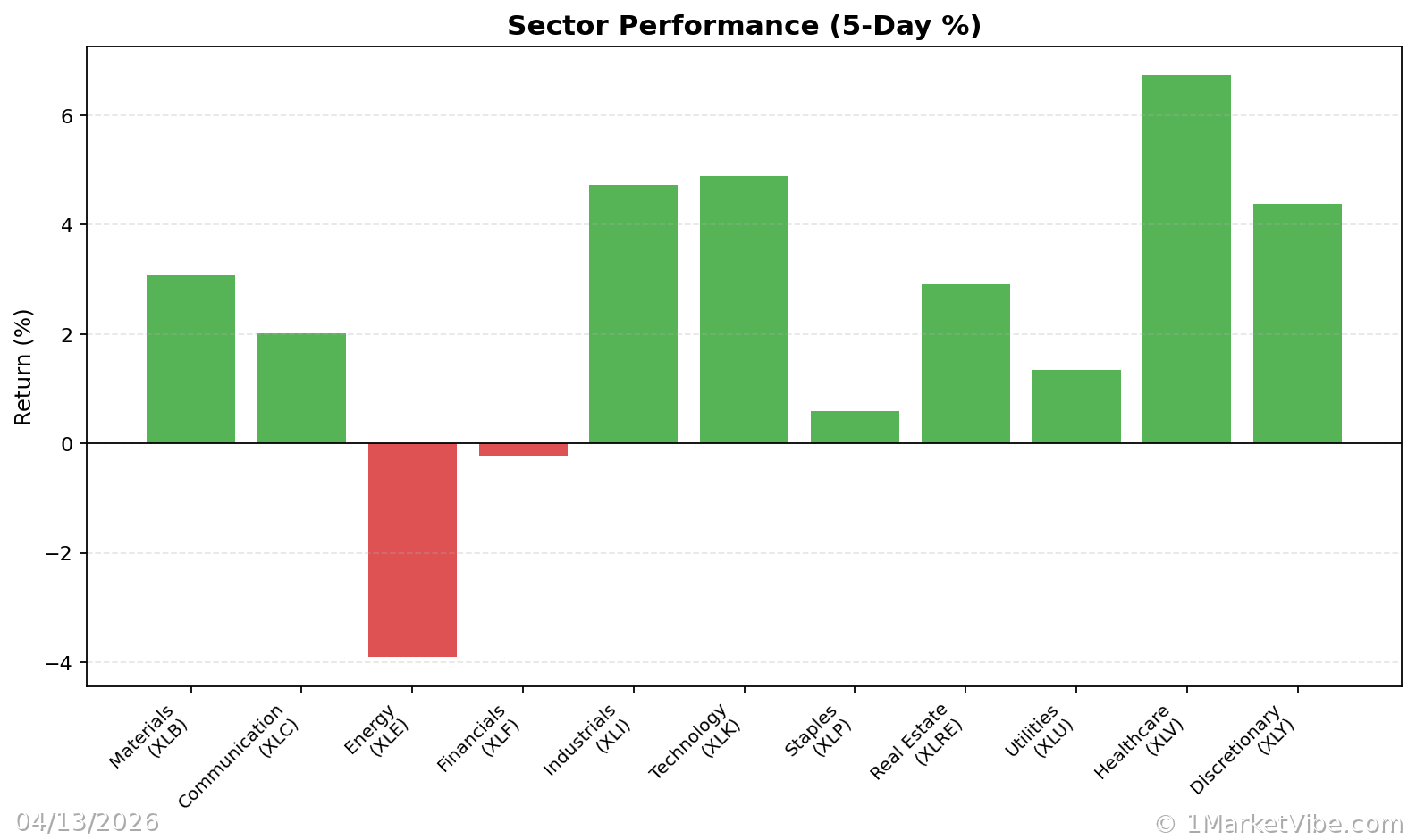
For investors, this surge in inflation is not just a statistic—it's a signal of potential market volatility and changing investment landscapes. The immediate impact is seen in the bond markets, where yields have spiked as investors anticipate further interest rate hikes by the Federal Reserve. Equities have shown mixed reactions, with growth stocks facing pressure while sectors like energy and commodities gain traction. The broader implications suggest a shift in portfolio strategies, emphasizing the need for inflation hedges and diversified asset allocations.
Context & Background
Historically, inflationary periods have reshaped economic landscapes, often leading to tighter monetary policies and shifts in consumer behavior. The current inflationary trend has been exacerbated by a series of compounding factors:
- Supply Chain Disruptions: Ongoing global supply chain issues have led to shortages and increased costs for raw materials.
- Geopolitical Tensions: Conflicts in key regions have disrupted energy supplies, further driving up prices.
- Natural Disasters: Recent events have impacted agricultural outputs, contributing to higher food prices.
These factors have collectively reset price levels, creating a challenging environment for economic stability.
Market Reactions
Markets have responded with heightened sensitivity to inflation data. The S&P 500 has experienced fluctuations as investors weigh the potential for aggressive monetary policy adjustments. Sentiment is cautious, with many investors re-evaluating their exposure to interest-sensitive sectors. The CW Index, a measure of market risk sentiment, has shown an uptick, reflecting increased market anxiety.
Sector-Specific Effects
Certain sectors are feeling the inflationary pinch more acutely:
- Energy: Rising oil prices have bolstered energy stocks but increased costs for consumers.
- Consumer Goods: Higher production costs are being passed on to consumers, impacting spending patterns.
These dynamics highlight the uneven impact of inflation across different economic segments, affecting both corporate earnings and consumer purchasing power.
Policy Responses
In response to rising inflation, policymakers are considering a range of measures:
- Interest Rate Hikes: The Federal Reserve is expected to raise rates further to curb inflationary pressures.
- Fiscal Policies: Government interventions may include targeted subsidies or tax adjustments to alleviate consumer burdens.
These responses carry their own risks, potentially slowing economic growth if not carefully managed.
Long-Term Implications
Sustained inflation could lead to significant long-term shifts in economic behavior. Businesses may need to adapt by streamlining operations and exploring cost-effective innovations. Consumers might alter spending habits, prioritizing essentials over discretionary purchases. The overarching challenge will be balancing growth with inflation control, a task that requires vigilant monitoring and strategic adjustments.
Conclusion
Inflation's impact on markets is profound and multifaceted, reshaping investment strategies and economic expectations. As this story unfolds, investors should remain informed and adaptable, leveraging tools like MarketVibe's insights to navigate these turbulent times.
Monitor risk signals as this story develops at 1marketvibe.com.
Disclaimer: This article is for informational purposes only and does not constitute financial advice. Please consult with a financial advisor for personalized guidance.