


Hormuz Deal Indicates Market Shift as Dow Futures Rise
In a significant development, Dow futures surged by 600 points on August 5, 2026, following news that a pivotal deal regarding the Strait of Hormuz is nearing completion. This strategic waterway, crucial for global oil transportation, has been a focal point of geopolitical tension. The announcement, made by influential investor Scott Bessent, has sent ripples through financial markets, with the S&P 500 poised for a record-breaking session.
Why It Matters
For investors, this surge in Dow futures signals a potential shift in market dynamics. The Hormuz deal is expected to ease geopolitical tensions, which could stabilize oil prices and reduce volatility in energy markets. This development is particularly significant as it comes at a time when market sentiment has been cautious due to global economic uncertainties. The immediate impact is a boost in investor confidence, reflected in the rally of major stock averages.
Context & Background
Historically, the Strait of Hormuz has been a flashpoint for international conflict, affecting oil supply routes and, consequently, global markets. The current deal, reportedly brokered with significant diplomatic effort, aims to ensure the safe passage of oil tankers, thereby alleviating supply chain concerns. Key stakeholders, including major oil-producing nations and global shipping companies, stand to benefit from this agreement.
Market Reaction
- Dow futures: Jumped 600 points following the announcement.
- S&P 500: Poised for a record high, driven by improved market sentiment.
- Oil prices: Expected to stabilize, reducing risk in energy sectors.
MarketVibe's CW Index, which tracks early risk signals, ticked up to 4.7, indicating a cautiously optimistic outlook. This aligns with the broader risk environment where geopolitical developments can have profound impacts on market stability.
Sector Impacts
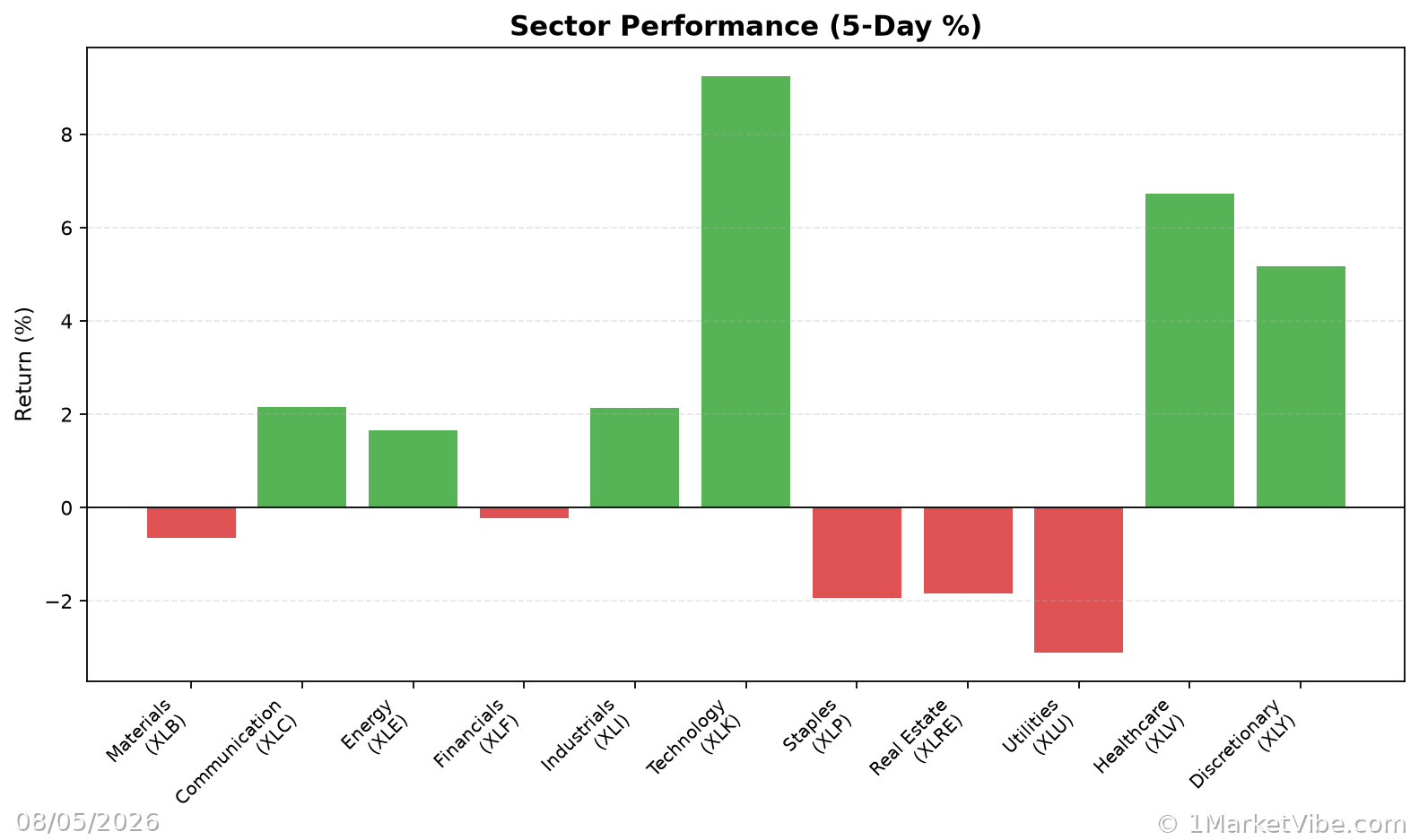
The Hormuz deal is likely to influence several sectors:
- Energy: Potential stabilization of oil prices could benefit energy stocks.
- Transportation: Reduced shipping risks may lower costs for logistics companies.
- Consumer Goods: Lower energy costs could translate to reduced production expenses.
Investors should monitor these sectors closely as the deal progresses, adjusting their portfolios to manage risk and capitalize on emerging opportunities.
Global Context
The implications of the Hormuz deal extend beyond U.S. markets. Global markets are likely to react positively, as reduced geopolitical tensions can foster a more stable economic environment. Comparatively, past geopolitical resolutions have often led to short-term market rallies, followed by longer-term stability.
Expert Opinions
Financial analysts are cautiously optimistic about the deal's impact. While some highlight the potential for sustained market growth, others advise vigilance, noting that geopolitical agreements can be fragile. Diverse perspectives emphasize the need for investors to remain informed and adaptable.
Risks and Considerations
Despite the positive market reaction, potential risks remain:
- Geopolitical volatility: Any disruption in the deal's implementation could reignite tensions.
- Market volatility: Investors should be prepared for fluctuations as the situation evolves.
Conclusion
The Hormuz deal represents a pivotal moment for global markets, with the potential to reshape investor sentiment and market dynamics. As this story develops, investors are advised to stay informed and consider adjusting their risk exposure accordingly.
Track how markets respond in real-time at 1marketvibe.com.
Disclaimer: This article is for informational purposes only and does not constitute financial advice. Always consult with a financial advisor before making investment decisions.
Sources:
- CNBC: Dow futures leap 600 points, S&P 500 poised for record after Bessent says Hormuz deal is close
- MarketWatch: This CD is offering 9%, and another 7.5% — plus 8 more of the best CD APYs of August 2026
- The Wall Street Journal: Spotify Climbs to 300 Million Premium Subscribers