

Higher Stock Futures and the Implications of January Jobs Data
- Authors

- Name
- MarketVibe Team
- @1marketvibe
Higher Stock Futures and the Implications of January Jobs Data
February 12, 2026 – In a significant market development, U.S. stock futures edged higher today as investors eagerly await the release of the January jobs report, scheduled for Wednesday morning. This report, delayed due to a recent government shutdown, is expected to be a pivotal factor in determining market direction. The Dow Jones Industrial Average, S&P 500, and Nasdaq Composite all showed slight gains in pre-market trading, reflecting cautious optimism among traders.
Why It Matters
For investors, the January jobs report is more than just a set of numbers; it's a potential catalyst for market movements. The report's outcomes could influence Federal Reserve policy decisions, particularly concerning interest rates. A stronger-than-expected jobs report might reduce the likelihood of interest rate cuts, impacting borrowing costs and investment strategies. Conversely, weaker data could heighten concerns about economic stability, prompting a reassessment of risk exposure.
Context & Background
Historically, jobs data has been a reliable indicator of economic health. The Bureau of Labor Statistics' report will shed light on nonfarm payroll growth and unemployment rates, with economists forecasting a gain of 55,000 jobs. This follows a revised December figure of 48,000 jobs. Notably, the unemployment rate is anticipated to slightly decrease to 4.3%, down from the previous forecast of 4.4%. The health care sector, a major contributor to job growth, added 124,000 positions in January, doubling its usual monthly increase.
Recent Market Trends
The stock market has enjoyed two consecutive weeks of gains, driven by investor optimism and robust corporate earnings. However, recent consumer data showing flat spending in December has tempered expectations. This mixed economic picture underscores the importance of the upcoming jobs report in shaping investor sentiment and market trajectories.
Potential Market Reactions
- Positive Jobs Data: Could lead to further market rallies, reinforcing confidence in economic recovery.
- Negative Jobs Data: Might prompt a reevaluation of current investment strategies, with potential shifts towards defensive sectors.
Investor Sentiment
Currently, market sentiment remains neutral as traders await the jobs report. Investors are cautiously optimistic, balancing the potential for positive economic signals against the risks of unexpected data. The CW Index, while not directly linked to this event, remains a useful tool for tracking broader market risks.
Sector Impacts
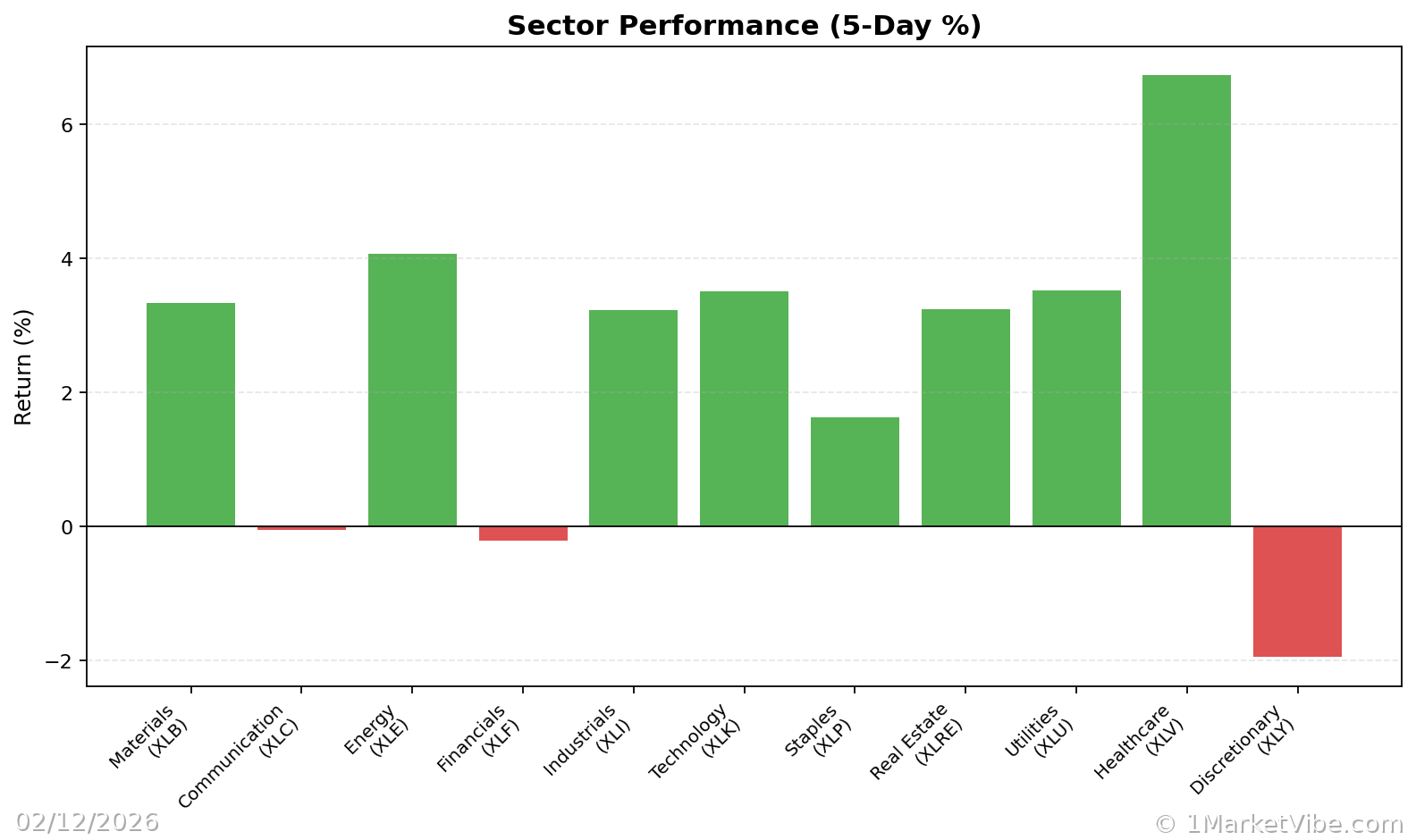
Different sectors may react variably to the jobs report. Technology and consumer goods sectors are particularly sensitive to economic data and could experience heightened volatility. Investors should monitor these areas closely for potential opportunities or risks.
Risk Considerations
Despite positive trends, investors should remain vigilant about market risks. Unexpected jobs data could lead to sudden shifts in market sentiment and asset prices. Maintaining a diversified portfolio and considering hedging strategies may help mitigate potential volatility.
Conclusion
The upcoming January jobs report is a critical event for market direction, with the potential to influence Federal Reserve policy and investor strategies. Traders should prepare for potential volatility based on the report's outcomes and adjust their positions accordingly.
Track how markets respond in real-time at 1marketvibe.com.
Sources: CNBC, Bureau of Labor Statistics
Disclaimer: This article is for informational purposes only and does not constitute financial advice. Investors should conduct their own research or consult a financial advisor before making investment decisions.