


Four Key Realities of AI Business for Investors
In a pivotal moment for the artificial intelligence sector, investors are grappling with four stark realities that could reshape their strategies and expectations. As of June 8, 2026, these realities are becoming increasingly apparent, with significant implications for market dynamics and investor sentiment. The AI industry, once seen as an unbounded frontier, is now facing challenges that demand careful consideration from stakeholders worldwide.
Reality 1: Market Saturation
The AI market is experiencing saturation, with over 1,500 AI startups launched in the past year alone. This influx has led to fierce competition, driving down profit margins and making it harder for new entrants to secure funding. For investors, this saturation means a more discerning approach is necessary, focusing on companies with unique value propositions and sustainable business models.
Reality 2: Regulatory Scrutiny
Governments globally are tightening regulations around AI technologies. Recent legislation in the European Union mandates stricter compliance for AI systems, impacting companies' operational costs and timelines. This regulatory environment introduces new risks for investors, who must now evaluate the potential for increased compliance costs and the impact of regulatory delays on product rollouts.
Reality 3: Ethical Concerns
Ethical issues surrounding AI, such as data privacy and algorithmic bias, are under intense scrutiny. High-profile incidents have highlighted the need for robust ethical frameworks, prompting companies to invest heavily in compliance and transparency measures. For investors, this reality underscores the importance of assessing a company's commitment to ethical practices as a critical factor in investment decisions.
Reality 4: Economic Viability
Despite the hype, many AI ventures struggle with economic viability. A significant number of AI startups are not yet profitable, with 70% reporting losses over the past fiscal year. This trend raises questions about the long-term sustainability of AI investments and necessitates a focus on financial health and scalability when evaluating potential investments.
Investor Sentiment
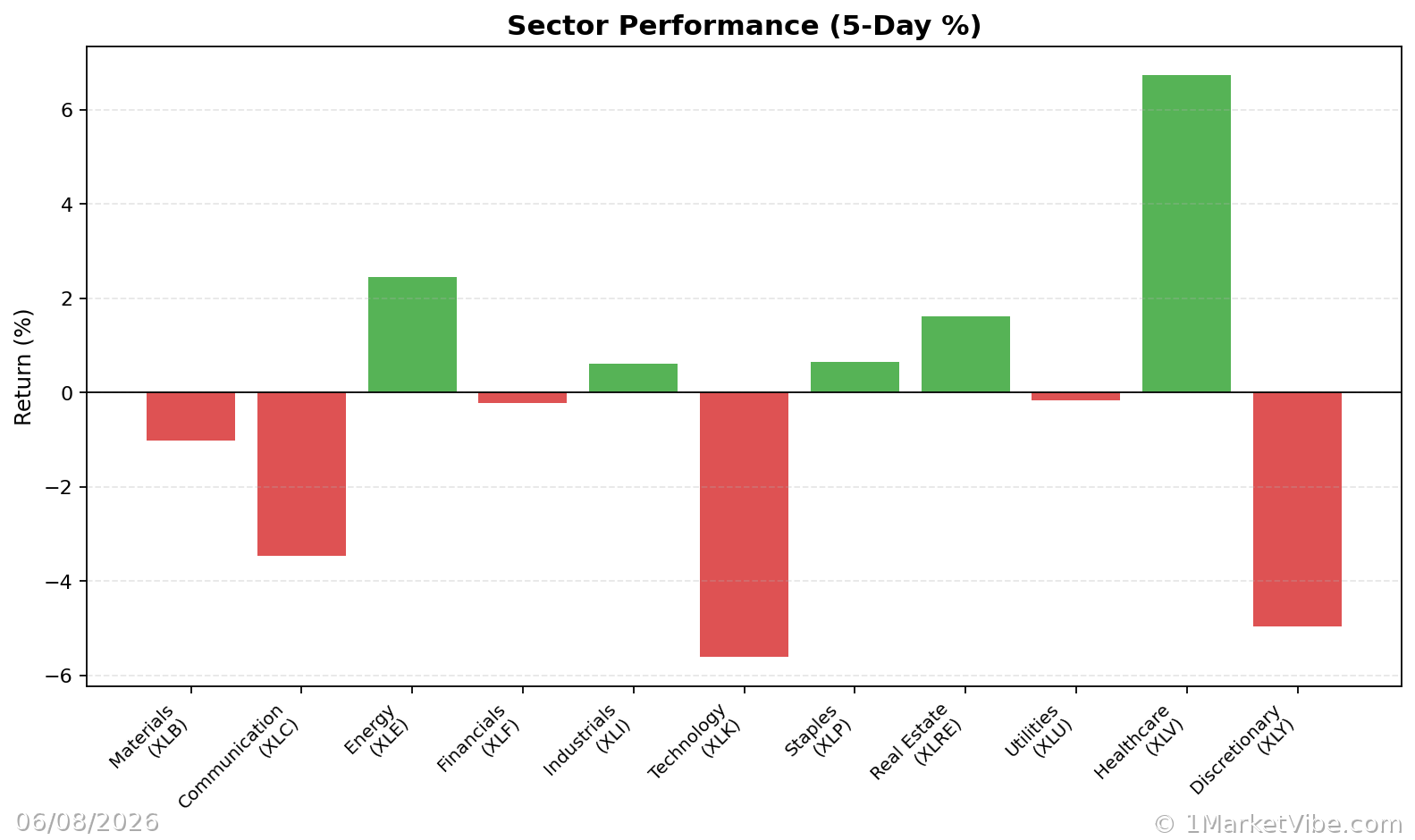
For investors, these realities translate into a more cautious approach. The immediate impact is a shift towards risk aversion, with a preference for established players over speculative startups. Market sentiment is becoming increasingly wary, as reflected in the recent 2% decline in AI sector indices. While MarketVibe's CW Index remains stable, it highlights the need for vigilance as these trends unfold.
What's Next
Investors should closely monitor upcoming regulatory developments and market responses to ethical challenges. Key events to watch include the AI Summit in September 2026, where industry leaders will discuss future directions, and the release of quarterly earnings reports, which will provide insights into the financial health of AI companies. Potential scenarios include increased consolidation in the sector and a shift towards more sustainable business models.
Track how markets respond in real-time at 1marketvibe.com.
Disclaimer: This article is for informational purposes only and does not constitute financial advice. Always consult with a financial advisor before making investment decisions.