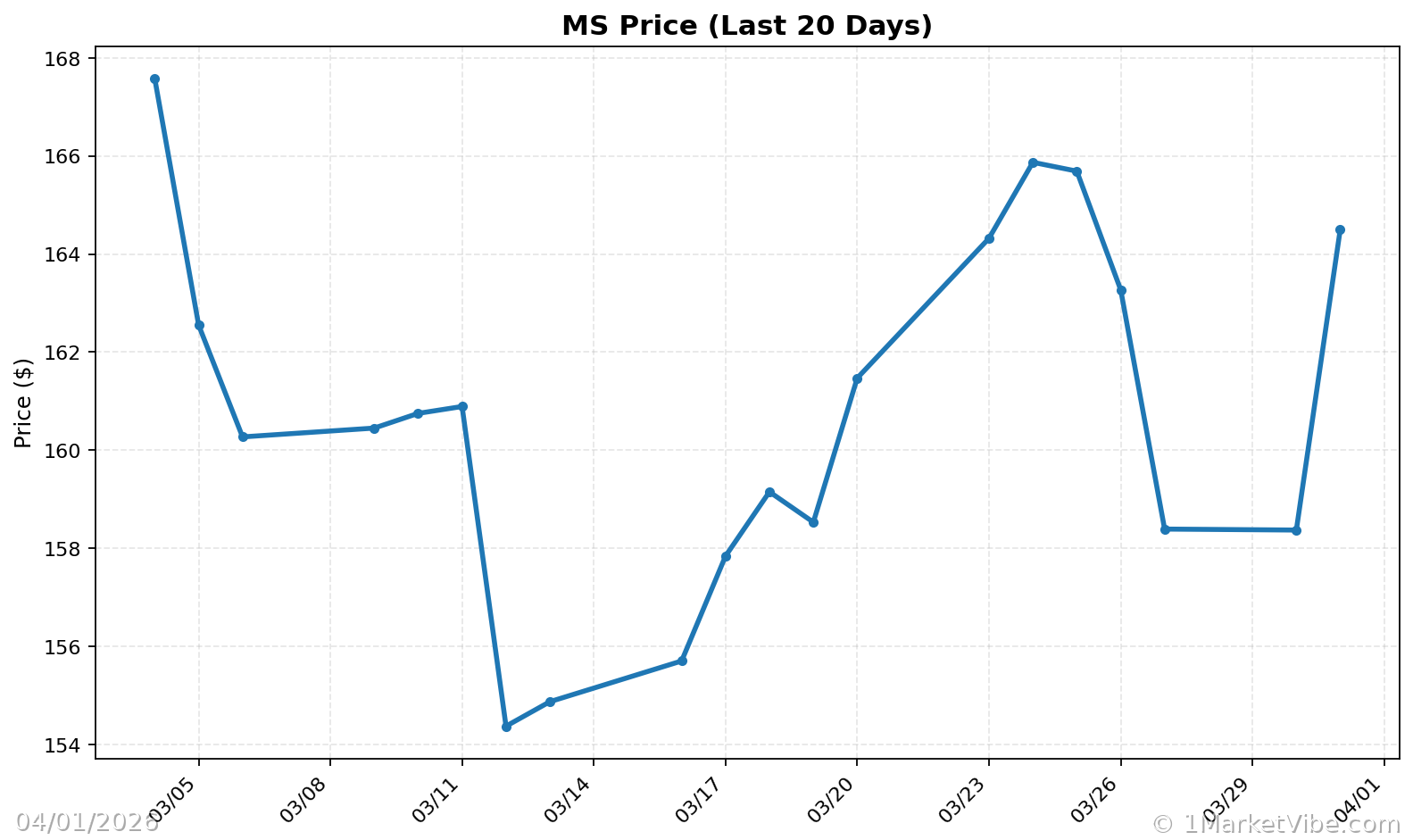


Breaking News: Factors Contributing to Sustained High Oil Prices
April 01, 2026 — In a dramatic turn of events, oil prices have remained consistently above $100 per barrel amid escalating geopolitical tensions between the United States and Iran. The ongoing military exchanges, now in their fifth week, have sent ripples through global markets, with Wall Street showing signs of resilience as it rebounds from recent lows. This price stability in oil is a critical indicator of the broader economic and geopolitical landscape.
Why It Matters
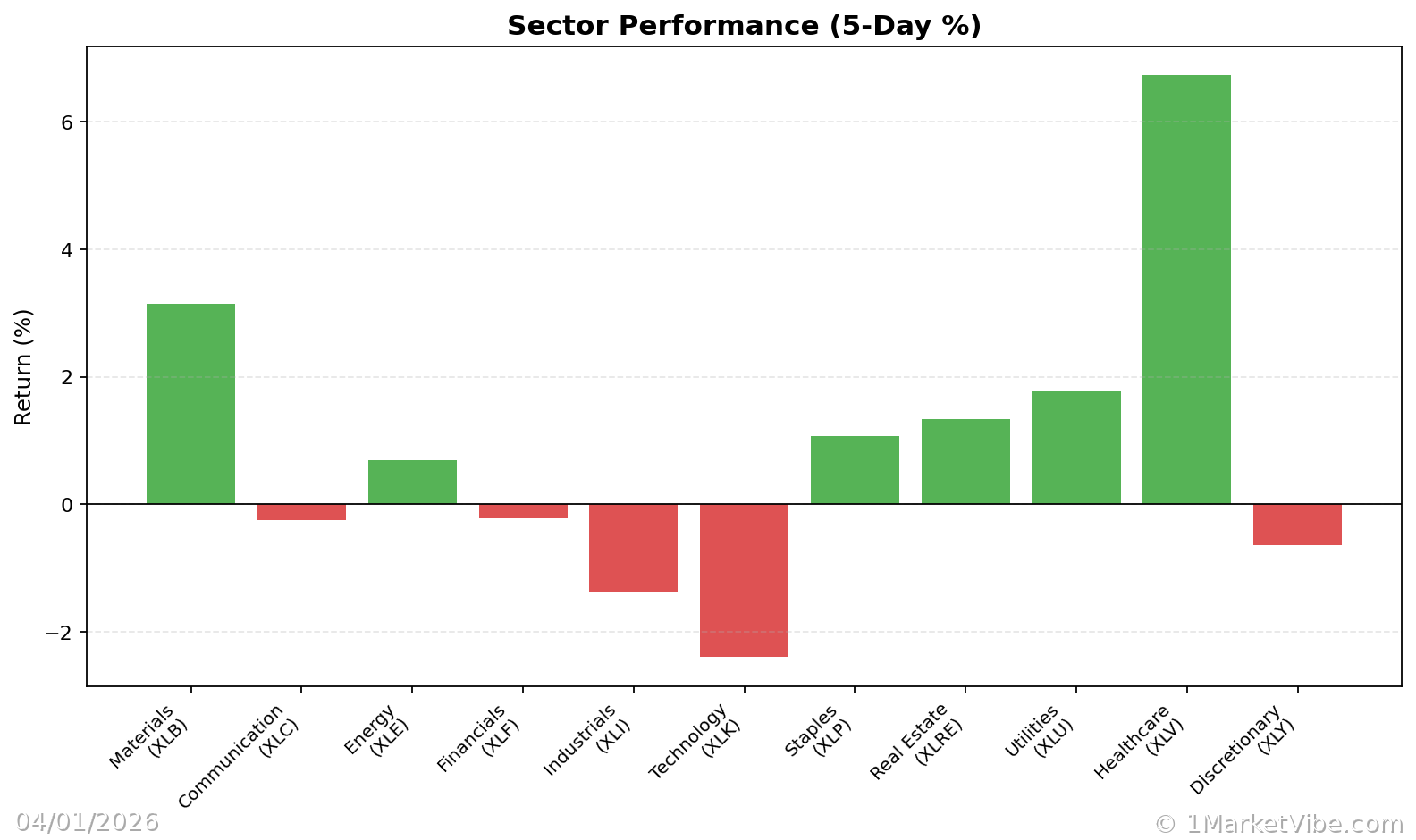
For investors, the sustained high oil prices signal potential volatility and risk in the market. The immediate impact is seen in the energy sector, where companies are experiencing fluctuating stock performances. Broader implications include increased costs for industries reliant on oil, potentially leading to higher consumer prices and inflationary pressures. Market sentiment remains cautious, with investors closely monitoring developments. The CW Index, a key risk indicator, currently reads 7.0, reflecting heightened market tension and the need for strategic asset allocation.
Context & Background
Historically, geopolitical tensions have often led to spikes in oil prices, as seen during past conflicts in the Middle East. The current situation echoes these patterns, with the U.S.-Iran conflict directly impacting oil supply routes and market stability. Key stakeholders affected include oil producers, transportation sectors, and consumers facing potential price hikes. The ongoing military actions have exacerbated fears of supply disruptions, reminiscent of past crises that have led to economic slowdowns.
Market Reactions
Wall Street's response to the rising oil prices has been mixed. While some sectors, like energy, have benefited from higher prices, others face increased operational costs. Investor sentiment is shifting towards defensive strategies, with Morgan Stanley advising clients to hold more cash and adjust portfolios to mitigate risk. This strategic shift underscores the market's cautious approach amid uncertainty.
Expert Insights
Morgan Stanley strategists recommend a defensive investment stance, emphasizing the importance of liquidity and risk management. They suggest reallocating assets to sectors less vulnerable to oil price volatility. Predictions indicate that unless geopolitical tensions ease, market stability will remain elusive, with potential for further price fluctuations.
Future Considerations
Looking ahead, investors should brace for continued volatility in oil prices. Key factors to watch include diplomatic developments between the U.S. and Iran, potential sanctions, and OPEC's production decisions. The risk of prolonged geopolitical instability could lead to sustained high prices, impacting global economic growth.
Conclusion
In summary, the sustained high oil prices are a reflection of ongoing geopolitical tensions and market uncertainty. Investors are advised to adopt cautious strategies, focusing on risk management and diversification. As the situation evolves, monitoring market responses and geopolitical developments will be crucial.
Track how markets respond in real-time at 1marketvibe.com.
Disclaimer: This article is for informational purposes only and does not constitute financial advice. Always consult with a financial advisor before making investment decisions.
Sources:
- The Wall Street Journal: Stock Market Today: Oil Pauses, Dow Futures Rise — Live Updates
- Associated Press: Oil prices hold above $100 and Wall Street rebounds as US exchanges strikes with Iran
- MarketWatch: It’s time to get defensive, say Morgan Stanley strategists.
Charts