


Borrowing Costs Rise Prompting Portfolio Adjustments
August 18, 2026 – In a significant development, global borrowing costs have surged to their highest levels in decades, driven by an intensified bond selloff. This shift, reported by Bloomberg Markets, has sent ripples through financial markets worldwide, prompting investors to reassess their portfolios. The rise in long-term government borrowing costs is attributed to heightened inflation fears and increased issuance of artificial intelligence (AI) bonds.
Why It Matters
For investors, this surge in borrowing costs translates into immediate and broader market implications. Rising interest rates typically lead to higher costs for businesses and consumers, potentially slowing economic growth. The immediate impact is a shift in market sentiment, with investors becoming more cautious about risk exposure. MarketVibe's CW Index, which currently reads 5.6, indicates a moderate risk environment, suggesting that this trend was predictable with its early warning signals.
Context & Background
Historically, similar spikes in borrowing costs have led to significant market adjustments. The current situation is exacerbated by a combination of inflation concerns and the rapid issuance of AI-related bonds, which have flooded the market. This has led to increased volatility and uncertainty, affecting key stakeholders such as government treasuries, corporate borrowers, and individual investors.
Impact on Portfolios
- Increased Volatility: Investors may experience heightened volatility in bond and equity markets.
- Portfolio Rebalancing: Many are likely to adjust their portfolios to mitigate risk, potentially shifting towards more stable assets.
- Sector Impact: Sectors heavily reliant on borrowing, such as real estate and technology, may face increased pressure.
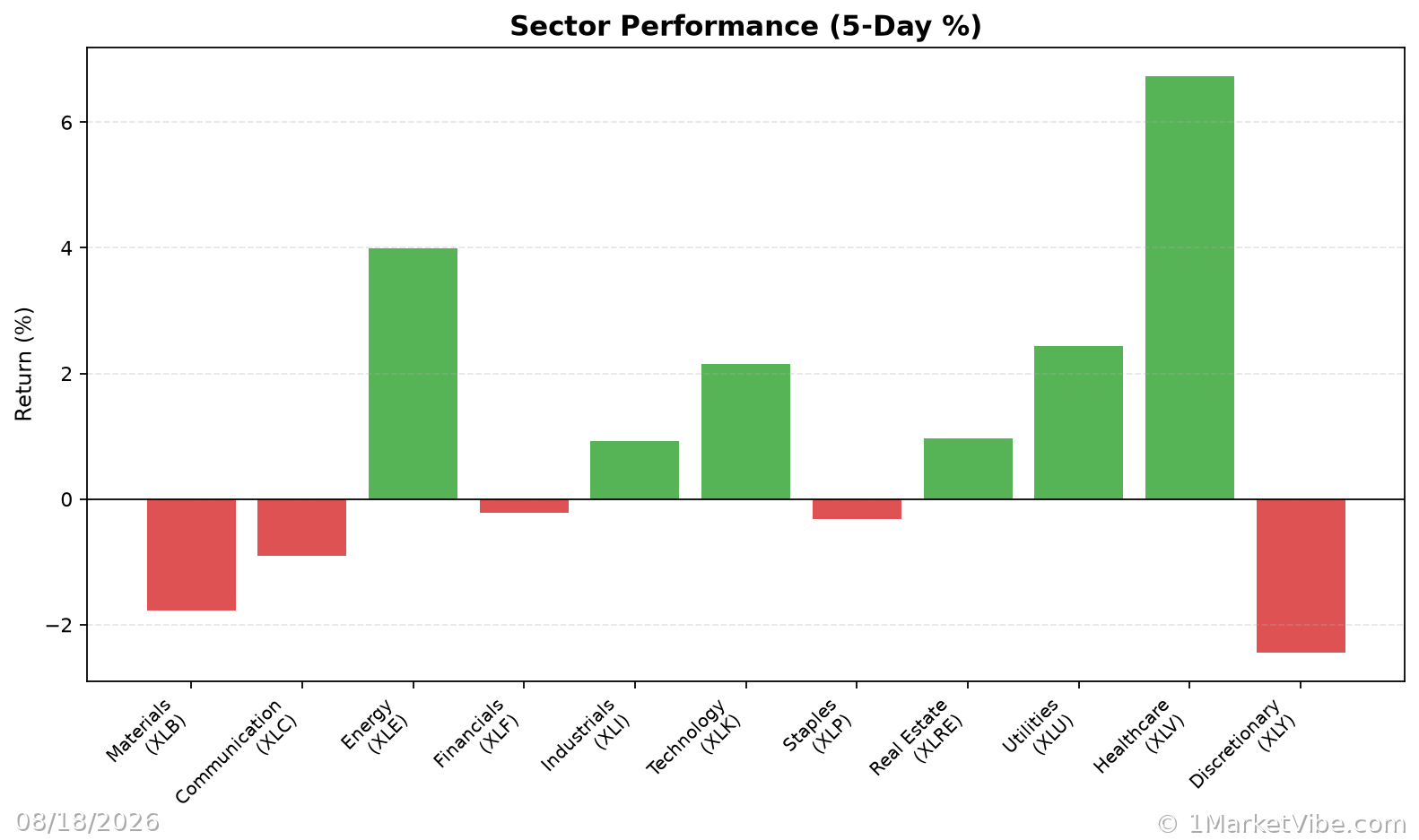
Market Sentiment
The sentiment across markets has shifted towards caution. Investors are advised to monitor their position sizing and consider hedging strategies if the CW Index continues its current trend. The bond market's reaction underscores the need for vigilance and proactive portfolio management.
What's Next
Looking ahead, investors should keep an eye on upcoming central bank meetings and inflation reports, which could further influence borrowing costs. The timeline for these events will be crucial in determining the next steps for portfolio adjustments. Potential scenarios include continued volatility or a stabilization if inflation fears subside.
Conclusion
As borrowing costs rise, investors are urged to stay informed and agile in their portfolio strategies. Monitoring risk signals and market responses will be key to navigating this challenging environment.
Track how markets respond in real-time at 1marketvibe.com.
Disclaimer: This article is for informational purposes only and should not be considered financial advice. Always consult with a financial advisor before making investment decisions.
Sources:
- Bloomberg Markets: Global Bonds Slump Sends Borrowing Costs Soaring
- Financial Times Home: Global bond sell-off deepens
- Financial Times Markets: Global bond sell-off deepens