
Bond Market Concerns: Three Investment Strategies to Consider
- Authors

- Name
- MarketVibe Team
- @1marketvibe
Bond Market Concerns: Three Investment Strategies to Consider
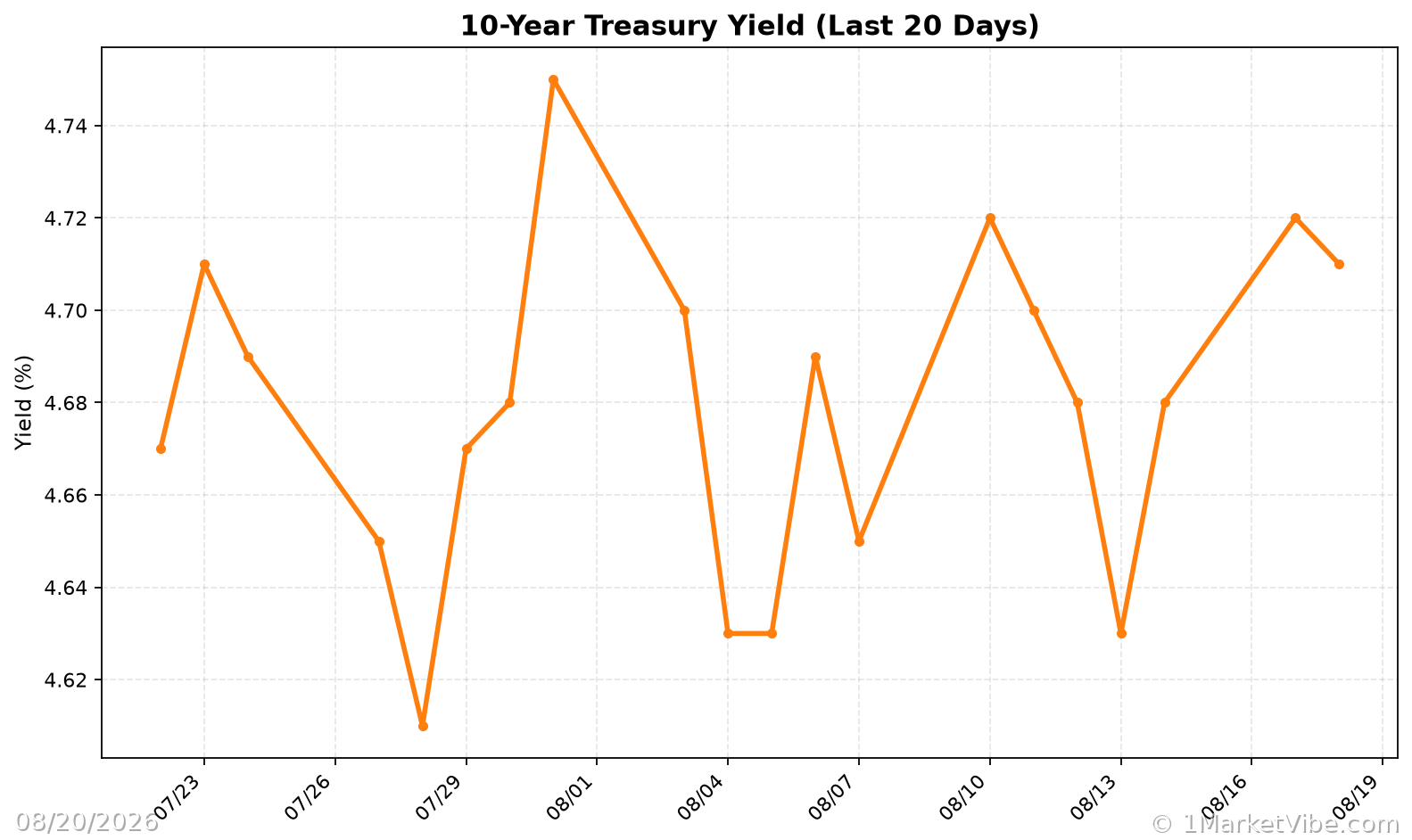
August 20, 2026 — The bond market is sending shockwaves through the financial world as long-term Treasury yields have surged to their highest levels since 2007. This alarming development is raising borrowing costs for consumers and businesses alike, potentially stifling economic growth. Investors are now faced with the challenge of navigating this volatile environment, as the implications of these rising yields ripple across global markets.
Why It Matters
The immediate impact of soaring Treasury yields is a tightening of financial conditions. As borrowing becomes more expensive, both consumer spending and business investments are likely to slow down. This could lead to a broader economic slowdown, affecting everything from housing markets to corporate profits. For investors, the rising yields signal increased risk in bond portfolios and potential volatility in equity markets. The current CW Index reading of 5.4 suggests that these shifts were anticipated, highlighting the importance of proactive risk management.
Context & Background
Historically, rising bond yields have often preceded economic slowdowns. The current situation is reminiscent of the pre-2008 financial crisis period, where high yields contributed to a tightening of credit conditions. The recent surge in yields has been driven by a combination of factors, including persistent inflationary pressures and expectations of continued monetary tightening by central banks. Key stakeholders affected include individual investors, institutional portfolio managers, and sectors heavily reliant on debt financing.
Investment Strategy Adjustments
In light of these developments, investors should consider the following strategies:
- Reassess Risk Tolerance: With bond market signals indicating heightened risk, it's crucial to evaluate the risk profile of your portfolio. Consider reducing exposure to long-duration bonds, which are more sensitive to interest rate changes.
Explore Alternatives: Amidst bond market volatility, alternative investments such as real estate, commodities, or dividend-paying stocks may offer more stable returns. Diversifying across asset classes can help mitigate risk.
Hedge Against Volatility: Implementing hedging strategies, such as options or futures, can protect against adverse market movements. This approach can provide a buffer against potential losses in both bond and equity markets.
What's Next
Investors should closely monitor upcoming economic data releases and central bank announcements, as these will provide further insights into the trajectory of interest rates and economic growth. The next Federal Reserve meeting, scheduled for September 20, 2026, will be particularly critical in shaping market expectations. Potential scenarios include continued rate hikes, which could exacerbate current trends, or a pause in tightening, offering some relief to markets.
As the bond market alarm continues to reverberate, staying informed and agile is essential. Investors must remain vigilant, adapting strategies as new information emerges.
Track how markets respond in real-time at 1marketvibe.com.
Disclaimer: This article is for informational purposes only and does not constitute financial advice. Always consult with a financial advisor before making investment decisions.
Sources
- The Washington Post: The bond market is sounding an alarm. Here’s what it means.
- The Wall Street Journal: Stock Market Today: Global Bonds Stabilize After Selloff, Dow Futures Muted — Live Updates
- Yahoo Finance: Target delivers earnings beat, CEO 'encouraged' by turnaround traction
Charts