


Bitcoin Selloff Indicates Broader Market Risks
February 5, 2026 – In a dramatic turn of events, Bitcoin has experienced a significant selloff, plummeting by 15% overnight to hit a low of $28,000. This sharp decline, which began late yesterday, has sent shockwaves through the cryptocurrency market and beyond, raising concerns about broader financial market stability. The selloff comes as investors react to heightened regulatory scrutiny and fears of a potential economic slowdown.
Why It Matters
The immediate impact of Bitcoin's plunge is being felt across global markets. Cryptocurrency-related stocks, including major players like Coinbase and MicroStrategy, have seen their values drop by over 10% in pre-market trading. This selloff is not just a cryptocurrency issue; it signals potential risks for the broader financial markets. Investors are now questioning the stability of digital assets and their role in diversified portfolios. MarketVibe's CW Index, which tracks market risk sentiment, has ticked up to 5.4, suggesting increased caution among investors.
Context & Background
Historically, significant Bitcoin selloffs have often preceded broader market corrections. The current decline is reminiscent of the 2021 crash when Bitcoin's value halved in a matter of weeks, leading to a ripple effect across tech stocks and emerging markets. This latest downturn is attributed to a combination of factors, including regulatory pressures from major economies and warnings from financial experts. Notably, investor Michael Burry has cautioned that Bitcoin could enter a "death spiral," affecting corporate holders and miners.
Ripple Effects
The implications of this selloff extend beyond the cryptocurrency sphere. Key sectors such as technology and finance, which have significant exposure to digital assets, are likely to experience heightened volatility. Historical precedents suggest that such selloffs can lead to broader market instability, as seen in past financial crises where interconnected assets triggered widespread selloffs.
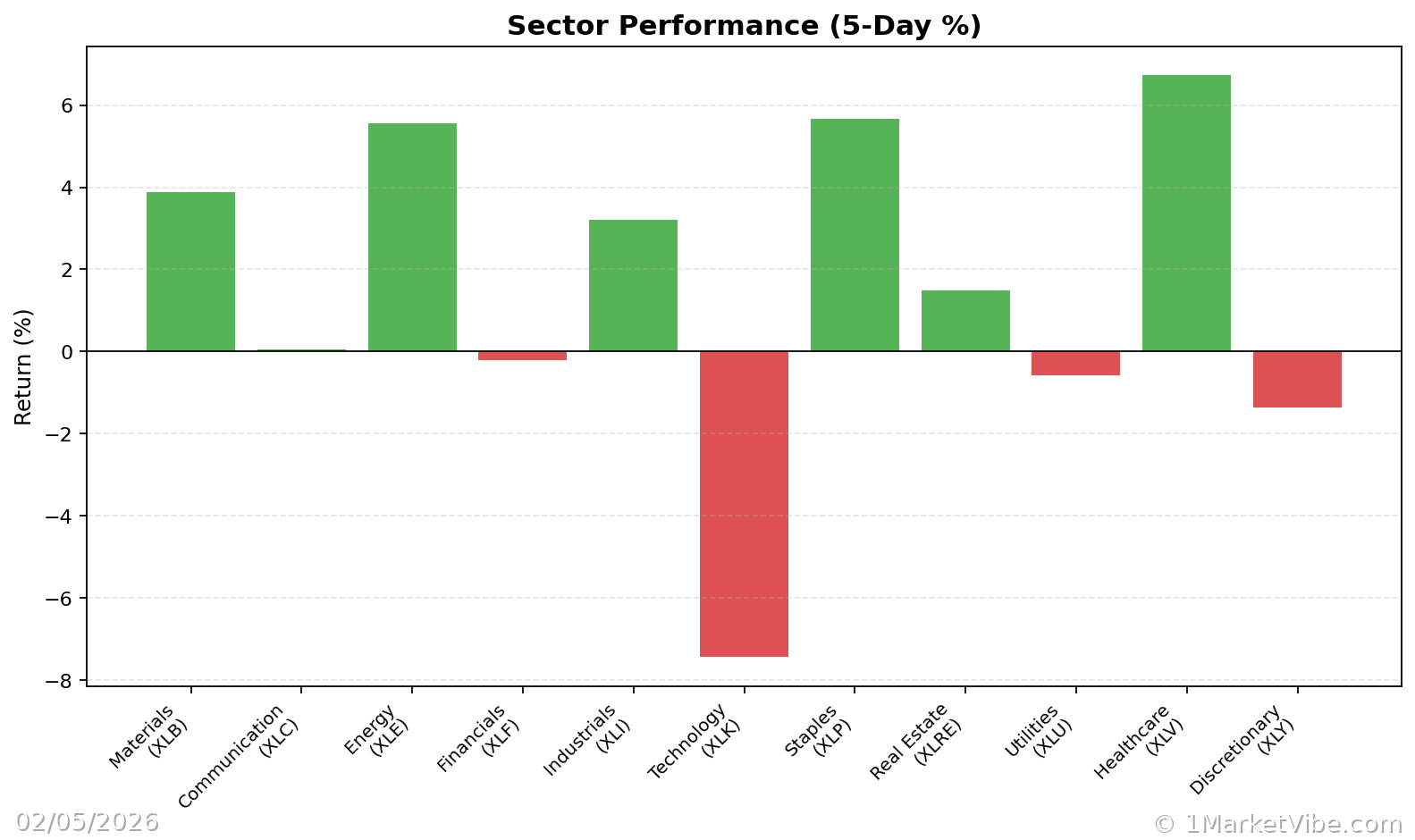
Sector Analysis
The technology sector, already jittery from recent software market fluctuations, faces additional pressure as Bitcoin's decline threatens to dampen investor sentiment. Financial institutions with substantial cryptocurrency investments are also at risk, potentially impacting their balance sheets and future earnings. Investors should be particularly vigilant about these sectors, as they are most vulnerable to the ongoing volatility.
Risk Awareness
For investors, this means reassessing the risk exposure of their portfolios, particularly in sectors heavily tied to cryptocurrency performance. Diversification remains crucial in navigating such turbulent times. While Bitcoin's volatility is a known risk, its potential to influence broader market dynamics underscores the importance of a balanced investment strategy.
What's Next
Investors should closely monitor upcoming regulatory announcements and economic indicators that could further influence market sentiment. The next few weeks will be critical in determining whether this selloff is an isolated incident or the start of a more significant market correction. Key events to watch include central bank meetings and corporate earnings reports, which may provide additional insights into market direction.
Track how markets respond in real-time at 1marketvibe.com.
Disclaimer: This article is for informational purposes only and does not constitute financial advice. Please consult with a financial advisor before making investment decisions.