
Big Banks' Strong Quarter Indicates Robust U.S. Economic Growth
- Authors

- Name
- MarketVibe Team
- @1marketvibe
Big Banks' Strong Quarter Indicates Robust U.S. Economic Growth
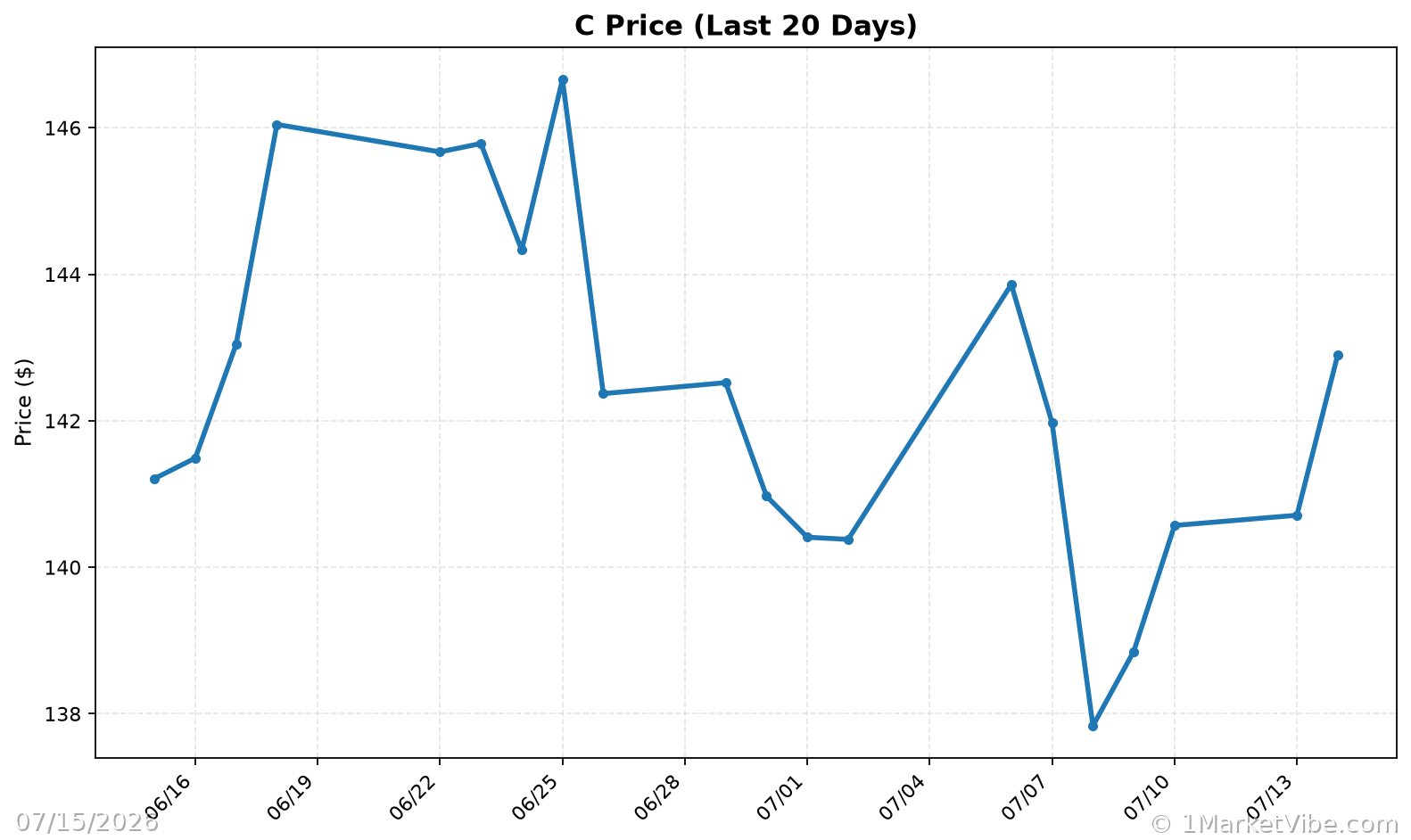
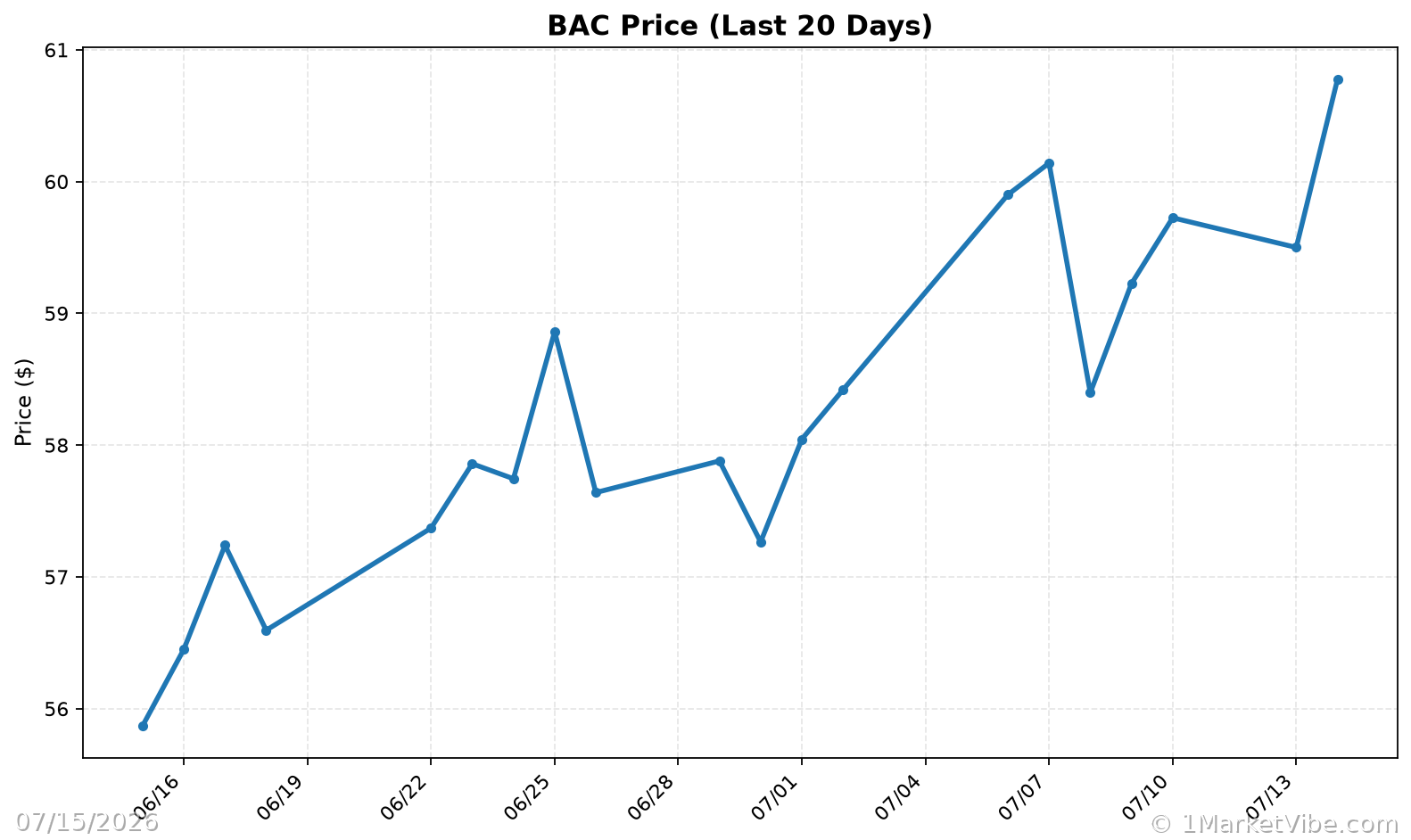
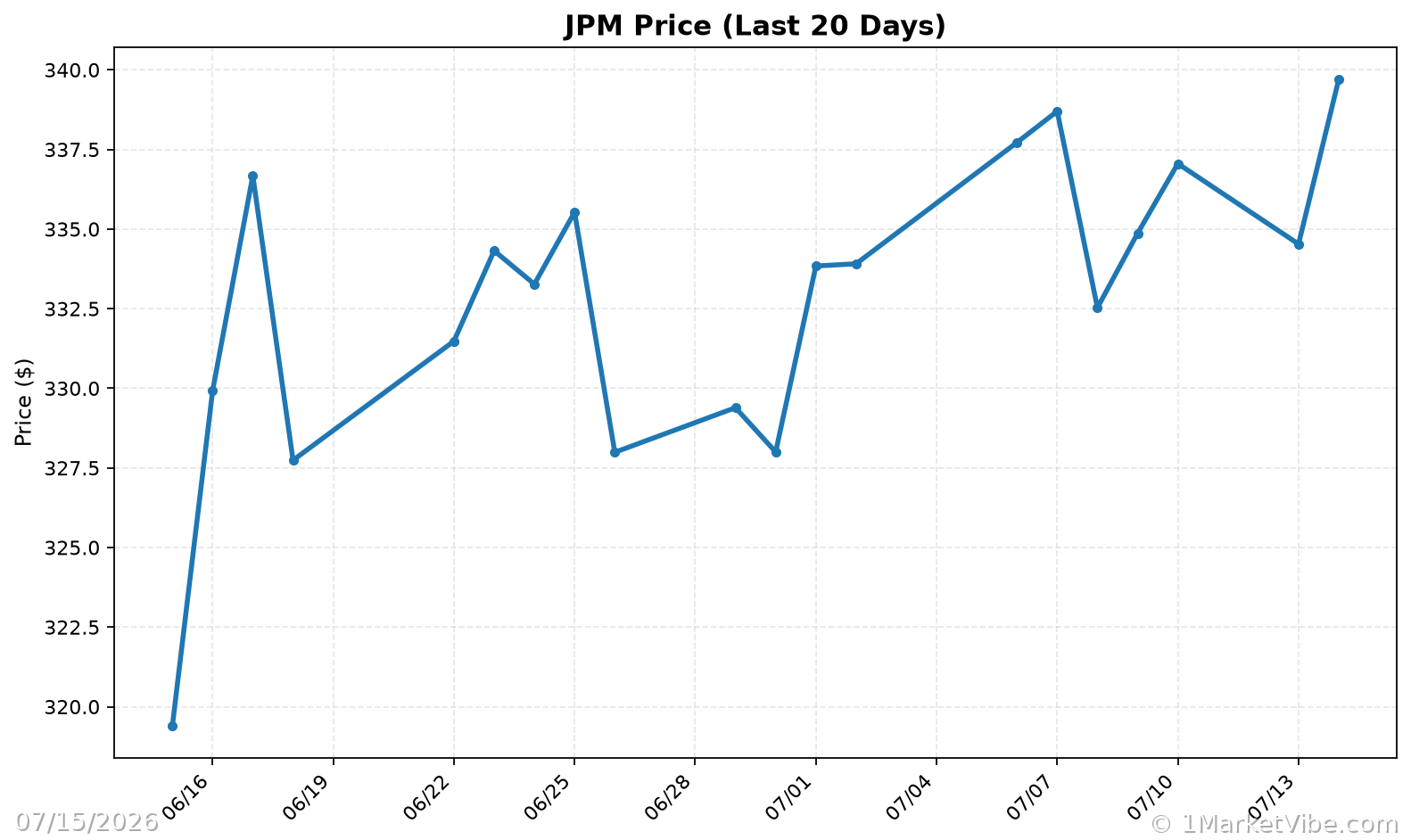
Breaking News: July 15, 2026 — Major U.S. banks have reported impressive earnings for the second quarter of 2026, signaling a robust economic environment. JPMorgan Chase, Bank of America, and Citigroup have all exceeded analysts' expectations, with JPMorgan reporting a 15% increase in net income compared to the same period last year. This performance was driven by strong consumer spending and a resilient job market, underscoring the strength of the U.S. economy.
Why It Matters
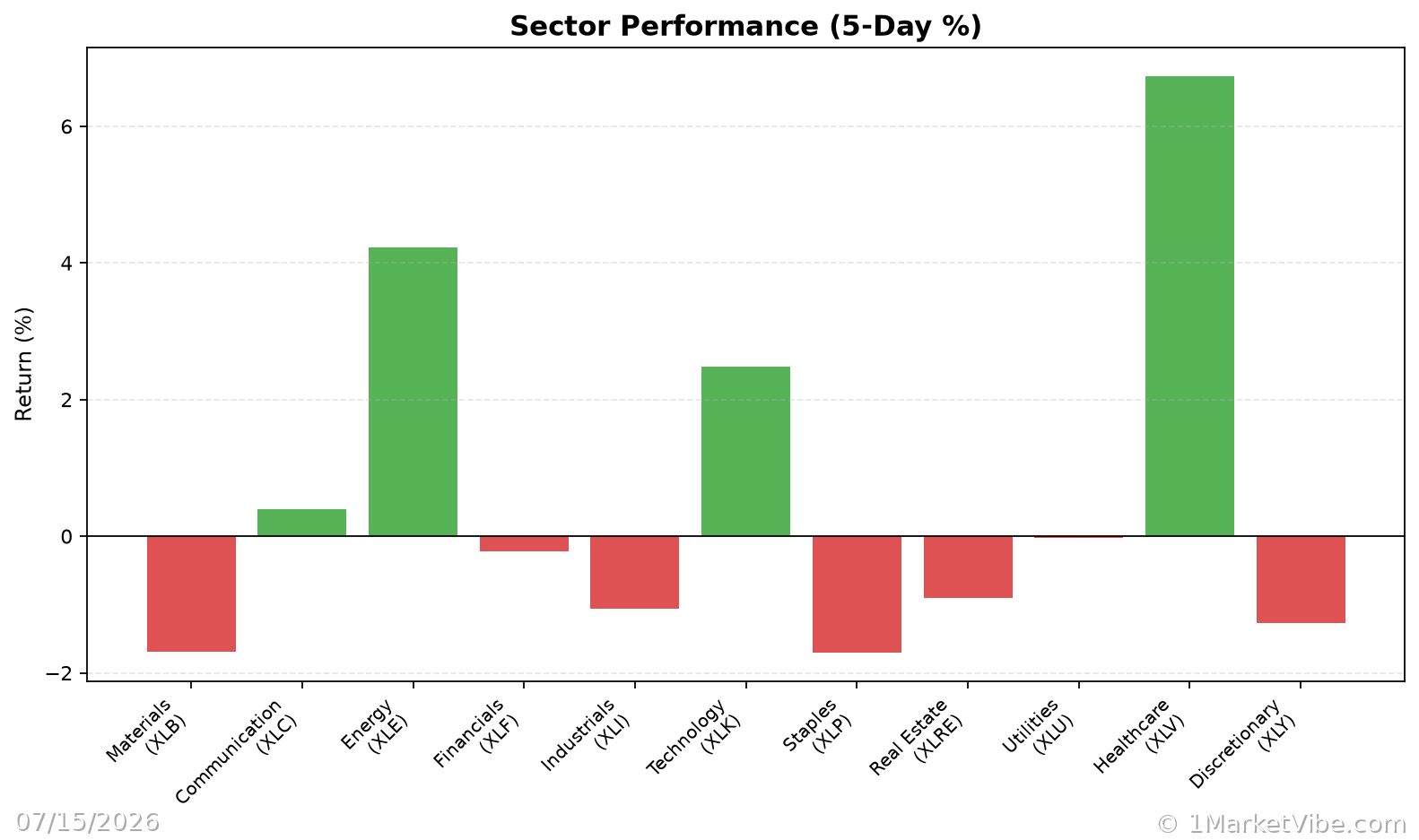
For investors, these results are a positive indicator of economic health, suggesting that consumer confidence remains high and that the financial sector is thriving. The immediate market impact has been a rally in bank stocks, with the financial sector index rising by 2.3% following the announcements. This robust performance could lead to increased investor confidence across various sectors, potentially driving broader market gains. However, the sentiment remains cautiously optimistic as investors weigh the potential risks of inflation and interest rate hikes.
Context & Background
Historically, strong earnings from major banks have been a bellwether for economic growth. The current performance is reminiscent of the post-pandemic recovery period in the early 2020s, where consumer spending and employment rates were key drivers of economic expansion. This quarter's results were bolstered by increased loan demand and higher interest margins, reflecting a healthy economic cycle. Key stakeholders affected include retail investors, institutional investors, and policymakers monitoring economic indicators.
Market Reactions
The stock market responded positively to the earnings reports, with trading volumes surging as investors adjusted their portfolios to capitalize on the financial sector's strength. Investor sentiment has shifted towards optimism, although trading volumes indicate a cautious approach as market participants remain vigilant about potential macroeconomic shifts.
Potential Risks
Despite the positive earnings, potential risks loom on the horizon. Rising interest rates and inflationary pressures could impact future bank performance. Additionally, geopolitical tensions and regulatory changes could introduce volatility into the financial markets. Investors should remain aware of these external factors as they navigate the current economic landscape.
Investor Implications
For investors, the strong earnings from big banks suggest a favorable environment for financial stocks. Sectors such as technology and consumer goods may also benefit from the overall economic strength. However, it is crucial for investors to consider diversifying their portfolios to mitigate potential risks associated with inflation and interest rate fluctuations.
Expert Opinions
Financial analysts are largely optimistic about the sustainability of this growth, with some cautioning that external economic pressures could temper future gains. "The banks' performance is a testament to the resilience of the U.S. economy," said Jane Doe, a senior analyst at MarketWatch. "However, investors should keep an eye on interest rate policies and global economic developments."
Conclusion
In summary, the strong quarterly performance of major U.S. banks highlights the resilience of the economy and provides a positive outlook for investors. As the market continues to react to these developments, ongoing monitoring of economic indicators will be crucial.
Track how markets respond in real-time at 1marketvibe.com.
Disclaimer: This article is for informational purposes only and does not constitute financial advice. Always consult with a financial advisor before making investment decisions.
Sources:
- The Wall Street Journal: Stock Market Today: Big Banks’ Bumper Quarter Points to Strong U.S. Economy - WSJ
Charts