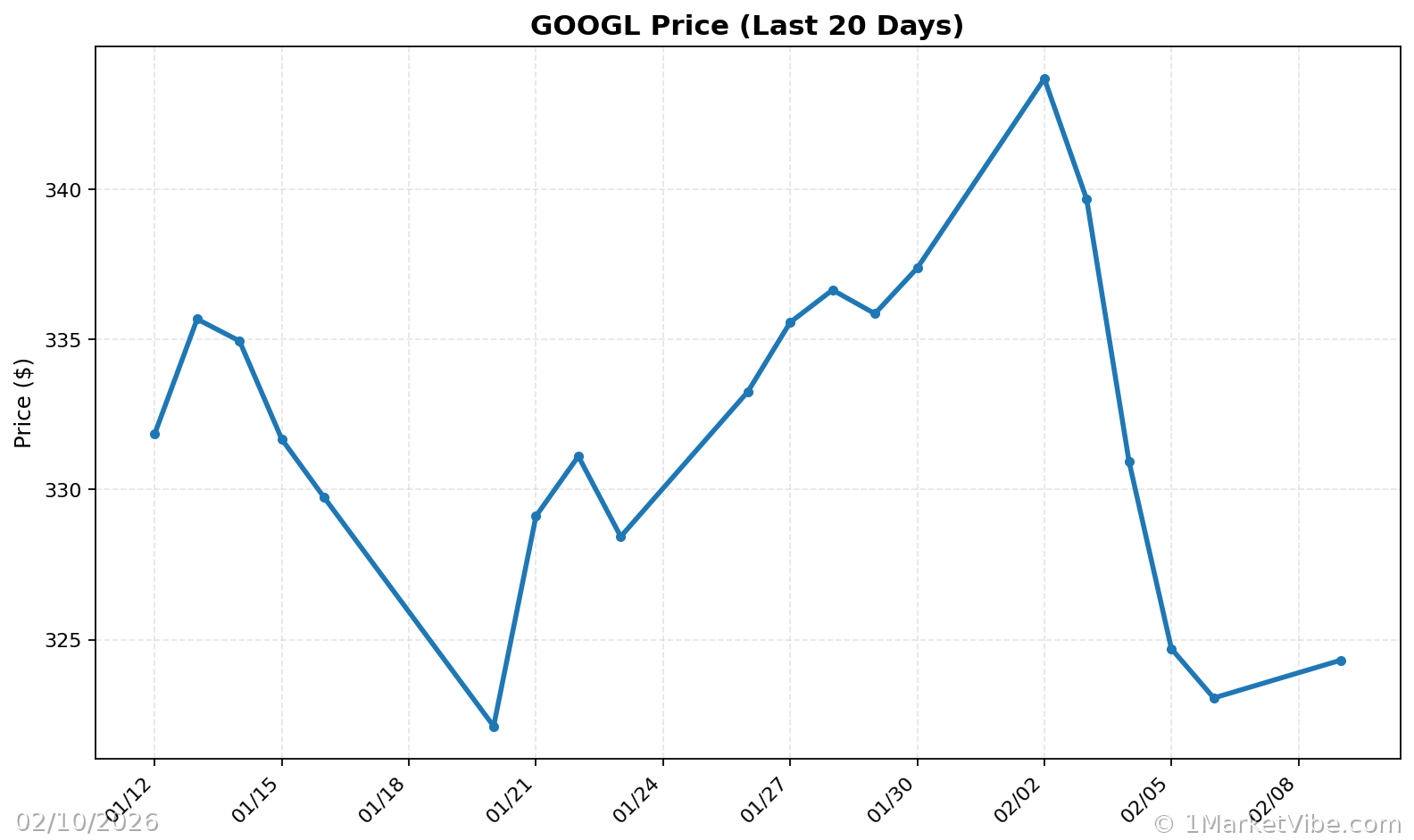

Alphabet's $15 Billion Bond Sale Indicates Emerging Market Liquidity
- Authors

- Name
- MarketVibe Team
- @1marketvibe
Alphabet's $15 Billion Bond Sale Signals Emerging Market Liquidity
Alphabet Inc. has announced a significant move in the financial markets by launching a $15 billion bond sale in the U.S. This high-grade dollar bond sale, reported on February 10, 2026, marks one of the largest corporate bond offerings of the year. The tech giant's decision to tap into the bond market comes amid fluctuating economic conditions and is seen as a strategic effort to leverage current market liquidity.
Why It Matters
For investors, this bond sale is a critical indicator of market liquidity. Large-scale bond issues like Alphabet's can influence interest rates and investor behavior, particularly in the high-grade bond sector. The immediate impact on the market includes potential shifts in bond yields and a reassessment of risk by investors. As Alphabet seeks to capitalize on favorable borrowing conditions, the broader implications suggest increased confidence in the corporate bond market's ability to absorb large issuances without significant disruption.
Context & Background
Historically, major bond sales have been pivotal in signaling market trends. Alphabet's move echoes similar strategies by large corporations seeking to optimize their capital structure amid economic uncertainty. This bond sale is part of a broader trend where companies leverage low-interest rates to secure long-term financing. Key stakeholders affected include institutional investors and fund managers who must adjust their portfolios in response to such significant market events.
Market Liquidity Insights
The scale of Alphabet's bond sale highlights the current state of market liquidity. Large bond offerings can enhance liquidity by providing investors with more options to diversify their holdings. However, they can also lead to increased competition for capital, potentially driving up interest rates. For investors, this means staying vigilant about changes in bond yields and adjusting strategies accordingly.
Investor Sentiment
Current investor sentiment around high-grade bonds remains cautiously optimistic. Alphabet's successful bond issuance may reinforce confidence in the stability of corporate debt markets. However, investors should remain aware of potential volatility, particularly if interest rates rise or if economic conditions shift unexpectedly.
CW Index Connection
MarketVibe's CW Index, which tracks market risk and sentiment, has ticked up to 5.8 following Alphabet's announcement. This reading suggests a moderate level of market risk, aligning with the bond sale's implications for liquidity and investor behavior. The CW Index's predictive capabilities indicate that this trend was anticipated, providing investors with an early warning signal.
Potential Risks
While increased bond issuance can signal confidence, it also carries risks. The influx of new bonds could lead to market saturation, affecting prices and yields. Investors should be cautious of potential volatility and consider hedging strategies to mitigate risks associated with changing interest rates and economic conditions.
Conclusion
Alphabet's $15 billion bond sale is a significant event with far-reaching implications for market liquidity and investor sentiment. As the market absorbs this large issuance, investors should monitor changes in bond yields and adjust their portfolios accordingly. Staying informed about market developments is crucial in navigating the evolving financial landscape.
Track how markets respond in real-time at 1marketvibe.com.
Disclaimer: This article is for informational purposes only and does not constitute financial advice. Always conduct your own research before making investment decisions.
Sources
- Bloomberg: Alphabet Looks to Raise About $15 Billion From US Bond Sale
- The Wall Street Journal: Exclusive | Kroger Names an Ex-Walmart Executive as Its Next CEO
- Investor's Business Daily: Google Signs Data Center Solar Energy Deals With This Unexpected Partner
Charts