
AI-Driven Volatility Causes $1 Trillion Decline in Chip Market
- Authors

- Name
- MarketVibe Team
- @1marketvibe
AI-Driven Volatility Causes $1 Trillion Decline in Chip Market
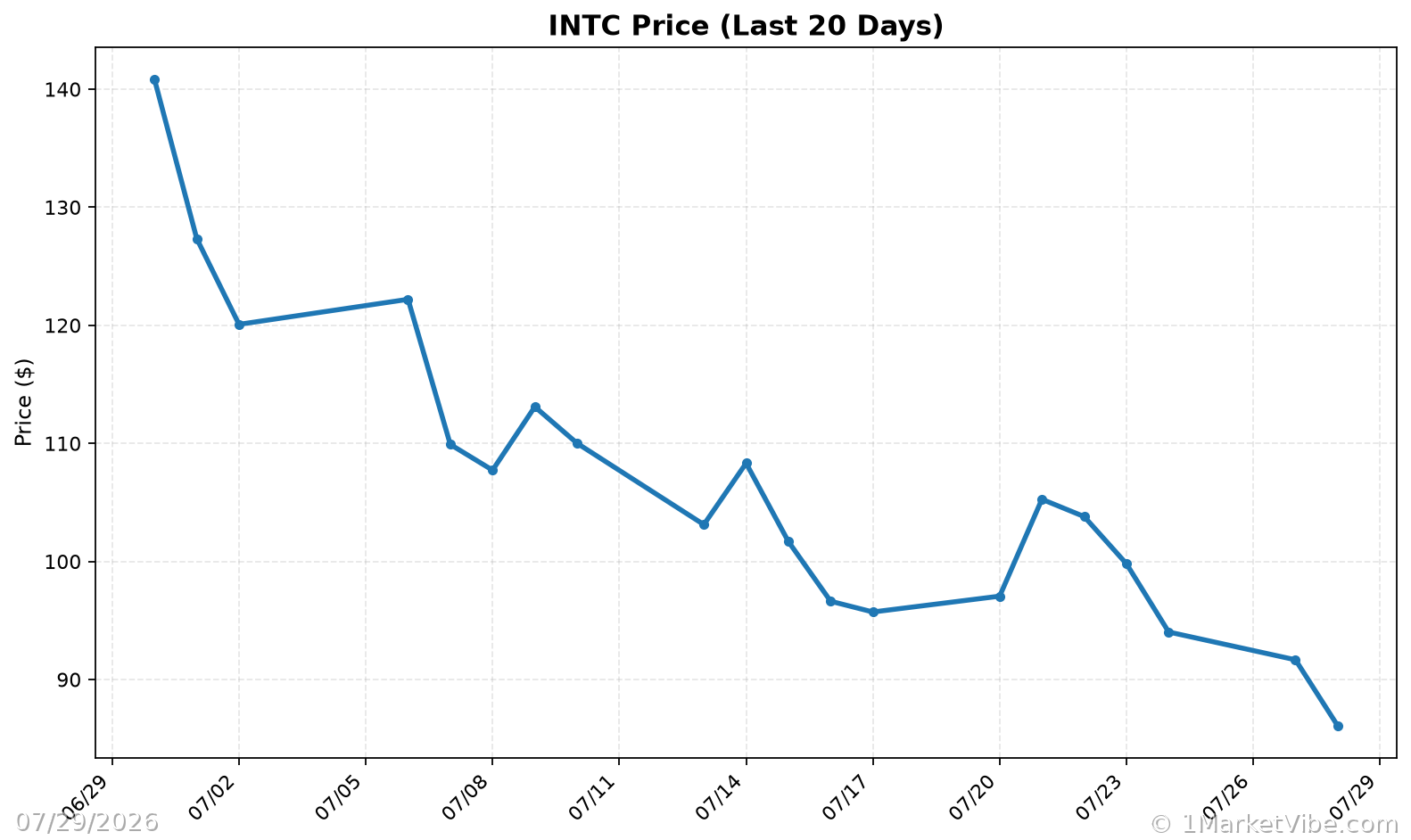
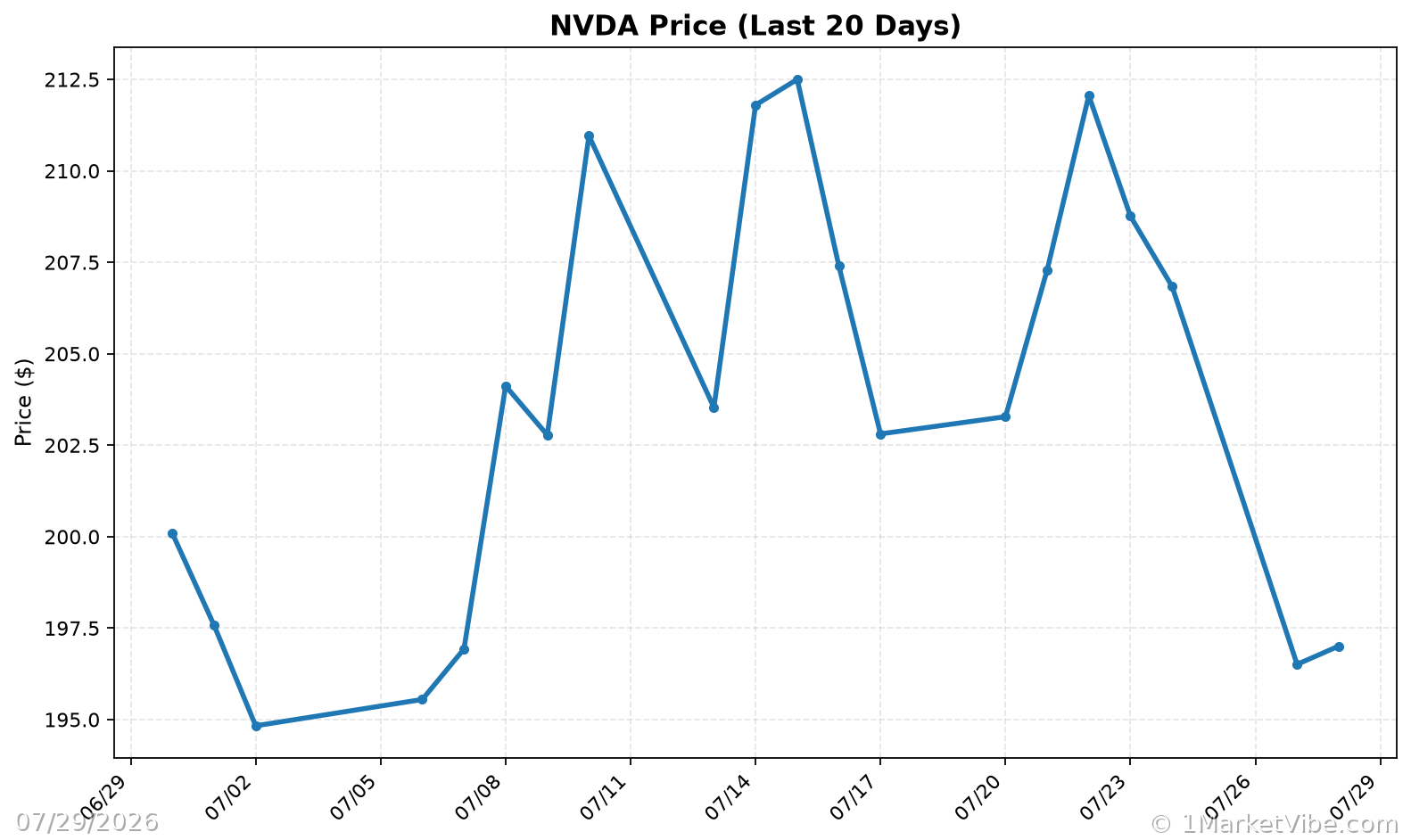
In a dramatic turn of events, the global chip market has suffered a staggering $1 trillion loss in valuation, driven by heightened volatility in artificial intelligence (AI) sectors. This unprecedented decline, as of July 29, 2026, has sent shockwaves through financial markets globally, with major chip manufacturers like NVIDIA and Intel seeing their stock prices plummet by over 15% in just a week. The selloff highlights the growing pains of an industry grappling with rapid technological advancements and market uncertainties.
Why It Matters
The immediate impact of this selloff is a stark reminder of the risks associated with the AI-driven tech sector. Investors are now facing increased portfolio volatility, as the chip market's downturn could signal broader economic implications. The sentiment has shifted from cautious optimism to heightened concern, with the MarketVibe's CW Index reflecting this change, ticking up to 4.32. For investors, this means a potential reassessment of risk exposure is necessary, especially in tech-heavy portfolios.
Context & Background
Historically, the chip market has been a bellwether for technological innovation and economic growth. However, the current volatility is reminiscent of the dot-com bubble of the early 2000s, where speculative investments led to massive market corrections. The recent surge in AI development has pushed demand for advanced chips, but supply chain disruptions and pricing pressures have compounded risks. Key stakeholders, including tech giants and semiconductor manufacturers, are now navigating a landscape fraught with uncertainty.
Chipmaker Risks
Chip manufacturers are facing multiple challenges, including supply chain vulnerabilities and fluctuating demand. The reliance on a few key suppliers for critical components has exposed the industry to significant risks. Additionally, pricing pressures from increased competition and the need for constant innovation are squeezing profit margins. As a result, companies are being forced to rethink their strategies to maintain competitiveness in an evolving market.
Economic Indicators
The current CW Index reading of 4.32 suggests a cautious outlook for the chip market, with potential early warning signals of further volatility. This index, known for its predictive capabilities, indicates that the market correction was somewhat foreseeable. Investors are advised to monitor these signals closely as they adjust their strategies to mitigate risks in their portfolios.
Comparative Analysis
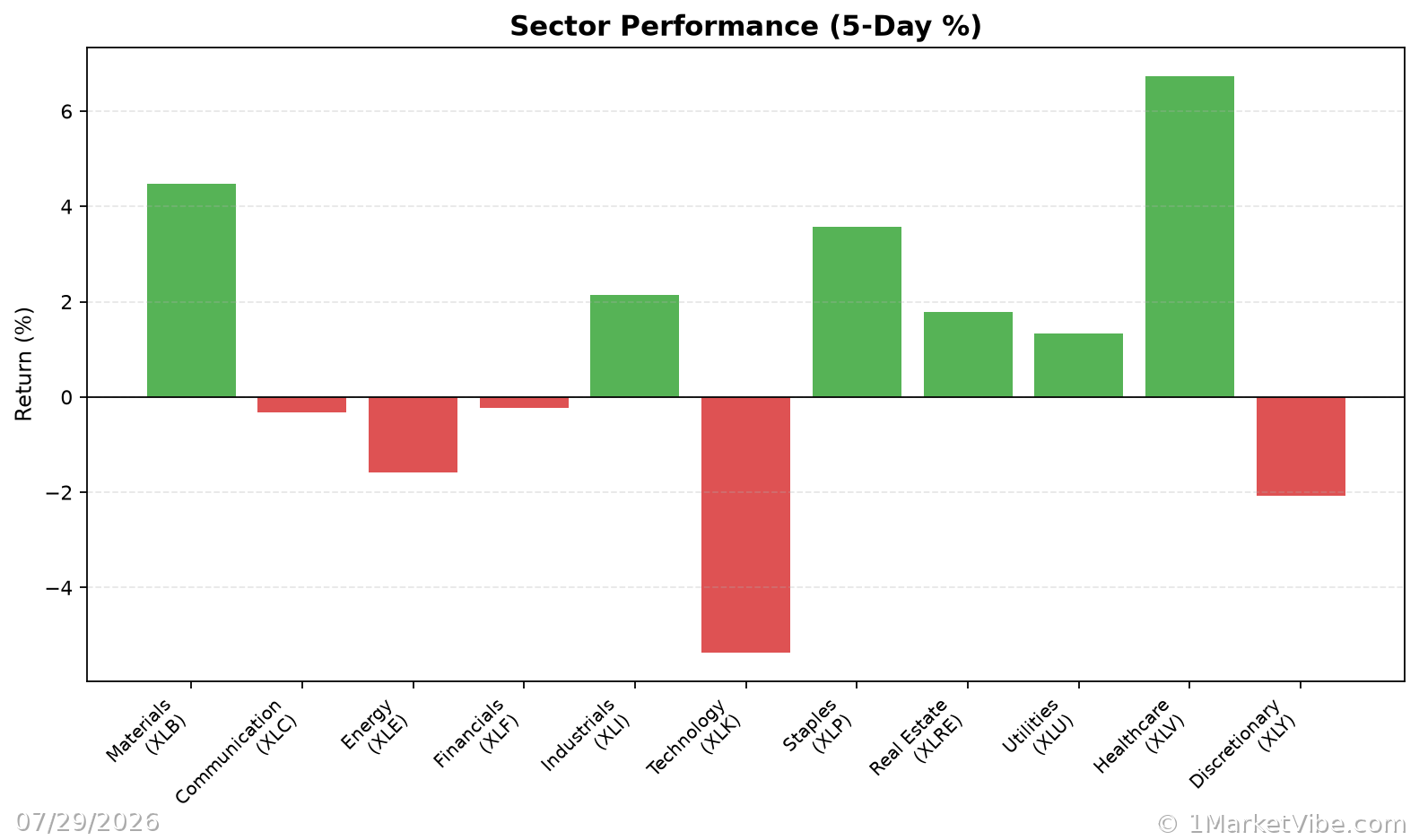
The tech sector as a whole is experiencing volatility, but the chip market's decline is particularly pronounced. Comparatively, other sectors, such as consumer electronics and automotive, have shown resilience, albeit with their own set of challenges. Recent earnings reports from major companies reveal mixed results, with some outperforming expectations while others struggle to maintain growth amid economic headwinds.
Investor Sentiment
Market sentiment has turned neutral as investors weigh the potential for recovery against ongoing risks. The selloff has prompted a reevaluation of tech portfolios, with many opting for a more diversified approach to hedge against future volatility. For investors, this means staying informed and agile, ready to adapt to changing market conditions.
Conclusion
The $1 trillion decline in the chip market underscores the volatility inherent in AI-driven sectors. While the future remains uncertain, investors should remain vigilant, keeping an eye on market signals and adjusting their strategies accordingly. As the situation develops, staying informed will be crucial for navigating these turbulent times.
Track how markets respond in real-time at 1marketvibe.com.
Disclaimer: This article is for informational purposes only and does not constitute financial advice. Always consult with a financial advisor before making investment decisions.
Sources:
- CNBC, NPR, MarketVibe Data
Charts