
Understanding the Implications of the Recent $150 Oil Surge for Global Investors
- Authors

- Name
- MarketVibe Team
- @1marketvibe
Understanding the Implications of the Recent $150 Oil Surge for Global Investors
The recent surge in oil prices to $150 per barrel has sent ripples through global markets, raising concerns about potential economic impacts. As investors seek clarity in these volatile times, understanding the implications of this price spike is crucial. MarketVibe's proprietary Enhanced CW Index, a 0-10 scale that provides a 4-6 week early warning of market corrections by tracking institutional gold flows and market breadth, is currently at 5.3. This level is below the 7.0 warning threshold, indicating moderate risk, yet it suggests that investors should remain vigilant.
Learn more about how CW Index works at 1marketvibe.com.
Current Market Sentiment
Despite the sharp increase in oil prices, the current market sentiment remains neutral. MarketVibe's Enhanced CW Index at 5.3 indicates early warning signs but not immediate alarm. Historically, when the CW Index hit 7.1 in March 2023, markets fell 8.3% over the following month. This context underscores the importance of monitoring CW Index movements closely, especially if it trends towards the 6.5 level, which could signal increased market volatility.
Impact on Inflation
Rising oil prices have the potential to exacerbate inflation concerns globally. Higher energy costs can lead to increased production and transportation expenses, which may be passed on to consumers. This scenario could pressure central banks to adjust monetary policies, potentially impacting interest rates and economic growth. MarketVibe's CW Index suggests that investors should be cautious of inflationary pressures that could arise from sustained high oil prices.
Sector Vulnerabilities
Three sectors are particularly vulnerable to the recent oil price surge:
- Transportation: Increased fuel costs can significantly impact airlines and logistics companies, potentially squeezing profit margins.
- Manufacturing: Higher energy prices may lead to increased production costs, affecting competitiveness and pricing strategies.
- Consumer Goods: Rising transportation and production costs could lead to higher consumer prices, impacting demand.
MarketVibe's Enhanced CW Index provides a valuable early warning system for investors to monitor these sectors closely.
Investment Strategies
Given the current market dynamics, investors should consider the following strategies:
- Monitor oil-related investments: Keep a close eye on companies directly affected by oil price fluctuations.
- Hedging strategies: Consider using options or futures to hedge against potential losses in oil-sensitive sectors.
- Diversification: Ensure portfolios are diversified to mitigate risks associated with sector-specific downturns.
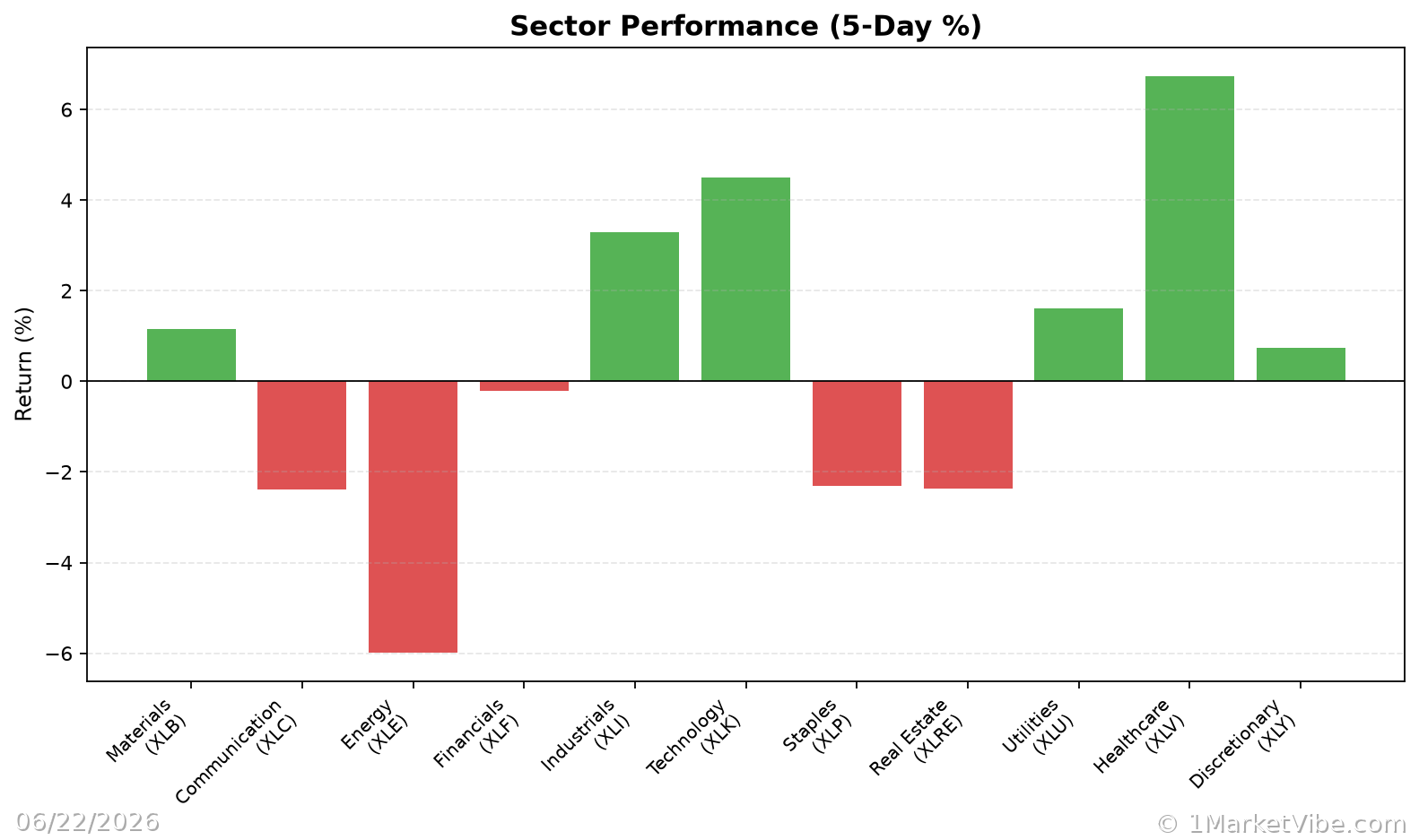
According to MarketVibe data, these strategies can help manage risk in volatile markets.
Global Market Reactions
The ripple effects of the oil price surge are being felt across global markets. Historically, similar price spikes have led to increased volatility and shifts in investor sentiment. For instance, during the 2008 oil price surge, global markets experienced significant turbulence. MarketVibe's 4-6 week early warning capability suggests that investors should be prepared for potential market corrections.
MarketVibe Decision Edge™: Your Action Plan
MarketVibe's Decision Edge™ Method simplifies complex market signals into three clear steps: Glance → Learn → Act. This proprietary framework helps investors turn market intelligence into actionable decisions.
🔍 Glance (10-Second Takeaway)
- Current CW Index reading: 5.3, indicating moderate risk.
- Overall market status: Yellow flag, suggesting caution.
- Key metric to watch: CW Index movements towards 6.5.
📚 Learn (2-Minute Deep Dive)
The current oil price surge to $150 per barrel is reminiscent of past market disruptions. In 2008, similar spikes led to increased inflation and market volatility. The Enhanced CW Index, with its gold component providing a 4-6 week early warning, suggests that investors should closely monitor inflationary trends and central bank responses. Understanding these dynamics is crucial for navigating potential market shifts.
⚡ Act (Specific Steps)
- Review Portfolio Allocations: Consider reducing exposure to oil-sensitive sectors if the CW Index trends upwards.
- Implement Hedging Strategies: Use options or futures to protect against potential losses.
- Stay Informed: Regularly check CW Index updates and adjust strategies accordingly.
Access MarketVibe's full Decision Edge framework at 1marketvibe.com →
Conclusion
The recent surge in oil prices to $150 per barrel presents both challenges and opportunities for global investors. By leveraging MarketVibe's Enhanced CW Index and Decision Edge™ Method, investors can gain valuable insights and make informed decisions. Staying informed and proactive is key to navigating these uncertain times.
Disclaimer: This article is for informational purposes only and does not constitute financial advice. Always consult with a financial advisor before making investment decisions.