
Spirit Airlines Issues Liquidation Warning: Recommended Actions for Investors
- Authors

- Name
- MarketVibe Team
- @1marketvibe
Spirit Airlines Issues Liquidation Warning: Recommended Actions for Investors
Spirit Airlines is facing a potential liquidation as early as this week, a development that could have significant implications for investors. According to sources, the budget carrier is struggling with a combination of high fuel costs and operational challenges. This situation is unfolding amidst a broader market context that investors should closely monitor.
Current Financial Status
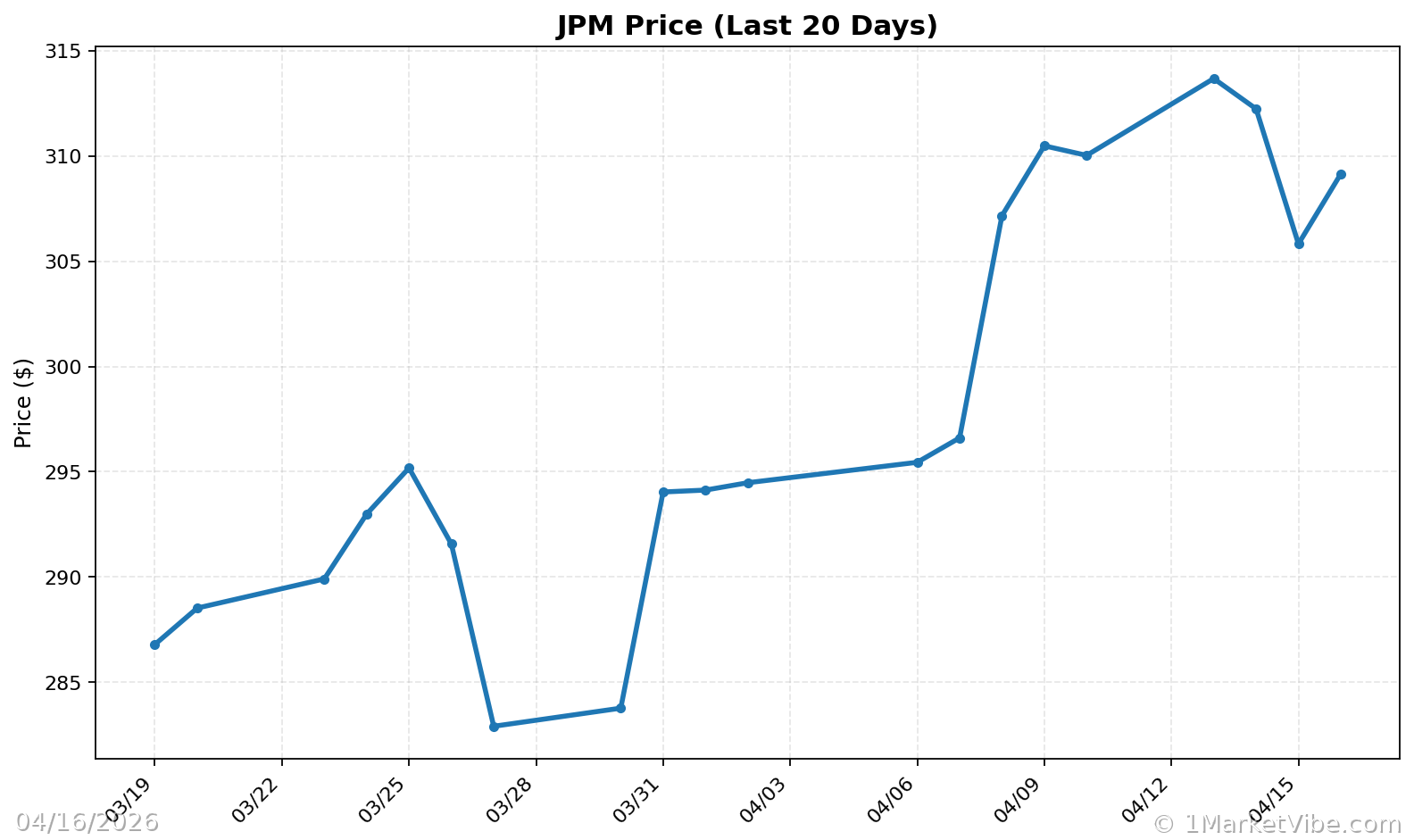
Spirit Airlines' financial troubles have been exacerbated by a spike in fuel prices, which is the airline's largest expense after labor. With jet fuel prices reaching an average of $4.88 per gallon, Spirit's operational margins are under severe pressure. JPMorgan analysts have projected that if fuel prices remain at current levels, Spirit could incur an additional $360 million in costs, far exceeding its $337 million cash balance as of the end of last year.
Market Reactions
The potential liquidation of Spirit Airlines is causing ripples across the airline industry. Competitors like Frontier Airlines and JetBlue Airways are already positioning themselves to capture Spirit's market share, with significant capacity overlaps. This competitive pressure, combined with Spirit's financial woes, is creating a volatile environment for airline stocks.
Enhanced CW Index Insights
MarketVibe's proprietary Enhanced CW Index, currently at 5.7, provides a crucial early warning system for investors. This index, which operates on a 0-10 scale, offers a 4-6 week advance notice of potential market corrections by tracking institutional gold flows and market breadth. A reading of 5.7 indicates moderate risk, below the 7.0 threshold that signals heightened caution. Historically, when the CW Index hit 7.1 in March 2023, markets fell 8.3% over the following month. Investors should watch for any upward movement in the CW Index, particularly if it approaches the 6.5 level, which could suggest increasing market instability.
Learn more about how CW Index works at 1marketvibe.com.
Impact of Rising Fuel Costs
Fuel costs are a critical factor in Spirit's current predicament. The price of jet fuel has surged by 95% since the onset of the Iran war in February, placing additional strain on Spirit's already tight margins. This increase in costs is not only affecting Spirit but is also a significant concern for the entire airline sector, potentially leading to broader market implications.
Comparative Analysis
Spirit Airlines' situation is reminiscent of past airline industry challenges. For example, during the 2008 financial crisis, several airlines faced similar liquidity issues due to soaring fuel prices and declining demand. The current scenario, with its unique challenges such as post-pandemic shifts in consumer behavior and regulatory hurdles, requires investors to be particularly vigilant.
Risk Factors
Investors should be aware of several risk factors associated with Spirit Airlines' potential liquidation:
- Fuel Price Volatility: Continued fluctuations in fuel prices could further impact airline profitability.
- Competitive Pressures: Increased competition from other carriers could erode market share.
- Regulatory Challenges: Past regulatory decisions, such as the blocked acquisition by JetBlue, highlight potential hurdles.
MarketVibe Decision Edge™: Your Action Plan
MarketVibe's Decision Edge™ Method simplifies complex market signals into three clear steps: Glance → Learn → Act. This proprietary framework helps investors turn market intelligence into actionable decisions.
🔍 Glance (10-Second Takeaway)
- Current CW Index: 5.7, indicating moderate risk
- Market Status: Yellow flag
- Key Metric to Watch: Fuel price trends
📚 Learn (2-Minute Deep Dive)
Spirit Airlines' potential liquidation is a significant market development. The airline's financial instability, driven by high fuel costs and competitive pressures, poses a risk not only to its survival but also to the broader airline sector. Historical parallels, such as the 2008 crisis, underscore the importance of monitoring these developments closely. Investors should pay attention to the CW Index, as any upward movement could signal broader market corrections. The gold component of the CW Index provides a 4-6 week early warning, making it an invaluable tool for anticipating market shifts.
⚡ Act (Specific Steps)
- Reassess Portfolio Exposure: Reduce exposure to the airline sector if the CW Index approaches 6.5.
- Consider Hedging Strategies: Use options or other derivatives to hedge against potential downturns in airline stocks.
- Monitor Fuel Prices: Keep a close eye on fuel price trends and adjust positions accordingly.
- Stay Informed: Regularly check MarketVibe's CW Index for any significant changes.
Access MarketVibe's full Decision Edge framework at 1marketvibe.com →
Conclusion
Spirit Airlines' potential liquidation is a critical event for investors to monitor. The airline's financial challenges, compounded by rising fuel costs and competitive pressures, highlight the importance of staying informed and prepared. MarketVibe's Enhanced CW Index and Decision Edge™ Method provide valuable tools for navigating these uncertain times. By leveraging these insights, investors can make informed decisions to protect and potentially enhance their portfolios.
Disclaimer: This article is for informational purposes only and does not constitute financial advice. Investors should conduct their own research or consult a financial advisor before making investment decisions.
Charts