
Record U.S. Trade Deficit and Overlooked Aspects of Trump's 2025 Tariffs
- Authors

- Name
- MarketVibe Team
- @1marketvibe
Record U.S. Trade Deficit and Overlooked Aspects of Trump's 2025 Tariffs
The U.S. trade deficit has reached unprecedented levels in 2025, despite the implementation of President Trump's tariff policies aimed at curbing this economic imbalance. This development raises significant questions about the effectiveness of tariffs as a tool for trade balance correction. In this context, MarketVibe's proprietary Enhanced CW Index, a 0-10 scale that provides a 4-6 week early warning of market corrections by tracking institutional gold flows and market breadth, becomes an invaluable resource for investors. The CW Index is currently at 5.7, which is below the 7.0 warning threshold, indicating a moderate risk environment. This suggests that while the trade deficit is a concern, immediate market panic is not anticipated.
Learn more about how CW Index works at 1marketvibe.com
Understanding the Trade Deficit
The U.S. trade deficit for goods has hit a record high, defying expectations set by the tariff policies introduced by the Trump administration. These tariffs were intended to reduce the deficit by making imported goods more expensive and thereby encouraging domestic consumption. However, the deficit has continued to grow, highlighting a complex interplay of global trade dynamics that tariffs alone have not been able to address.
Historical Context and Trends
Comparing the current trade deficit to previous years, we see a marked increase. For instance, the deficit in 2023 was significantly lower, suggesting that the tariffs have not had the intended long-term impact. This trend underscores the need for a more nuanced approach to trade policy, one that considers the broader economic implications and the resilience of global supply chains.
Impact of Tariffs on Key Sectors
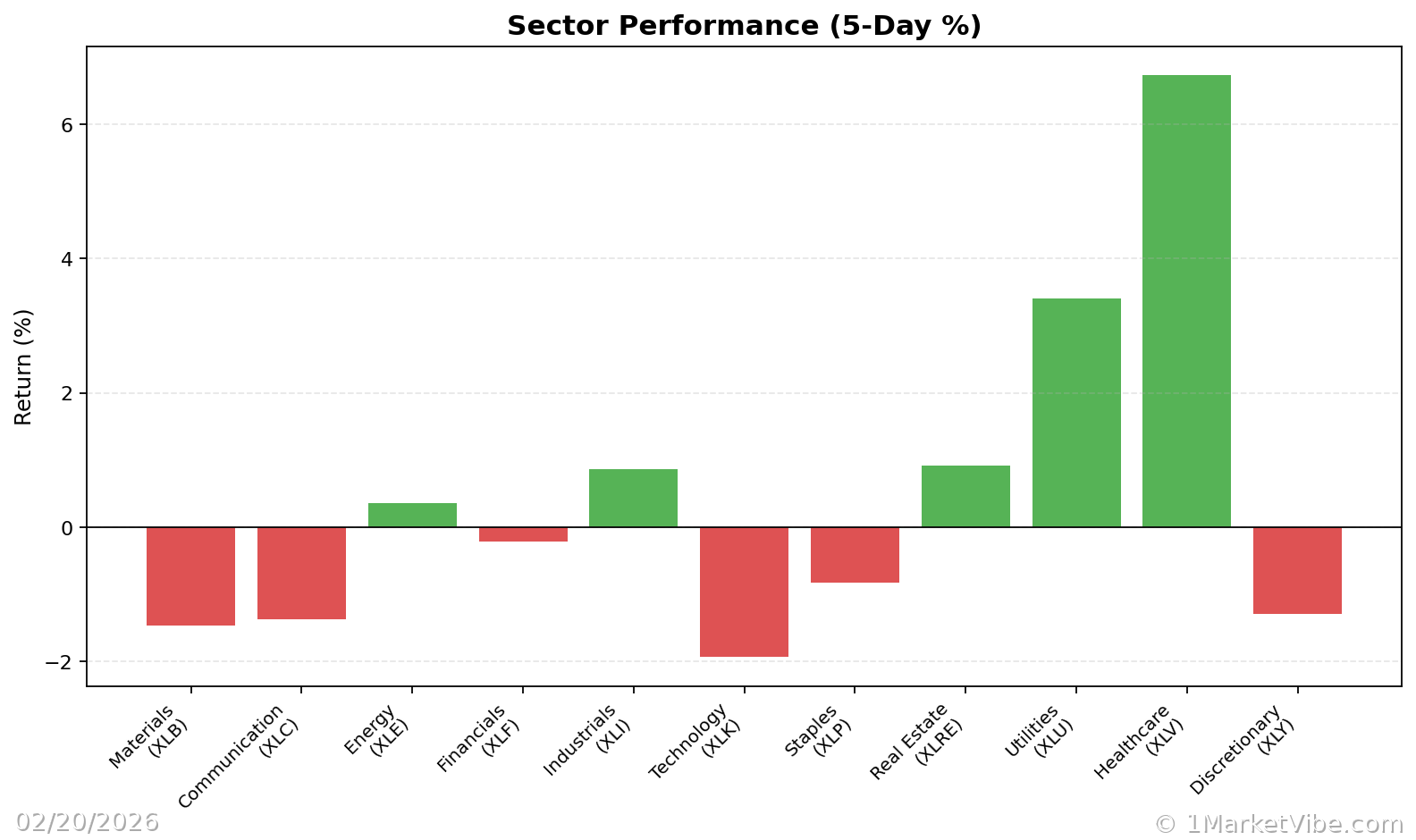
While the tariffs were expected to bolster domestic industries, their impact has been uneven across sectors. The tech industry, for example, has faced increased costs due to tariffs on components sourced from abroad, which has strained profit margins. Conversely, some domestic manufacturing sectors have seen a slight uptick in activity, though not enough to offset the overall trade imbalance.
Investor Sentiment and Market Reactions
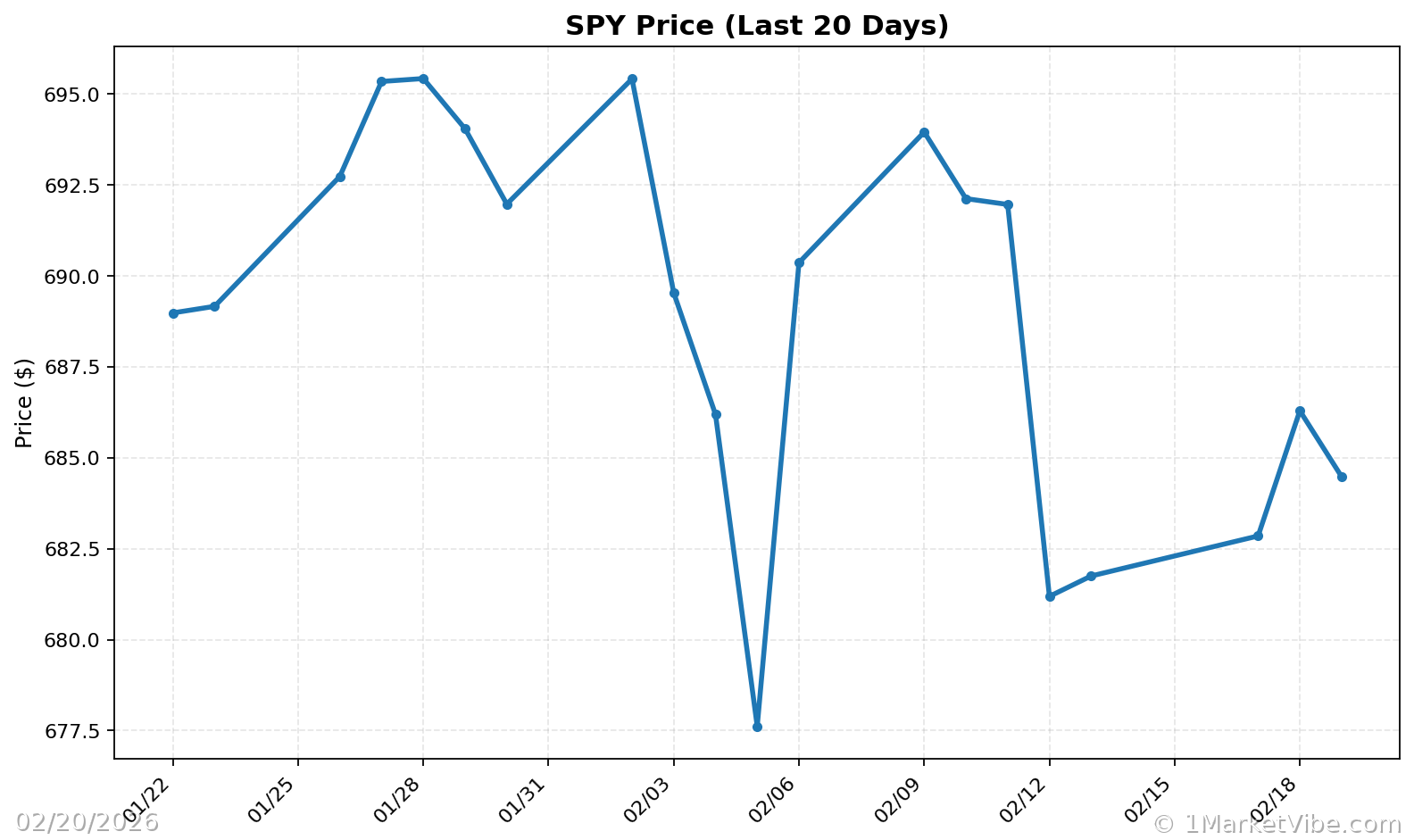
Investor sentiment has been cautious, with the stock market showing mixed reactions to the ongoing trade deficit and tariff implications. MarketVibe's CW Index suggests that while there is moderate risk, the market has not yet reached a critical tipping point. Historical patterns, such as when the CW Index hit 7.1 in March 2023 and markets fell 8.3%, serve as a reminder of the potential volatility that could arise if the index trends upward.
International Trade Relationships
The tariff regime has also affected the U.S.'s trade relationships, particularly with key partners like China and the European Union. Imports and exports have been disrupted, leading to shifts in supply chains and trade routes. This has prompted some countries to seek alternative markets, potentially diminishing U.S. influence in global trade.
Long-term Economic Implications
The sustained high trade deficit could have long-term effects on the U.S. economy, including inflationary pressures and increased consumer prices. As tariffs raise the cost of imported goods, consumers may face higher prices, which could dampen spending and economic growth. Economists are divided on the effectiveness of tariffs, with some advocating for policy adjustments to better address the underlying causes of the trade deficit.
MarketVibe Decision Edge™: Your Action Plan
MarketVibe's Decision Edge™ Method simplifies complex market signals into three clear steps: Glance → Learn → Act. This proprietary framework is designed to turn market intelligence into actionable decisions.
🔍 Glance (10-Second Takeaway)
- Current CW Index reading: 5.7, indicating moderate risk.
- Overall market status: Yellow flag, suggesting caution.
- Key metric to watch: CW Index movement towards the 6.5 level.
📚 Learn (2-Minute Deep Dive)
The current trade deficit situation, despite tariff interventions, highlights the complexities of global trade. Historically, tariffs have had mixed success in correcting trade imbalances. The ongoing deficit suggests that other factors, such as currency fluctuations and global demand shifts, play significant roles. Investors should monitor the CW Index closely, as a move towards the 6.5 level could signal increased market volatility. The situation matters because it affects investor confidence and could lead to broader economic repercussions if not addressed.
⚡ Act (Specific Steps)
- For Conservative Investors: Maintain current positions but prepare to adjust if the CW Index approaches 6.5.
- For Aggressive Investors: Consider hedging strategies in sectors most affected by tariffs, such as tech and commodities.
- Risk Management: Set stop-loss orders to protect against potential downturns if the CW Index trends upward.
Access MarketVibe's full Decision Edge framework at 1marketvibe.com →
Conclusion
The record U.S. trade deficit and the complexities surrounding Trump's 2025 tariffs underscore the need for vigilant market monitoring. MarketVibe's Enhanced CW Index provides a crucial early warning system, helping investors navigate these uncertain waters. As the situation evolves, staying informed and ready to act will be key to managing risk and capitalizing on opportunities.
Disclaimer: This article is for informational purposes only and does not constitute financial advice. Always consult with a financial advisor before making investment decisions.
Charts