
Market Impact of U.S.-Iran Deal: Nasdaq Rises and Oil Prices Decline
- Authors

- Name
- MarketVibe Team
- @1marketvibe
Market Impact of U.S.-Iran Deal: Nasdaq Rises and Oil Prices Decline
The recent U.S.-Iran deal has sent ripples through global markets, with the Nasdaq experiencing a notable rise while oil prices have declined. This geopolitical development has provided a fresh perspective on market dynamics, highlighting the potential for stabilization in global markets. MarketVibe's proprietary Enhanced CW Index, a 0-10 scale that provides a 4-6 week early warning of market corrections by tracking institutional gold flows and market breadth, is currently at 5.7. This level is below the 7.0 warning threshold, indicating moderate risk. This suggests that while the market is reacting positively, investors should remain vigilant.
Learn more about how CW Index works at 1marketvibe.com
Market Reactions
The Nasdaq has shown a positive response to the U.S.-Iran deal, rising as investors anticipate reduced geopolitical tensions. This optimism contrasts with the performance of other indices like the Dow and S&P 500, which have shown more muted reactions. The Nasdaq's rise can be attributed to the tech sector's resilience and investor confidence in its growth potential amidst geopolitical stability. MarketVibe's CW Index suggests that the current market environment is cautiously optimistic, with the index's moderate level reflecting a balanced risk-reward scenario.
Oil Market Dynamics
Oil prices have declined following the U.S.-Iran agreement, driven by expectations of increased oil supply and reduced geopolitical risk premiums. This decline could have significant implications for energy sector investments, as lower oil prices may impact profitability for oil producers. MarketVibe's 4-6 week early warning capability indicates that this trend was somewhat predictable, aligning with the CW Index's current reading. Investors should monitor these developments closely, as any shifts in the CW Index could signal changes in market sentiment.
Geopolitical Context
The U.S.-Iran relationship has historically been fraught with tension, impacting global markets and energy prices. The recent deal marks a potential turning point, offering hope for long-term stability. However, the geopolitical landscape remains complex, and the sustainability of this agreement is uncertain. MarketVibe's proprietary system provides investors with the tools to navigate these uncertainties, offering insights into potential market shifts.
Sector Impacts
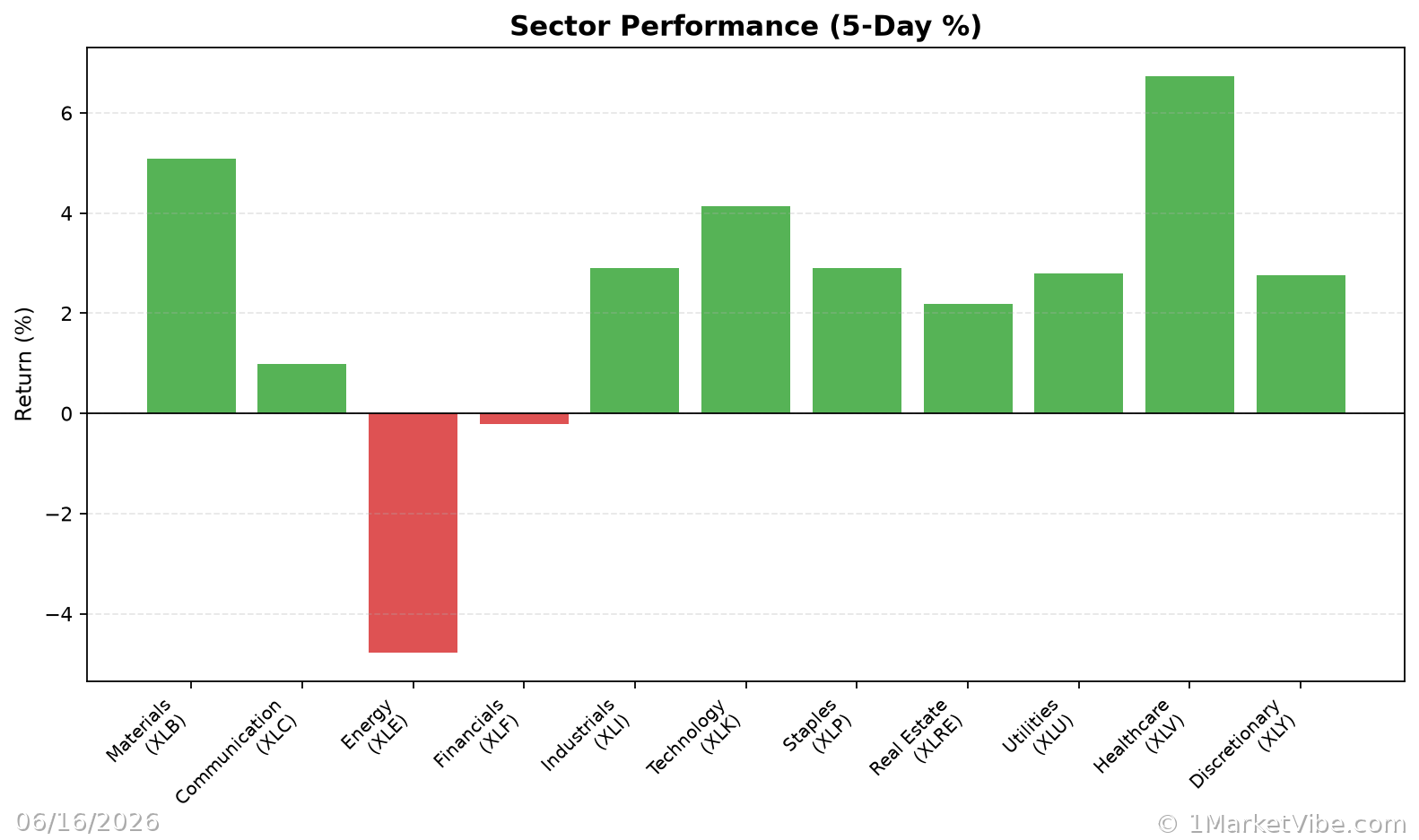
Key sectors to watch following the market shifts include technology, energy, and industrials. The tech sector, buoyed by the Nasdaq's rise, continues to attract investor interest. Meanwhile, the energy sector faces challenges due to declining oil prices. According to MarketVibe data, investor sentiment varies across industries, with some sectors poised for growth while others may experience volatility. Monitoring the CW Index can provide early warnings of sector-specific risks.
Risk Considerations
While the U.S.-Iran deal has brought short-term optimism, potential risks remain. Geopolitical agreements are inherently uncertain, and any setbacks could lead to increased market volatility. Investors should exercise caution and consider risk management strategies. MarketVibe's Enhanced CW Index serves as a valuable tool, offering insights into potential market corrections and helping investors stay ahead of the curve.
MarketVibe Decision Edge™: Your Action Plan
MarketVibe's Decision Edge™ Method simplifies complex market signals into three clear steps: Glance → Learn → Act. This is MarketVibe's proprietary framework for turning market intelligence into actionable decisions.
🔍 Glance (10-Second Takeaway)
- Current CW Index reading: 5.7, indicating moderate risk.
- Overall market status: Yellow flag, suggesting cautious optimism.
- Key metric to watch: Oil price movements and their impact on energy stocks.
📚 Learn (2-Minute Deep Dive)
The U.S.-Iran deal has introduced a new dynamic into the markets, with the potential for long-term geopolitical stability. Historically, similar agreements have led to temporary market rallies, followed by periods of adjustment. For instance, when CW Index hit 7.1 in March 2023, markets fell 8.3% over the following month. Investors should be aware of historical parallels and monitor the CW Index closely. The current situation matters because it could set the stage for future market trends, particularly if the CW Index approaches the 6.5 level, which would warrant increased vigilance.
⚡ Act (Specific Steps)
- For conservative investors: Maintain current allocations but prepare to adjust if the CW Index rises above 6.5.
- For growth-focused investors: Consider increasing exposure to the tech sector, which has shown resilience.
- For risk-averse investors: Implement hedging strategies to protect against potential volatility in the energy sector.
- Risk management: Regularly review portfolio allocations and stay informed with real-time CW Index alerts.
Access MarketVibe's full Decision Edge framework at 1marketvibe.com →
Conclusion
The U.S.-Iran deal has prompted significant market reactions, with the Nasdaq rising and oil prices declining. While the current CW Index reading of 5.7 suggests moderate risk, investors should remain vigilant and consider the potential for future market shifts. MarketVibe's Enhanced CW Index and Decision Edge™ Method provide invaluable tools for navigating these uncertain times. Built by investors, for investors, MarketVibe offers a unique advantage in understanding and acting on market signals.
Disclaimer: This article is for informational purposes only and does not constitute financial advice. Always consult with a financial advisor before making investment decisions.