Impact of U.S. Strikes on Iran on Stock and Oil Futures
- Authors

- Name
- MarketVibe Team
- @1marketvibe
Impact of U.S. Strikes on Iran on Stock and Oil Futures
The recent U.S. military strikes on Iran have sent ripples through global markets, with notable impacts on stock and oil futures. As investors assess the geopolitical tensions, MarketVibe's proprietary Enhanced CW Index, a 0-10 scale providing a 4-6 week early warning of market corrections by tracking institutional gold flows and market breadth, becomes an invaluable tool. Currently, the CW Index stands at 5.7, below the 7.0 warning threshold, indicating moderate risk. This level suggests that while caution is warranted, the market is not yet at a high-risk stage. Learn more about how CW Index works at 1marketvibe.com.
Market Overview
Following the U.S. attacks on Iran, stock futures have shown an upward trend, reflecting investor reactions to the geopolitical developments. Oil prices have also surged, with Brent crude climbing 1.61% to $73.15 per barrel and West Texas Intermediate futures advancing 2.2% to $70.75. These movements underscore the heightened geopolitical risks and their potential to disrupt energy supplies.
Wall Street's Recent Performance
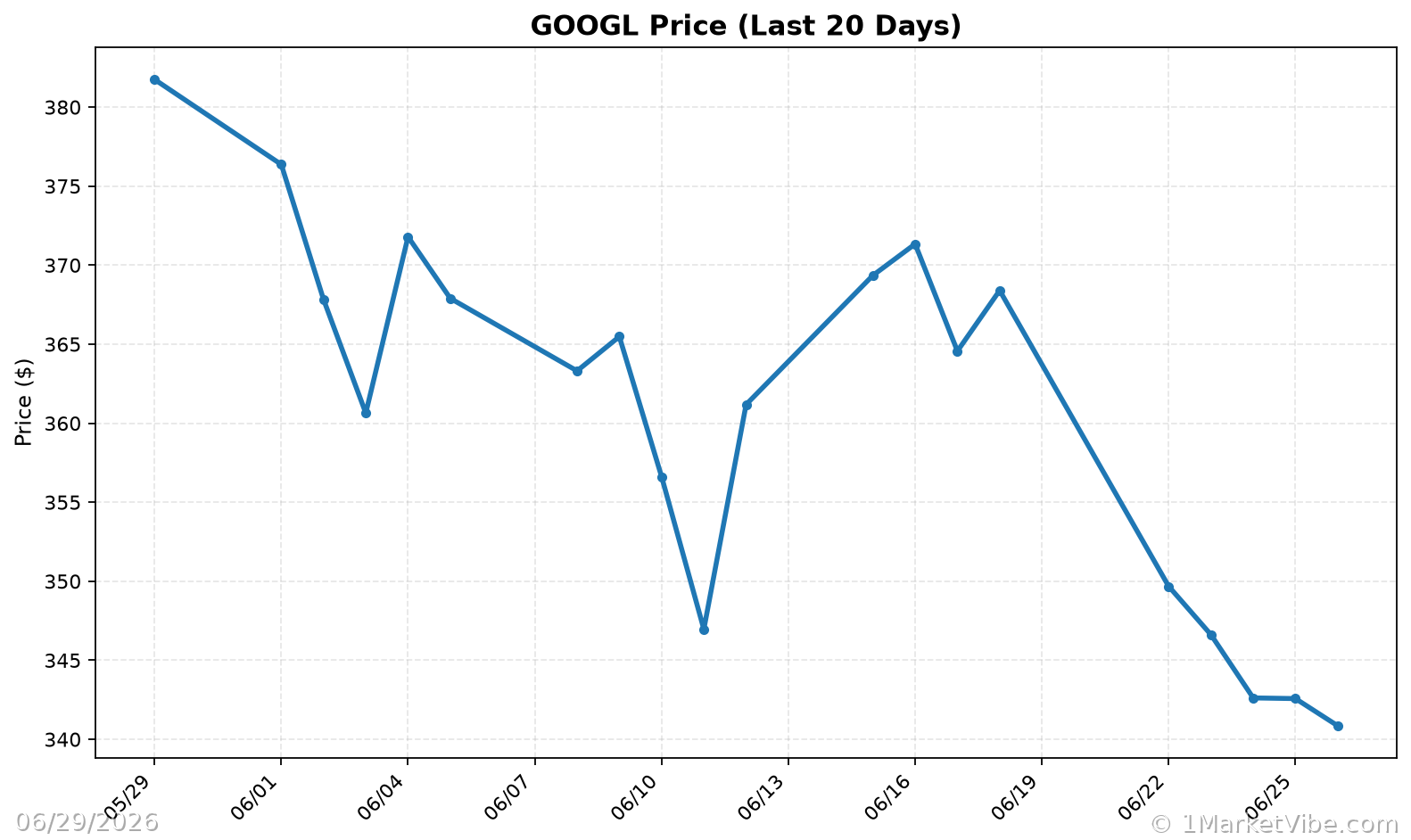
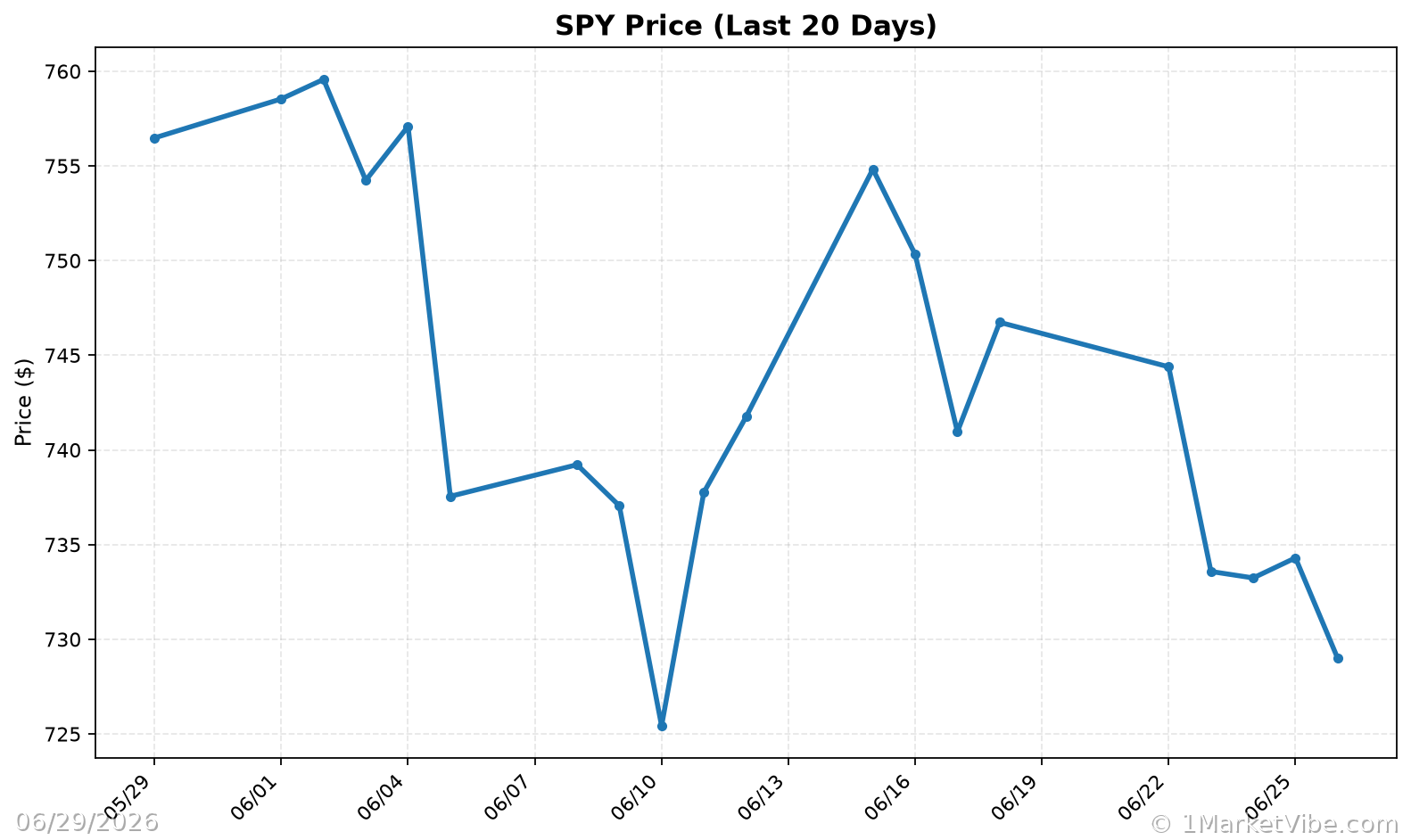
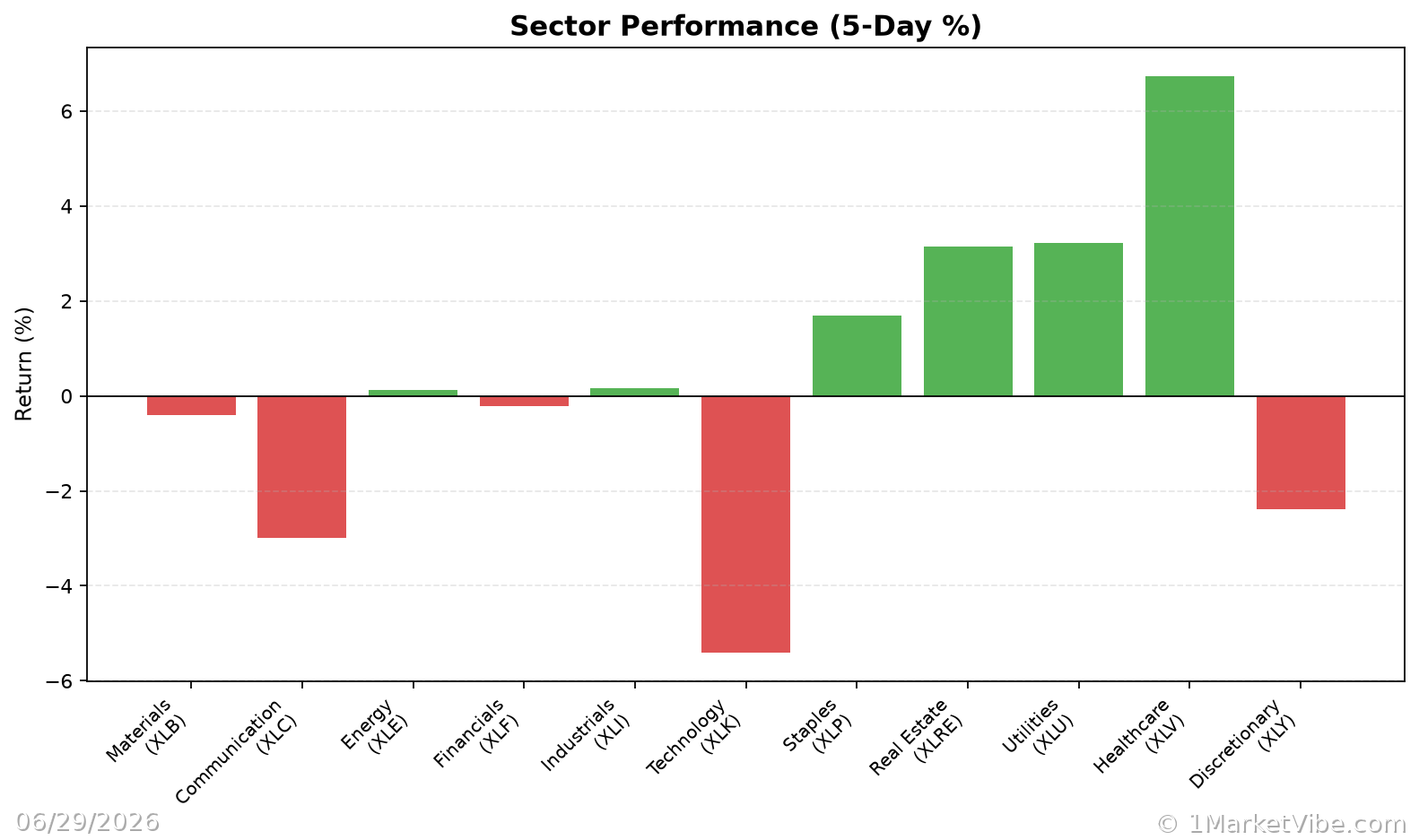
Wall Street experienced a mixed week, characterized by a rotation out of tech stocks as investors diversified into other sectors amid uncertainty. The Dow Jones Industrial Average closed above 52,000 for the first time, buoyed by Alphabet's debut in the index. The S&P 500 and Nasdaq Composite also recorded gains, highlighting a broader market rally despite underlying tensions.
Impact of U.S.-Iran Tensions
Geopolitical events such as the U.S.-Iran tensions significantly influence market volatility and investor sentiment. Traders are closely monitoring developments, aware that any escalation could lead to further market shifts. Historical patterns, such as when the CW Index hit 7.1 in March 2023 leading to an 8.3% market decline, remind investors of the potential for rapid changes.
Oil Market Reaction
The rise in oil prices signals increased demand and supply concerns, driven by the uncertainty surrounding the Strait of Hormuz, a critical chokepoint for global oil shipments. Market analysts suggest that further fluctuations are possible, depending on the conflict's trajectory. MarketVibe's CW Index suggests monitoring these developments closely, as any significant increase in the index could indicate heightened market risk.
Investor Sentiment
Despite rising futures and oil prices, current investor sentiment remains neutral. The CW Index at 5.7 indicates a moderate risk environment, but caution is advised as markets react to geopolitical events. Investors are encouraged to remain vigilant and consider the potential for increased volatility.
Sector Performance Insights
The tech sector has seen a decline as investors seek safer assets amid geopolitical uncertainty. This shift in investment focus may benefit other sectors, such as energy and defense, which are perceived as more resilient in times of geopolitical tension. According to MarketVibe data, tracking these sectoral shifts can provide valuable insights into market dynamics.
Future Market Considerations
Traders should remain vigilant regarding ongoing U.S.-Iran relations, as any escalation could lead to increased volatility. The CW Index provides a 4-6 week early warning, and a movement above 6.5 could signal a need for heightened caution. MarketVibe tracks these signals closely, offering investors a strategic advantage in navigating uncertain markets.
MarketVibe Decision Edge™: Your Action Plan
MarketVibe's Decision Edge™ Method simplifies complex market signals into three clear steps: Glance → Learn → Act. This proprietary framework turns market intelligence into actionable decisions.
🔍 Glance (10-Second Takeaway)
- CW Index at 5.7: Indicates moderate risk
- Market status: Yellow flag
- Key metric to watch: Oil price fluctuations
📚 Learn (2-Minute Deep Dive)
The current geopolitical tensions between the U.S. and Iran have led to increased market volatility, particularly in the oil sector. Historical parallels, such as the 2023 market decline following a CW Index spike, highlight the importance of monitoring these developments. The situation matters because energy supply disruptions can have far-reaching economic impacts, affecting various sectors and investor portfolios. Going forward, traders should watch for any changes in the CW Index, as a rise above 6.5 could signal increased market risk.
⚡ Act (Specific Steps)
- Adjust Portfolio Allocations: Consider reducing exposure to high-risk sectors like tech and increasing allocations to energy and defense.
- Monitor CW Index Levels: If the index approaches 6.5, consider implementing hedging strategies to mitigate risk.
- Stay Informed: Regularly check MarketVibe's updates for real-time insights and alerts.
Access MarketVibe's full Decision Edge framework at 1marketvibe.com →
Conclusion
The impact of U.S. strikes on Iran underscores the influence of geopolitical tensions on market dynamics. As sector rotations occur, investors should weigh risks carefully, utilizing tools like MarketVibe's Enhanced CW Index for early warnings. Built by investors, for investors, MarketVibe offers a strategic edge in navigating complex markets.
INVESTMENT DISCLAIMER: This analysis is provided for informational purposes only and does not constitute investment advice, a recommendation, or an offer or solicitation to buy or sell any securities. MarketVibe content reflects observable market data and historical context as of the publication date and should not be relied upon for making investment decisions.
Charts