
Gasoline Prices Rise 50% Amid Inflationary Pressures on Market Stability
- Authors

- Name
- MarketVibe Team
- @1marketvibe
Gasoline Prices Rise 50% Amid Inflationary Pressures on Market Stability
As gasoline prices surge by 50% amid ongoing geopolitical tensions, investors are increasingly concerned about the broader economic implications. The conflict in Iran has significantly disrupted oil supplies, leading to a sharp increase in fuel costs. This development is closely monitored by MarketVibe's proprietary Enhanced CW Index, a 0-10 scale that provides a 4-6 week early warning of market corrections by tracking institutional gold flows and market breadth. Currently, the CW Index stands at 5.0, indicating moderate risk below the critical 7.0 threshold.
Learn more about how CW Index works at 1marketvibe.com
Current Gasoline Prices
The average price of gasoline has reached $4.48 per gallon, marking a significant increase from pre-war levels. This 31-cent rise over the past week highlights the immediate impact of the Iran conflict on global energy markets. Compared to prices before the conflict, this represents a 50% increase, straining consumer budgets and raising concerns about inflation.
Market Reactions
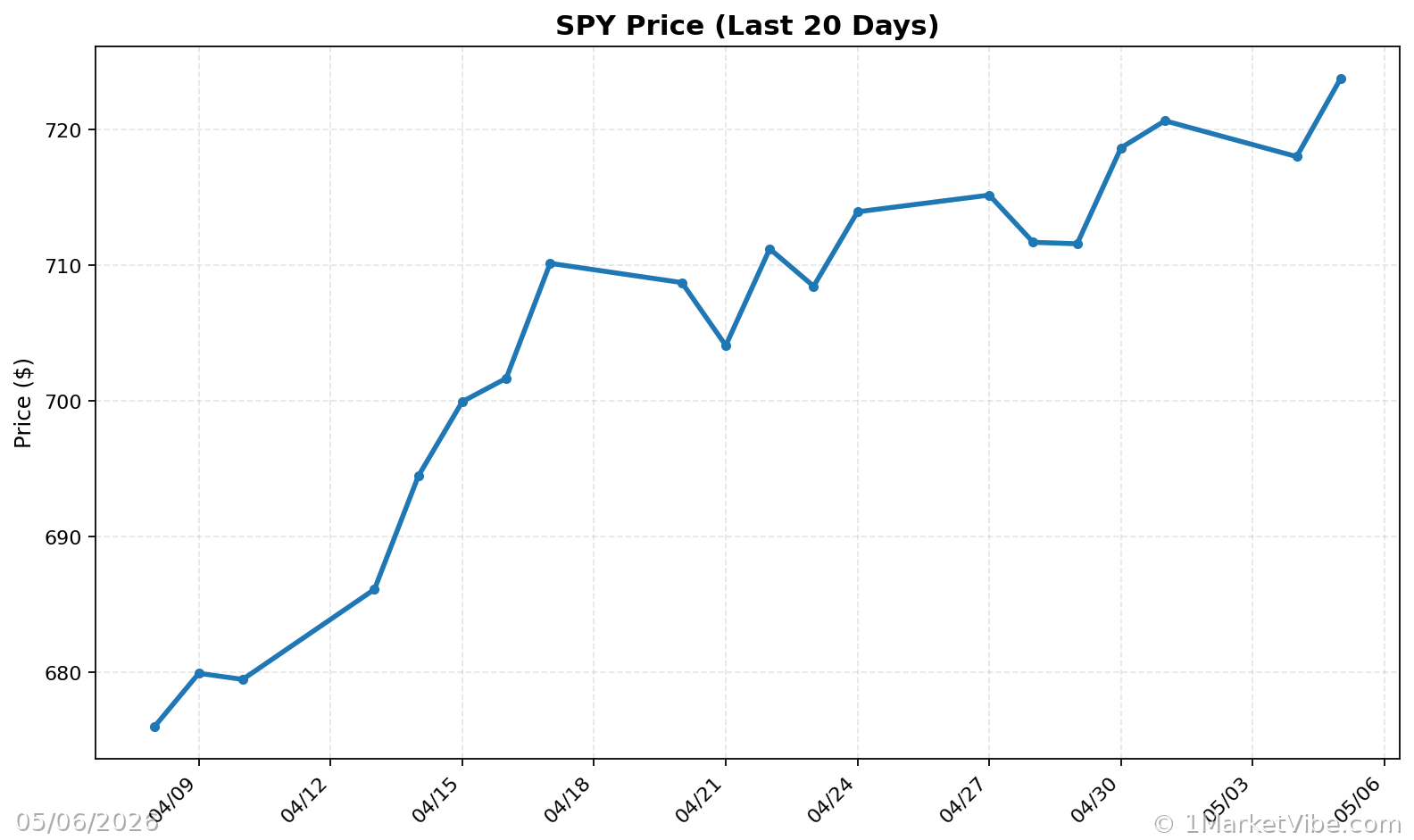
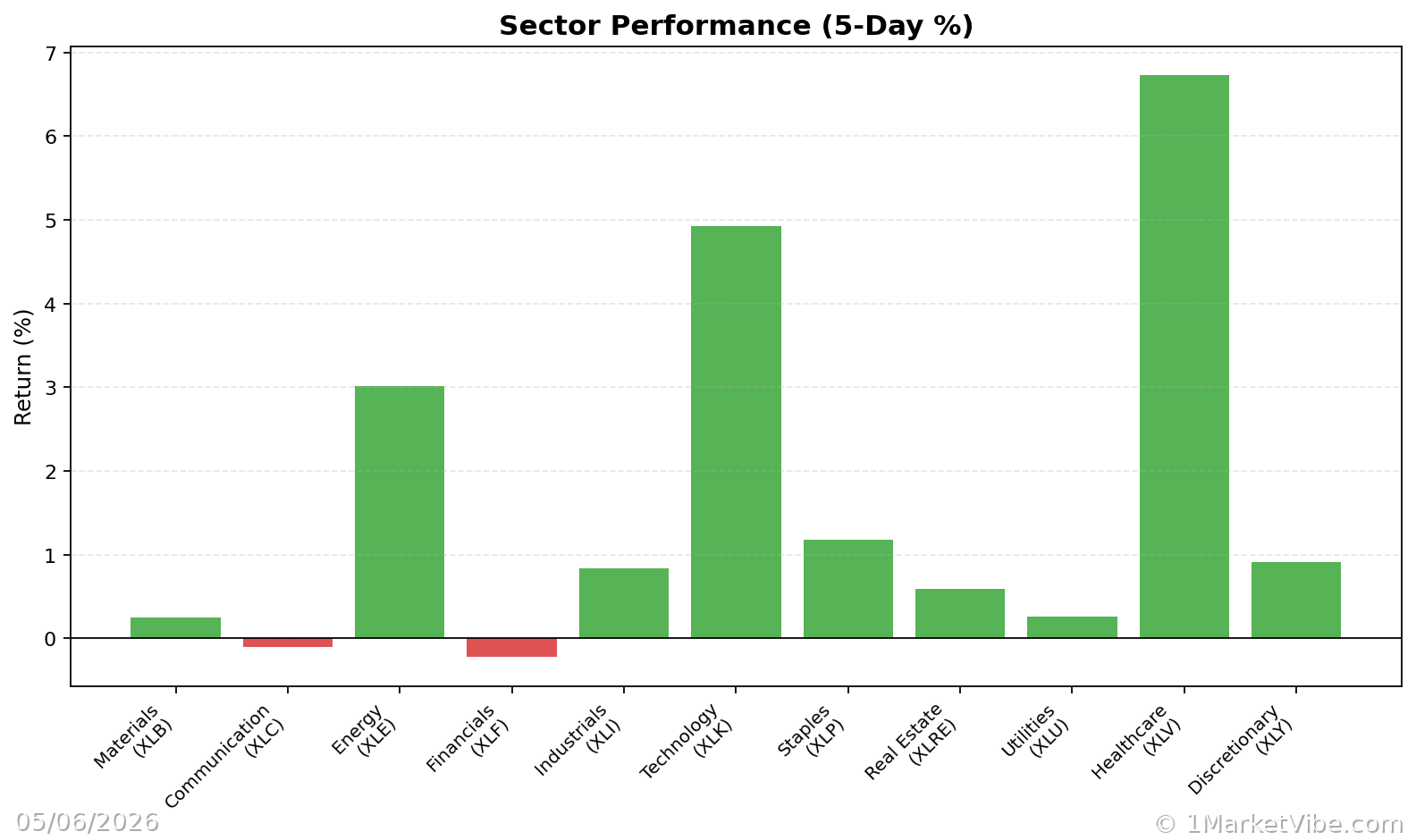
Investor sentiment is cautious as rising fuel costs threaten to dampen economic growth. Sectors heavily reliant on transportation, such as logistics and travel, are particularly vulnerable. Stocks in these industries have shown volatility, reflecting the uncertainty surrounding future fuel prices.
Inflationary Pressures
The link between rising fuel costs and broader inflation is becoming increasingly evident. As transportation costs rise, so too do the prices of goods and services, potentially curbing consumer spending. This could lead to slower economic growth and increased pressure on central banks to adjust monetary policy.
Predictive Indicators
MarketVibe's CW Index suggests that the current trend in gasoline prices was foreseeable. The CW Index's 4-6 week early warning capability, driven by gold flow analysis, indicated potential market instability. Historical patterns, such as when the CW Index hit 7.1 in March 2023, resulting in an 8.3% market decline, underscore the importance of monitoring this indicator.
Historical Context
Past conflicts affecting oil prices, such as the Gulf War, have shown similar economic impacts. These events typically lead to short-term spikes in inflation and volatility in financial markets. Lessons from these instances emphasize the need for strategic risk management and diversification.
Expert Opinions
Economists warn that if the conflict persists, gasoline prices could continue to rise, further exacerbating inflationary pressures. Predictions suggest that without a resolution, prices may remain elevated, impacting consumer behavior and economic stability.
MarketVibe Decision Edge™: Your Action Plan
MarketVibe's Decision Edge™ Method simplifies complex market signals into three clear steps: Glance → Learn → Act. This proprietary framework helps investors turn market intelligence into actionable decisions.
🔍 Glance (10-Second Takeaway)
- Current CW Index reading: 5.0, indicating moderate risk.
- Overall market status: Yellow flag.
- Key metric to watch: Fuel prices and their impact on inflation.
📚 Learn (2-Minute Deep Dive)
The surge in gasoline prices is a direct result of the Iran conflict, which has disrupted oil supplies through the Strait of Hormuz. This chokepoint is crucial for global oil transportation, and its closure has led to the largest supply disruption in recent history. As a result, crude oil prices have soared, driving up gasoline costs.
Historically, similar disruptions have led to temporary spikes in inflation and market volatility. The current situation underscores the importance of monitoring geopolitical developments and their potential economic impacts. Investors should be aware of the broader implications for consumer spending and economic growth.
⚡ Act (Specific Steps)
- Diversify Holdings: Consider reallocating investments to sectors less affected by fuel price volatility.
- Monitor CW Index Levels: Adjust risk exposure if the CW Index approaches the 6.5 threshold.
- Hedge Against Inflation: Explore options such as commodities or inflation-protected securities.
- Stay Informed: Regularly review updates on geopolitical developments and their market impacts.
Access MarketVibe's full Decision Edge framework at 1marketvibe.com →
Conclusion
The recent surge in gasoline prices highlights the interconnectedness of global events and market stability. As inflationary pressures mount, investors must remain vigilant and proactive. MarketVibe's Enhanced CW Index and Decision Edge™ Method offer valuable tools for navigating these uncertain times, providing early warnings and actionable insights.
Disclaimer: This article is for informational purposes only and does not constitute financial advice. Always consult with a financial advisor before making investment decisions.
Charts