

US-Iran Tensions Indicate Market Shifts as Oil Prices Rise
- Authors

- Name
- MarketVibe Team
- @1marketvibe
US-Iran Tensions Indicate Market Shifts as Oil Prices Rise
In recent weeks, escalating tensions between the United States and Iran have captured global attention, leading to significant shifts in financial markets. Among the most notable reactions is the surge in oil prices, a common response to geopolitical instability in the Middle East. Understanding these market shifts requires a nuanced view of how geopolitical events influence market dynamics, particularly through the lens of MarketVibe's metrics.
Market Impact of Geopolitical Tensions
Geopolitical tensions often lead to increased market volatility, as uncertainty prompts investors to reassess risk. In the case of US-Iran tensions, the immediate impact has been a rise in oil prices, driven by fears of supply disruptions in the region. This situation underscores the importance of monitoring geopolitical developments as they can have far-reaching effects on market stability.
CW Index Insights
The Crash Warning Index (CWI) is a critical tool for assessing market risk in the context of geopolitical events. Currently, the CWI stands at 5.97, indicating elevated risk levels. The CWI is a composite index that incorporates various risk dimensions, including market breadth, volatility, and defensive sector behavior. A CWI reading above 6 often signals heightened risk, suggesting that traders should be cautious about taking on new positions.
How the CWI Works
The CWI aggregates data from several market indicators to provide a comprehensive view of market risk. It considers factors such as:
- Market Breadth: The percentage of stocks trading above their 50-day moving average, which indicates the overall health of market trends.
- Volatility: Measured by the Average True Range (ATR%) relative to price, providing insights into market stability.
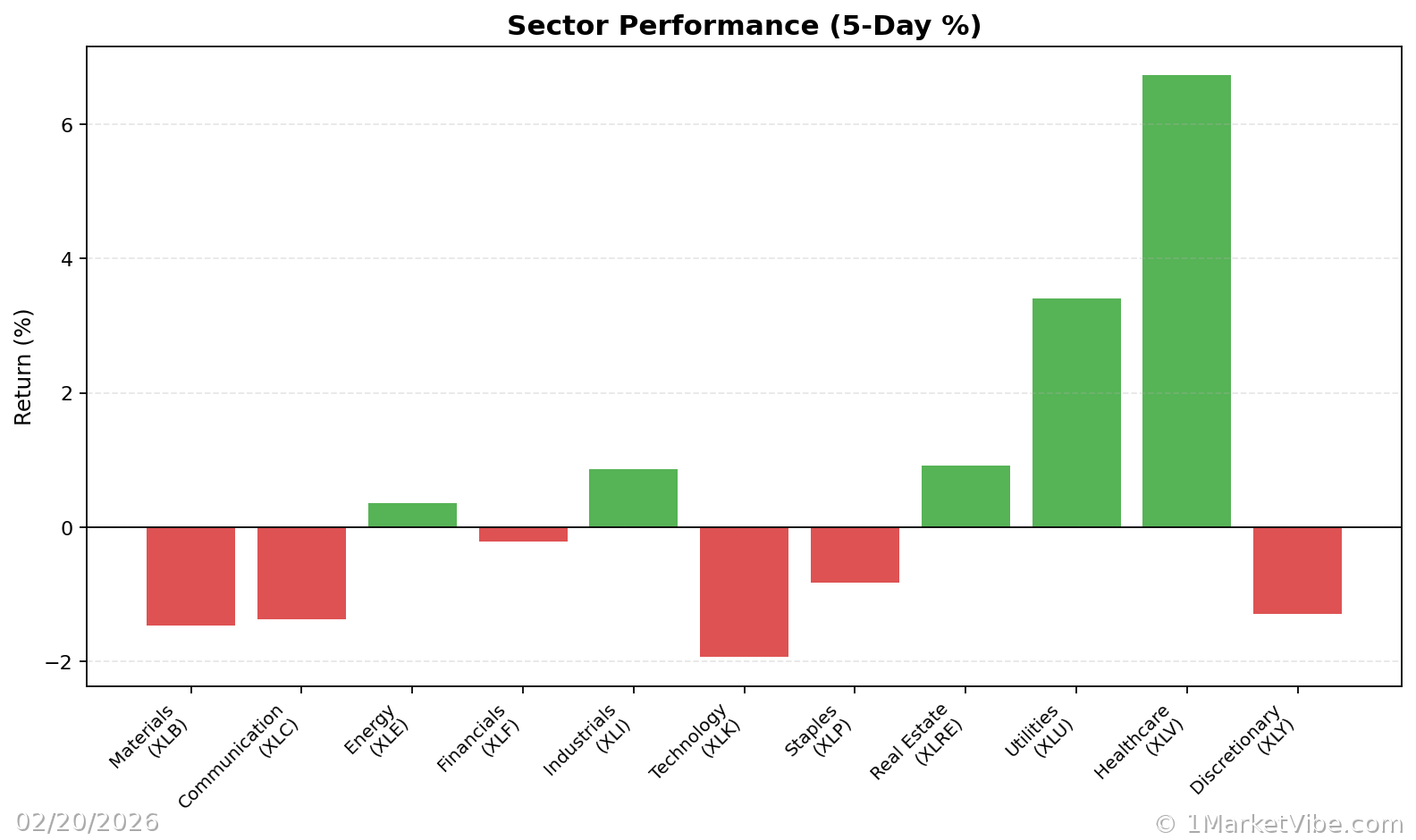
- Defensive Behavior: Observing the performance of defensive sectors like utilities and consumer staples.
These components are weighted to reflect their contribution to market risk, with higher readings indicating increased likelihood of market corrections.
Historical Context
Historically, US-Iran tensions have led to similar market dynamics. For instance, during previous conflicts, oil prices surged as traders anticipated potential disruptions in supply. Comparing these events with other geopolitical crises, such as the Gulf War or the Arab Spring, reveals a consistent pattern: geopolitical instability tends to elevate market risk and drive commodity prices higher.
Sector Analysis
Rising oil prices have a ripple effect across various sectors. Key sectors likely to be impacted include:
- Energy: Direct beneficiaries of higher oil prices, energy stocks often see increased investor interest during such periods.
- Transportation: Higher fuel costs can negatively impact airlines and logistics companies, squeezing profit margins.
- Consumer Goods: Increased transportation costs can lead to higher prices for consumer goods, affecting demand and sales.
Understanding these sectoral impacts can help traders adjust their portfolios to mitigate risk and capitalize on potential opportunities.
Risk Awareness
In volatile markets, risk management becomes paramount. Traders should consider the following strategies:
- Position Sizing: Adjust position sizes based on current CWI levels to manage exposure.
- Hedging: Use options or other derivatives to hedge against potential downside risks.
- Diversification: Maintain a diversified portfolio to spread risk across different asset classes and sectors.
By incorporating these strategies, traders can navigate geopolitical uncertainties more effectively.
Real-World Scenarios
Scenario 1: Topping Environment
Imagine a situation where the market index continues to rise, but the percentage of stocks above their 50-day moving average declines. This divergence often indicates a weakening market breadth, suggesting a potential topping environment. Traders might feel tempted to chase the rally, but a more informed view would emphasize caution and risk management.
Scenario 2: Bull Leg Surge
Consider a scenario where geopolitical tensions ease, leading to a surge in market confidence. The % Above 50-DMA might rise sharply, indicating a strong new bull leg. In such cases, traders can be more open to adding exposure, provided their setups align with broader market trends.
Scenario 3: Volatility Spike
In response to escalating tensions, ATR% might spike, signaling increased market volatility. Traders could react by reducing exposure or implementing hedging strategies to protect against potential losses.
How to Use This Insight in a Process
To effectively incorporate these insights into a trading process:
- Monitor the CWI: Use the CWI as a guide for adjusting risk posture. High readings suggest caution, while lower readings may indicate opportunities to increase exposure.
- Check Market Dashboard: Use the Market Dashboard to assess overall market climate and confirm internal market health.
- Align with Breadth and Leadership: Ensure that any increase in exposure is supported by strong market breadth and leadership from key sectors.
Common Misuses & Misconceptions
Traders often misuse market metrics by:
- Treating Metrics as Stand-Alone Signals: Metrics like the CWI should inform risk posture, not dictate specific trades.
- Ignoring Context: Failing to consider sector rotation or broader market trends can lead to misguided decisions.
- Overreacting to One-Day Changes: Short-term fluctuations should not overshadow longer-term trends and insights.
A healthier approach involves integrating these metrics into a comprehensive trading strategy that considers multiple factors and timeframes.
To see these breadth and risk metrics in one place each day, you can use the Decision Edge dashboard at 1marketvibe.com.
DISCLAIMER: This article is for informational purposes only and does not constitute financial advice. Please consult with a financial advisor before making any investment decisions.