

Oil Prices Decline as U.S.-Iran Ceasefire Stabilizes Markets
- Authors

- Name
- MarketVibe Team
- @1marketvibe
Oil Prices Decline as U.S.-Iran Ceasefire Stabilizes Markets
Introduction
The recent ceasefire agreement between the U.S. and Iran has led to a significant decline in oil prices, bringing a wave of stability to the markets. This development is crucial for traders and investors as oil price fluctuations have far-reaching implications on global markets, influencing everything from inflation rates to consumer spending. Understanding how geopolitical events like this ceasefire impact market dynamics can help traders make informed decisions and manage their risk exposure effectively.
Ceasefire Details
The ceasefire agreement includes key terms such as the reopening of the Strait of Hormuz, a critical chokepoint for global oil shipments. This move is expected to ease tensions in the region and improve U.S.-Iran relations, contributing to regional stability. For traders, this development reduces the geopolitical risk premium that often inflates oil prices during periods of heightened tension.
Market Reaction
Following the announcement of the ceasefire, oil prices experienced an immediate plunge. This reaction is consistent with historical patterns where geopolitical de-escalation leads to a reduction in risk premiums and, consequently, lower oil prices. Comparing this to previous market reactions during heightened tensions, we see a typical pattern where uncertainty drives prices up, and resolution brings them back down.
Investor Sentiment
Investor sentiment is a critical factor in market dynamics, and geopolitical events heavily influence it. Currently, investor anxiety levels are decreasing as the ceasefire reduces the perceived risk of supply disruptions. This shift in sentiment may lead to changes in investment strategies, with investors potentially reallocating assets towards sectors that benefit from stable oil prices, such as transportation and manufacturing.
Long-term Implications
The ceasefire could lead to more stable oil prices in the long term, assuming the agreement holds and regional tensions do not escalate again. However, traders should remain vigilant for any risks that could disrupt this stability, such as political changes or unforeseen conflicts. Stable oil prices can benefit the global economy by reducing inflationary pressures and supporting consumer spending.
Economic Impact
Changes in oil prices have a profound impact on the broader economy. Lower oil prices can reduce inflation, making goods and services more affordable for consumers. This can lead to increased consumer spending, which is a significant driver of economic growth. Industries that rely heavily on oil, such as airlines and logistics, stand to benefit from reduced costs, potentially boosting their profitability.
Expert Opinions
Market analysts have diverse perspectives on the long-term effects of the ceasefire. Some experts believe that the agreement could lead to sustained market stability, while others caution that the underlying geopolitical tensions may resurface. These insights highlight the importance of monitoring geopolitical developments and their potential impact on market conditions.
Conclusion
The U.S.-Iran ceasefire has had a stabilizing effect on oil prices and market sentiment. For traders, understanding the implications of such geopolitical events is crucial for making informed decisions and managing risk effectively. Monitoring these developments can help traders anticipate market shifts and adjust their strategies accordingly.
How to Use This Insight in a Process
To incorporate these insights into a trading process, consider the following guidelines:
Monitor Position Sizing: Use the Crash Warning Index (CWI) to gauge overall market risk. With the current CWI reading at 5.6, traders should be cautious and consider adjusting their position sizes to manage risk exposure.
Adjust Risk Exposure: In sectors directly affected by oil price changes, such as energy and transportation, consider adjusting your risk exposure based on the current market conditions and CWI signals.
Consider Hedging Strategies: If the CWI continues to trend upwards, indicating increased market risk, consider implementing hedging strategies to protect your portfolio.
Common Misuses & Misconceptions
Traders often misuse market metrics by:
Treating Metrics as Stand-alone Signals: It's important to use metrics like the CWI as part of a broader analysis rather than as a sole decision-making tool.
Ignoring Context: Always consider the broader market context, including sector rotation and geopolitical developments, when interpreting metrics.
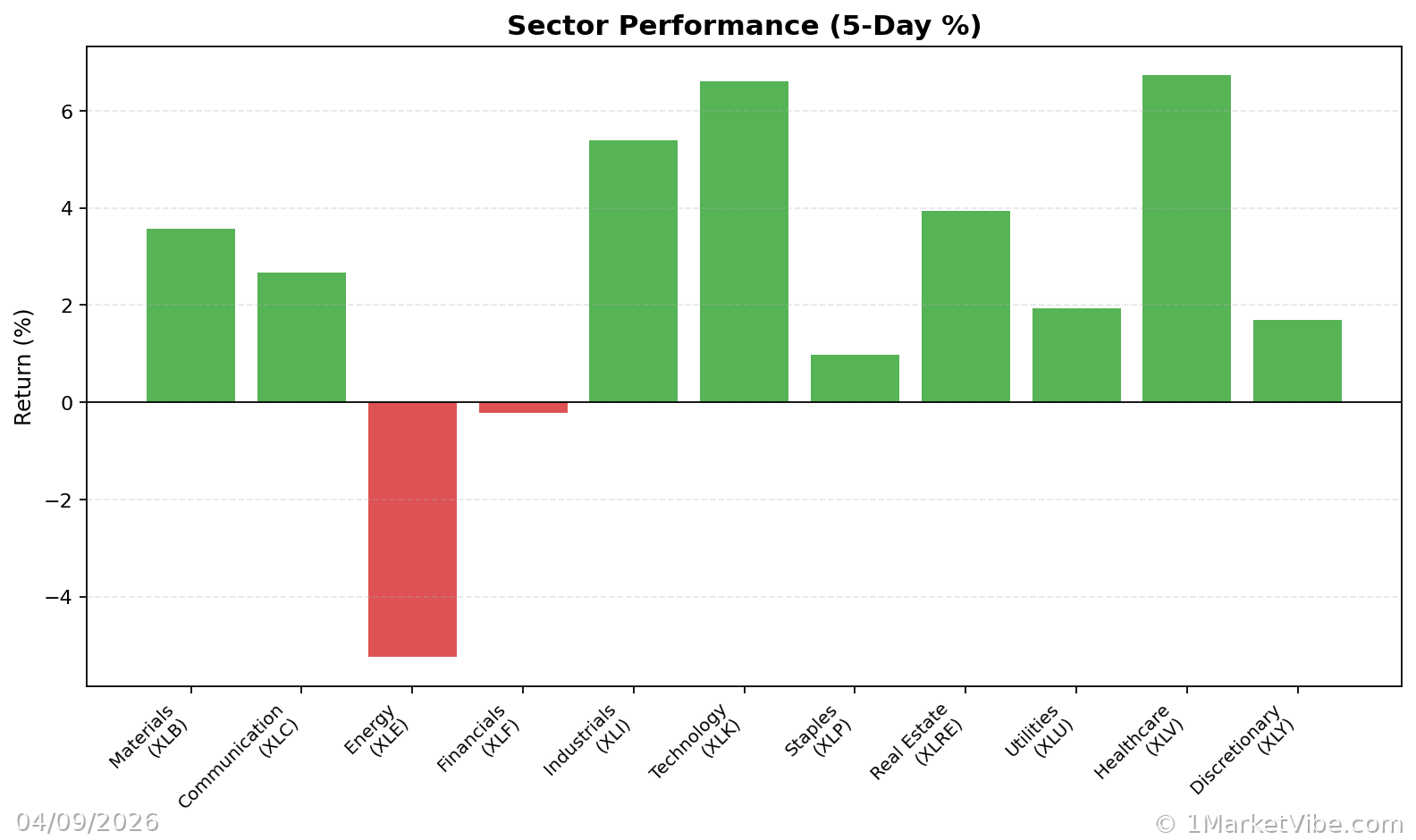
- Overreacting to One-day Changes: Avoid making hasty decisions based on short-term fluctuations. Instead, focus on longer-term trends and signals.
To see these breadth and risk metrics in one place each day, you can use the Decision Edge dashboard at 1marketvibe.com.
Disclaimer: The information provided in this article is for educational purposes only and should not be considered as financial advice. Trading involves risk, and you should consult with a financial advisor before making any investment decisions.