
Nvidia Earnings Awaited as Market Sentiment Remains Uncertain
- Authors

- Name
- MarketVibe Team
- @1marketvibe
Nvidia Earnings Awaited as Market Sentiment Remains Uncertain
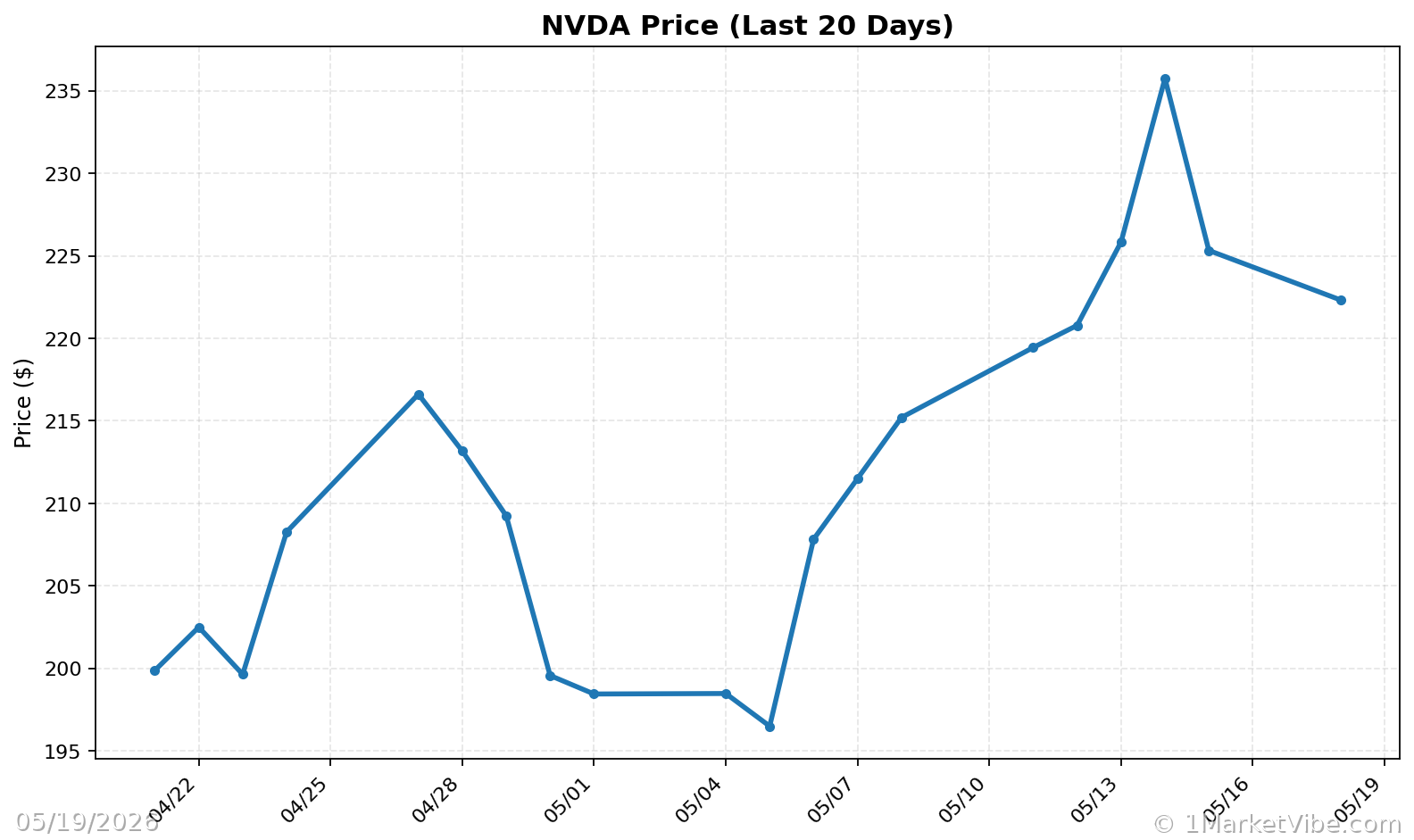
As Nvidia prepares to release its earnings report, traders and investors are keenly observing the market's pulse. The anticipation surrounding Nvidia's performance comes amid a backdrop of market volatility and uncertainty, with stock futures recently experiencing a dip following a record-setting week. In this article, we will explore how Nvidia's earnings could influence market sentiment and the role of MarketVibe's metrics in navigating these uncertain waters.
Market Context
The recent trends in stock futures reflect a market grappling with mixed signals. After a week of record highs, futures have shown a decline, partly due to ongoing concerns about inflation and its impact on market performance. Inflationary pressures can lead to increased volatility as investors reassess risk and adjust their portfolios accordingly.
Nvidia's Role in the Tech Sector
Nvidia holds a significant position within the tech sector, known for its advancements in AI and graphics processing. The company's earnings report is not just a reflection of its own performance but also a potential catalyst for broader market movements. A strong earnings report could bolster confidence in the tech sector, while a disappointing outcome might exacerbate existing market jitters.
Earnings Expectations
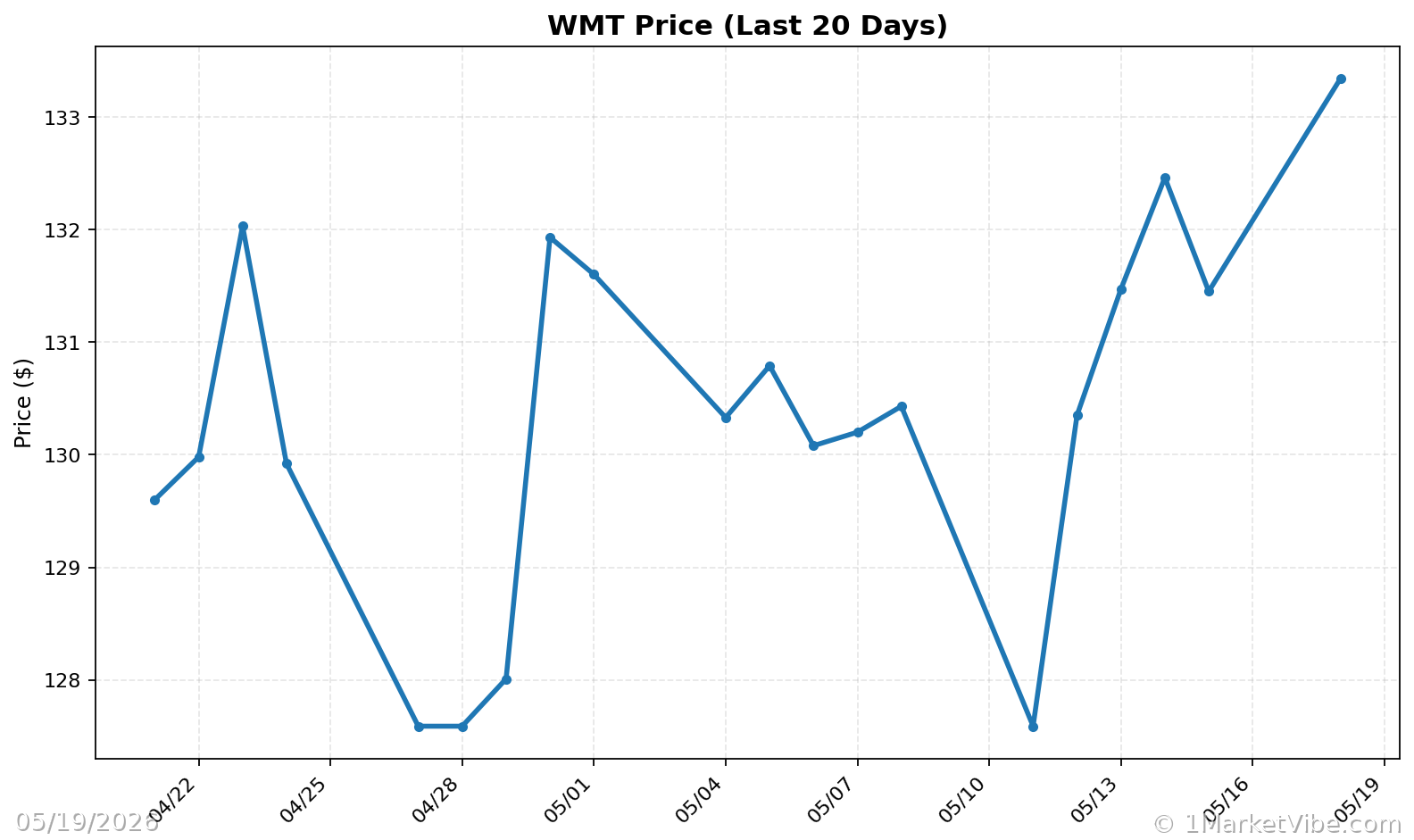
Analysts have set high expectations for Nvidia's earnings, given its recent innovations and market leadership. Comparisons with other major companies reporting earnings this week, such as Target and Walmart, highlight the diverse factors influencing market sentiment. Nvidia's results could either reinforce or challenge the current neutral sentiment towards the tech sector.
Investor Sentiment and Market Reactions
Current Sentiment
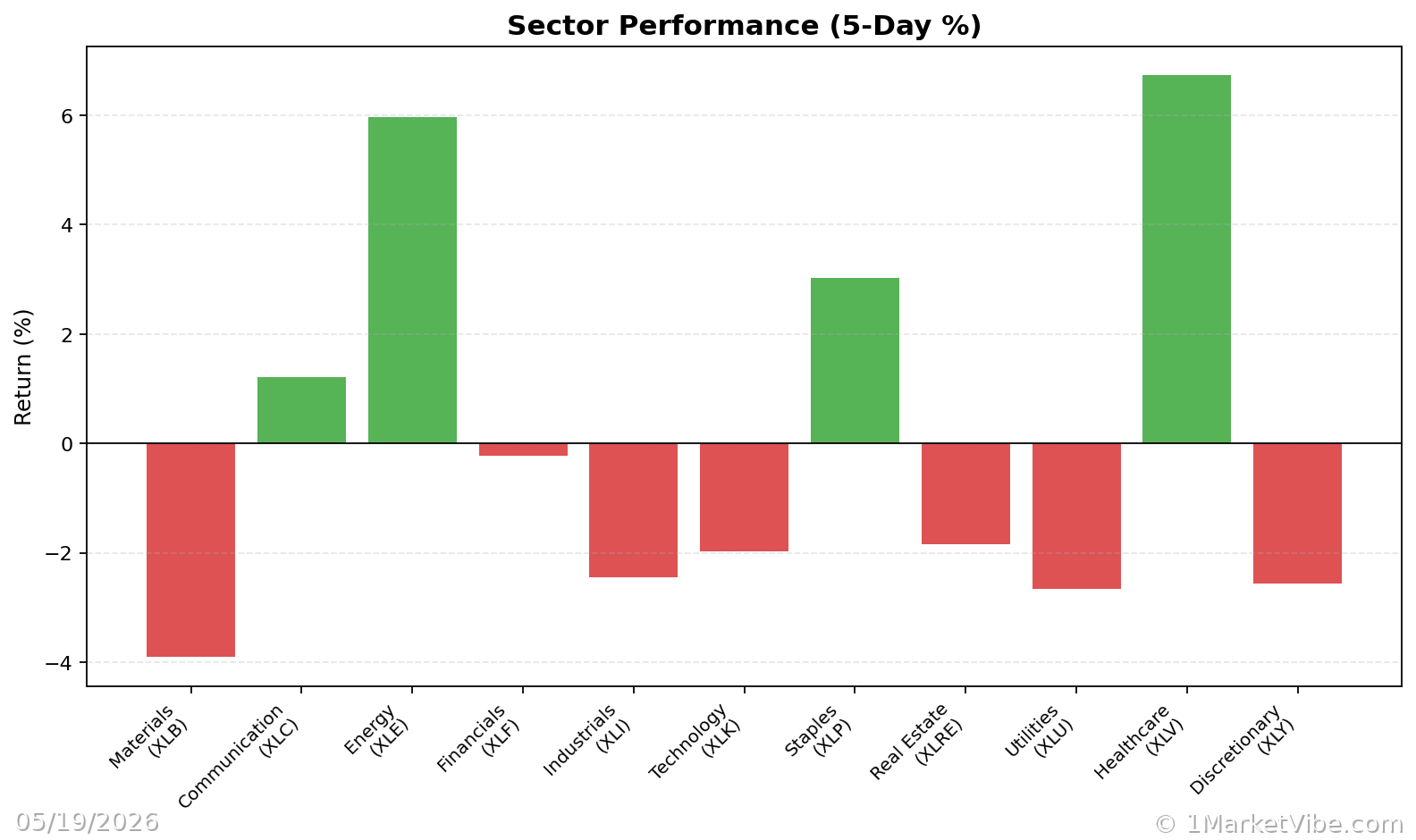
Investor sentiment towards Nvidia and the tech sector remains cautious. Factors such as inflation, geopolitical tensions, and sector rotation contribute to this outlook. The neutral sentiment reflects a wait-and-see approach, with investors hesitant to make significant moves until more clarity emerges.
Potential Market Reactions
The outcome of Nvidia's earnings report could lead to several market scenarios:
Positive Earnings Surprise: If Nvidia exceeds expectations, it could lead to a rally in tech stocks, boosting overall market sentiment. This scenario might see an increase in the % Above 50-DMA, indicating strong breadth and trend health across the sector.
In-Line or Slight Miss: An earnings report that meets or slightly misses expectations may lead to a muted market reaction. In this case, the Crash Warning Index (CWI) might remain stable, reflecting a balanced risk environment.
Negative Earnings Surprise: A significant miss could trigger a sell-off in tech stocks, increasing market volatility. This would likely result in a higher ATR%, signaling a shift to a more volatile regime.
How MarketVibe Metrics Inform Decisions
Understanding Key Metrics
% Above 50-DMA: This metric measures the percentage of stocks trading above their 50-day moving average, providing insight into market breadth and trend health. A high percentage suggests a strong market, while a low percentage indicates potential weakness.
Crash Warning Index (CWI): A composite measure that assesses various risk dimensions, including breadth, volatility, and defensive behavior. A CWI above 6 suggests elevated risk and a higher likelihood of market corrections.
ATR%: Average True Range as a percentage of price, indicating market volatility. Low ATR% corresponds to stable, trending markets, while high ATR% indicates choppy or unstable conditions.
Practical Application
When Breadth is Strong: If Nvidia's earnings lead to a surge in the % Above 50-DMA, traders might consider increasing exposure to tech stocks, provided their setups align with broader market trends.
When CWI is High: In scenarios where the CWI rises above 6, emphasizing defensive strategies and reducing new risk exposure can be prudent.
Volatility Considerations: A spike in ATR% following Nvidia's earnings could warrant caution, with traders potentially exploring hedging strategies to manage increased risk.
Real-World Scenarios
Scenario 1: Topping Environment
Imagine a situation where the broader market index continues to climb, but the % Above 50-DMA begins to decline. This divergence suggests weakening breadth, often a precursor to market corrections. Traders might feel tempted to chase the rally, but a more informed approach would involve tightening risk management and preparing for potential pullbacks.
Scenario 2: Bullish Breakout
In a strong new bull leg, Nvidia's positive earnings could push the % Above 50-DMA to elevated levels, indicating robust market participation. Traders can be more open to adding exposure, especially if leadership broadens across sectors.
Scenario 3: Volatility Spike
A disappointing earnings report might lead to a sharp increase in ATR%, reflecting heightened market volatility. In such cases, traders should reassess their risk tolerance and consider reducing position sizes to navigate the choppy environment.
How to Use This Insight in a Process
Monitor Breadth and Volatility: Use the MarketVibe Decision Edge dashboard to track key metrics like % Above 50-DMA and ATR%. These indicators help guide your risk posture and expectations.
Adjust Exposure Based on CWI: When the CWI indicates elevated risk, prioritize defensive strategies and limit new exposure. Conversely, when risk levels are moderate, explore opportunities aligned with your trading plan.
Contextualize Market Signals: Always consider the broader market context, including sector rotation and macroeconomic factors, before making decisions based on individual metrics.
Common Misuses & Misconceptions
Standalone Signal Misinterpretation: Traders often misuse metrics like % Above 50-DMA as standalone entry signals. Instead, use them as part of a comprehensive analysis that includes other market factors.
Ignoring Context: Focusing solely on one metric without considering sector dynamics or time frames can lead to misguided decisions. Always integrate multiple data points for a holistic view.
Overreacting to Short-Term Changes: Reacting impulsively to daily fluctuations in metrics like ATR% can lead to unnecessary trading. Maintain a longer-term perspective and adjust strategies based on sustained trends.
To see these breadth and risk metrics in one place each day, you can use the Decision Edge dashboard at 1marketvibe.com.
DISCLAIMER: The information provided in this article is for educational purposes only and should not be considered as financial advice. Trading involves risk, and you should consult with a financial advisor before making any investment decisions.
Charts