

China's Industrial Dominance and Its Impact on Global Markets
- Authors

- Name
- MarketVibe Team
- @1marketvibe
China's Industrial Dominance and Its Impact on Global Markets
Introduction
China's rapid expansion of its industrial capabilities across the globe is reshaping the competitive landscape of international markets. This trend, characterized by the export of Chinese factories and manufacturing prowess, is significant for traders and investors who must navigate the evolving dynamics of global competition. Understanding the implications of China's industrial strategy is crucial for making informed decisions about risk management and investment opportunities.
China's Industrial Strategy
China's approach to expanding its industrial footprint involves establishing factories in strategic locations worldwide. This strategy is driven by several motivations, including reducing production costs, accessing new markets, and mitigating geopolitical risks. By exporting its manufacturing capabilities, China aims to maintain its position as a global leader in industrial production while diversifying its economic dependencies.
Impact on Global Markets
The expansion of Chinese factories globally introduces potential disruptions across various sectors. Increased competition from Chinese manufacturers can lead to price pressures and market share shifts, particularly in industries such as electronics, automotive, and textiles. For example, a surge in Chinese-produced electronics could impact the pricing strategies and profitability of established companies in the U.S. and Europe.
U.S.-China Relations
Recent agreements between the U.S. and China, such as the establishment of a 'board of investment,' reflect a complex interplay of cooperation and competition. These developments have implications for U.S. markets, as they may lead to increased Chinese investment in American industries, potentially altering competitive dynamics and influencing market sentiment.
Case Studies
Several Chinese companies have already begun expanding their operations abroad, impacting local markets and competitors. For instance, a Chinese automotive manufacturer establishing a plant in Eastern Europe may benefit from lower labor costs and proximity to key markets, challenging local and international competitors in the region.
Risk Factors
The global expansion of China's industrial capabilities poses several risks for U.S. and international companies. These include increased competitive pressures, potential supply chain disruptions, and shifts in consumer preferences. Investors must consider these factors when evaluating their portfolios and assessing sector-specific risks.
Future Outlook
While the long-term impact of China's industrial dominance is uncertain, it is essential to remain cautious about overestimating immediate market responses. The unpredictability of geopolitical developments and economic policies can influence the trajectory of this trend, requiring traders to stay informed and adaptable.
Conclusion
China's global industrial expansion is a critical trend that traders and investors must monitor closely. By understanding the motivations behind China's strategy and its potential impact on global markets, traders can make more informed decisions about risk management and investment opportunities.
Practical Process Guidance
To effectively incorporate insights about China's industrial dominance into your trading process, consider the following guidelines:
Monitor Position Sizing: Use MarketVibe's Crash Warning Index (CWI) to gauge market risk levels. A current CWI reading of 4.9 suggests elevated caution. Adjust position sizes accordingly to manage risk exposure.
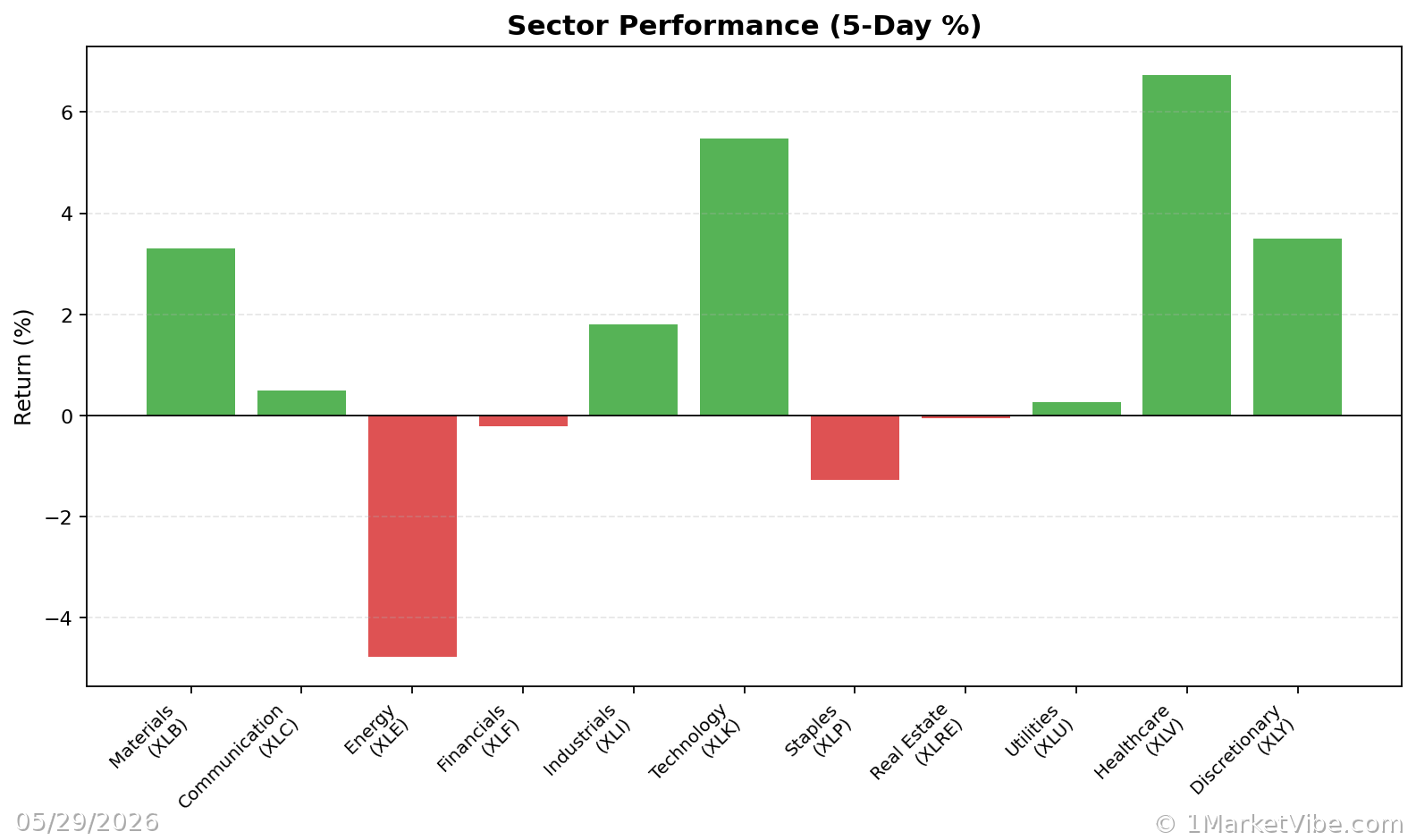
Sector-Specific Adjustments: Pay attention to sectors most affected by Chinese competition, such as electronics and automotive. Consider reducing exposure or implementing hedging strategies if these sectors show signs of increased volatility or competitive pressure.
Use Market Dashboard: Leverage MarketVibe's Decision Edge dashboard to gain a comprehensive view of market conditions. This tool can help you identify trends in breadth, volatility, and leadership, providing a high-level regime label to guide your risk posture.
Common Misuses & Misconceptions
Traders often misuse market metrics by:
Treating Metrics as Stand-Alone Signals: Avoid using metrics like the CWI as sole indicators for entry or exit decisions. Instead, integrate them into a broader analysis of market conditions.
Ignoring Context: Consider the broader context, including sector rotation and geopolitical developments, when interpreting market metrics. A metric's significance can vary depending on the prevailing market environment.
Overreacting to Short-Term Changes: Resist the temptation to make hasty decisions based on one-day metric fluctuations. Focus on longer-term trends and patterns for more reliable insights.
To see these breadth and risk metrics in one place each day, you can use the Decision Edge dashboard at 1marketvibe.com.
DISCLAIMER: The information provided in this article is for educational purposes only and should not be considered as financial advice. Market conditions can change rapidly, and past performance is not indicative of future results. Always conduct your own research and consult with a financial advisor before making investment decisions.