

China's Home Price Decline Indicates Global Market Changes
- Authors

- Name
- MarketVibe Team
- @1marketvibe
China's Home Price Decline Indicates Global Market Changes
China's ongoing home price decline is more than just a domestic issue; it has significant implications for global markets. Understanding this trend can help traders make informed decisions about their portfolios, especially in light of MarketVibe's Crash Warning Index (CWI) and other key indicators. In this article, we'll explore how China's real estate market affects global economic dynamics and how traders can use MarketVibe's tools to navigate these changes.
Current State of China's Home Prices
China's real estate market has been experiencing a persistent slump. As of November 2025, home prices have continued to decline, marking a prolonged downturn that has lasted several years. This trend is significant because real estate is a major component of China's economy, contributing to both domestic consumption and investment. The severity of the downturn is underscored by statistics showing a consistent drop in home prices over the past few months.
Impact on Retail Sales
The decline in home prices has a ripple effect on other sectors, particularly retail sales. Recent data indicates that China's retail sales have grown at the weakest pace since the Covid-19 pandemic. This slowdown in consumer spending reflects broader economic challenges and highlights the interconnectedness of real estate and consumer markets.
Government Response
In response to the housing market slump, Chinese policymakers have promised to stabilize the market. However, the effectiveness of these measures remains uncertain. While some initiatives aim to boost demand and support property developers, the overall impact on reversing the downward trend in home prices has been limited.
Global Market Implications
China's real estate issues are not isolated; they have the potential to affect global markets. As one of the world's largest economies, China's economic health influences investor sentiment and market stability worldwide. A prolonged downturn in its real estate market could lead to shifts in global investment flows and increased volatility.
CW Index Insights
MarketVibe's Crash Warning Index (CWI) provides valuable insights into these developments. The current CWI reading is 5.89, indicating elevated risk levels. The CWI is a composite index that evaluates several risk dimensions, including market breadth, volatility, and defensive behavior. It serves as an early warning system, typically offering a 4-6 week lead time before significant market corrections.
When the CWI is above 6, it suggests heightened risk and the potential for market corrections. In the context of China's real estate slump, the current CWI level underscores the need for caution among traders.
Risks and Considerations
Investors and market analysts should be aware of the risks associated with the ongoing slump in China's housing market. These include potential disruptions to global supply chains, shifts in commodity prices, and changes in currency valuations. Additionally, the interconnected nature of global markets means that instability in one region can quickly spread to others.
Real-World Scenarios
Scenario 1: Topping Environment
Imagine a scenario where global indices are reaching new highs, but the breadth of the market is deteriorating. In this case, the % Above 50-DMA metric might show a declining number of stocks trading above their 50-day moving averages, even as indices climb. This divergence could be a signal of a topping environment, where the market is vulnerable to a correction. Traders might be tempted to chase the rally, but a more informed view would emphasize caution and risk management.
Scenario 2: Volatility Spike
In another scenario, a sudden increase in geopolitical tensions could lead to a spike in volatility. The ATR% (Average True Range as a percentage of price) might jump, indicating a shift to a more volatile regime. During such times, the CWI could accelerate, reflecting increased risk. Traders should consider adjusting their risk exposure and possibly implementing hedging strategies to protect their portfolios.
Scenario 3: Broadening Bull Leg
Conversely, a scenario where % Above 50-DMA surges and remains elevated could indicate the start of a strong new bull leg. In this case, breadth and leadership are broadening, suggesting a healthier market environment. Traders can be more open to adding exposure, provided their setups align with the broader market trend.
How to Use This Insight in a Process
To effectively incorporate these insights into a trading process, consider the following guidelines:
- Emphasize Defense: When breadth is weak and the CWI is high, prioritize defensive strategies and reduce new risk exposure.
- Broaden Exposure: If breadth and leadership are expanding, be open to increasing exposure, but only if your specific trading setups are favorable.
- Use the Market Dashboard: Leverage MarketVibe's Decision Edge dashboard to get a high-level view of market regimes and confirm insights with internal metrics.
Common Misuses & Misconceptions
Traders often misuse metrics like the CWI by:
- Treating it as a Stand-Alone Signal: The CWI should not be used in isolation as an entry or exit signal. It's a tool for assessing risk posture.
- Ignoring Context: Always consider the broader market context, including sector rotation and time frames, when interpreting metrics.
- Overreacting to Daily Changes: Avoid making hasty decisions based on one-day metric movements. Look for sustained trends and corroborating signals.
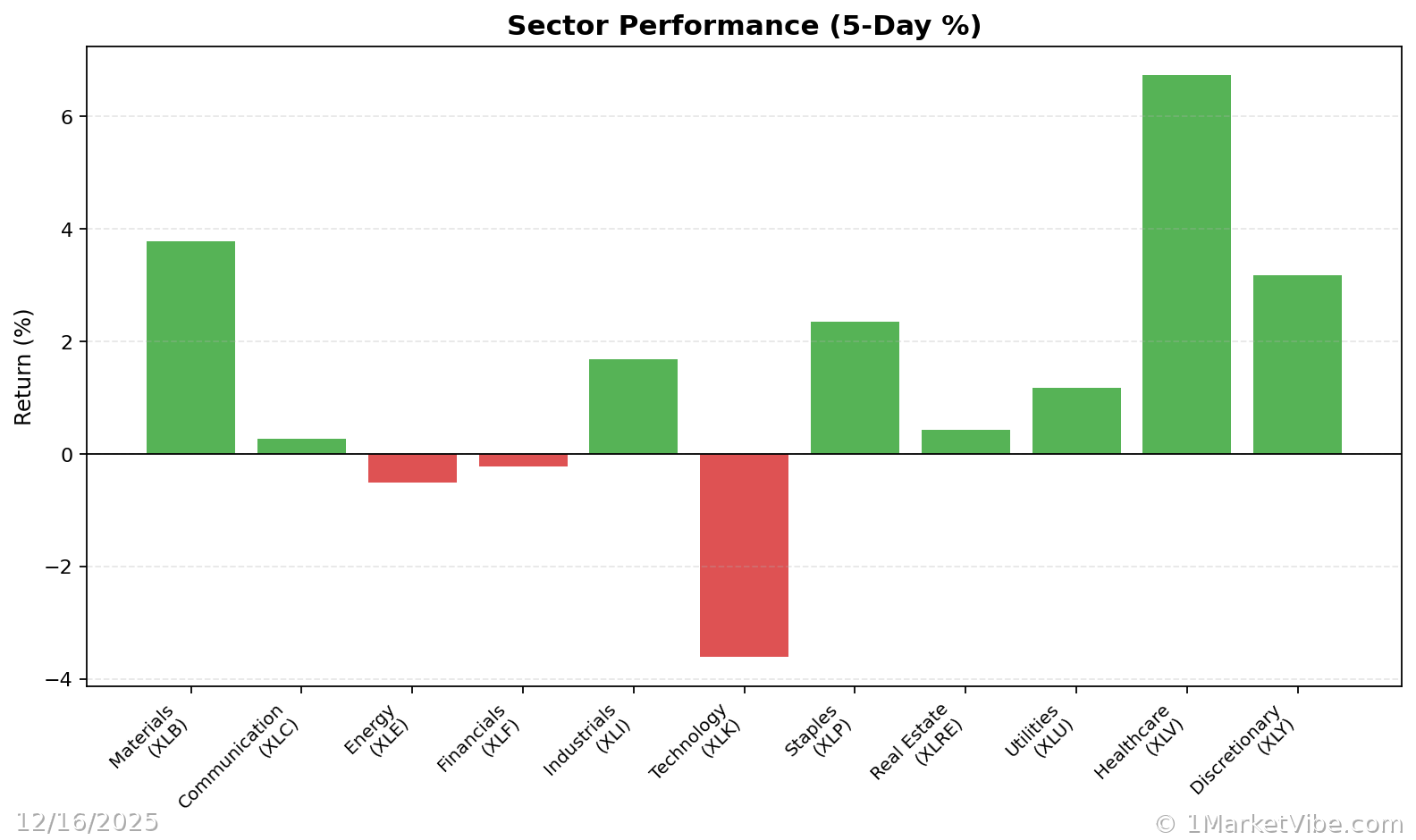
To see these breadth and risk metrics in one place each day, you can use the Decision Edge dashboard at 1marketvibe.com.
Disclaimer: This article is for informational purposes only and should not be considered financial advice. Market conditions can change rapidly, and past performance is not indicative of future results.